Elevate your local knowledge
Sign up for the iNFOnews newsletter today!
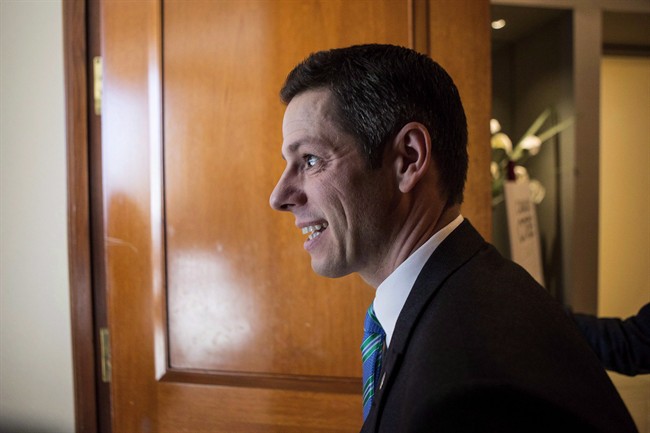
WINNIPEG – A two-day conference cannot put an end to racism in Winnipeg and may not undo the accusation that it is the most racist city in Canada, Mayor Brian Bowman said Friday.
But it is a starting point to help make the city a more inclusive place, he said in his closing remarks.
“This is a long-haul journey that we’re on here. I think that’s been really impressed upon me,” he said.
“One of the big takeaways for me is a reaffirmation of how much people give a damn. You’re all here. You’ve been sitting here all day … that really does embolden us to continue down the path we’re on.”
Bowman organized the Mayor’s National Summit on Racial Inclusion after Maclean’s magazine labelled Winnipeg the most racist city in Canada in a cover story earlier this year.
The meeting, held inside the Canadian Museum For Human Rights and featuring speakers from mostly local non-profit groups, heard from people who have experienced racism.
An indigenous panellist — movie producer Lisa Meeches — said her young son was called a “stupid Indian” by classmates. A Muslim woman in the audience said people look at her like she is an alien because of her hijab. There were stories of discrimination on the job.
A common theme among those in the audience was that attitudes among non-aboriginals must change and relationships must be rebuilt.
“We’ve been ‘civilized’ to death,” Darcy Linklater said.
“To me, true reconciliation is to take back what we lost, what was taken away from us, including our land, our language, our culture, our spiritual sovereignty, our economic sovereignty.”
The Maclean’s article touched a nerve in the city when it was published.
Many denied its accusation and pointed out there is no data that measures racism in one city over another. Bowman, who became mayor last fall, said regardless of the article’s claim, work is needed to address racism in the city.
Winnipeg, home of the country’s largest urban indigenous population, has had high-profile incidents that point to racial tension.
Brian Sinclair, an aboriginal double-amputee, died during a 34-hour wait in a Winnipeg emergency room in 2008 while many assumed he was drunk or homeless rather than someone seeking medical care.
Some have called Winnipeg the epicentre for missing and murdered aboriginal women following the death of 15-year-old Tina Fontaine, whose body was pulled from the Red River wrapped in a bag last year.
Earlier this year, a Winnipeg high school teacher made national headlines when he ranted about aboriginal people on social media, accusing them of being lazy and seeking free money from non-aboriginals.
Keith Neuman, an executive with public opinion research group Environics, said there is no empirical evidence that Winnipeg is the racism capital of Canada. He said attitudes are changing.
“The research that we’ve done with the general public demonstrates that a significant and growing majority of Canadians recognize there is racism and discrimination, particularly against Muslims and aboriginals, and this view has strengthened over the last 10 years,” Neuman said.
Bowman said he will issue a report in January on steps being taken in the wake of this week’s conference. Another such meeting will likely be held soon.
“This is a journey, but we’re in it together.”
News from © The Canadian Press, . All rights reserved.
This material may not be published, broadcast, rewritten or redistributed.

This site is protected by reCAPTCHA and the Google Privacy Policy and Terms of Service apply.
Want to share your thoughts, add context, or connect with others in your community?
You must be logged in to post a comment.