Elevate your local knowledge
Sign up for the iNFOnews newsletter today!
Sign up for the iNFOnews newsletter today!
Selecting your primary region ensures you get the stories that matter to you first.
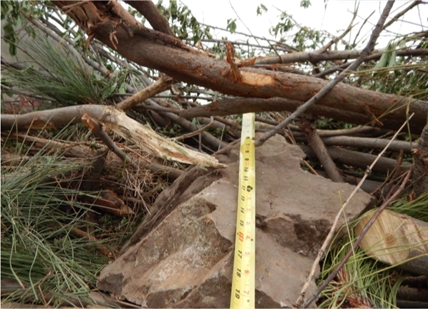
PENTICTON – Contractors are seeing big bills at local landfills due to rocks and debris in yard and wood waste. Rocks in yard and wood waste have the potential to damage wood chipping equipment. Consequences include broken blades, jammed equipment and the potential for serious injury.
Yard waste is subsidized at all landfills throughout the Regional District. Low prices encourage people not to burn. For any load of yard waste, the first 500 kg (1100 pounds) is free of charge with larger loads charged $50 a tonne.
Due to less burning, the air quality in local valleys has slowly improved. Yard and wood waste at landfills are chipped for composting, animal bedding and dust control at landfills.
Recently several loads of yard waste have been brought to local landfills containing rocks. Due to safety concerns the haulers were fined extra fees. The cost to customers went from hundreds of dollars to over a thousand dollars per load.
Don Hamilton, RDOS Solid Waste Facilities Supervisor, advises property owners be careful when land clearing.
“We’re seeing heavy equipment operators scrape rocks into loads of yard waste to save time,” Hamilton says. “This puts people at our landfill at risk of serious harm if they don’t see stones or rocks when chipping. People could be seriously hurt if rocks hit these powerful moving blades. Ensuring heavy equipment operators keep rocks and other debris out of yard and wood waste will save their customers money.”
Residents with any questions on landfill fees can call the Regional District Solid Waste group at 250-490-4129.
News from © iNFOnews.ca, . All rights reserved.
This material may not be published, broadcast, rewritten or redistributed.

This site is protected by reCAPTCHA and the Google Privacy Policy and Terms of Service apply.
Want to share your thoughts, add context, or connect with others in your community?
You must be logged in to post a comment.