Elevate your local knowledge
Sign up for the iNFOnews newsletter today!
Sign up for the iNFOnews newsletter today!
Selecting your primary region ensures you get the stories that matter to you first.
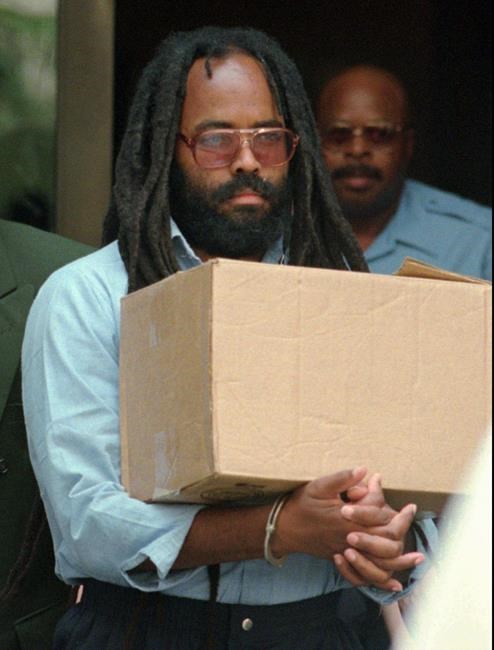
PHILADELPHIA – A federal judge in Pennsylvania has blasted a prison policy that denies former death-row inmate Mumia Abu-Jamal and others an expensive hepatitis C drug until they have advanced liver damage.
U.S. District Judge Robert Mariani said the policy amounts to “conscious disregard” for the inmates’ health, but noted that prisons, Medicaid officials and courts across the country are struggling to decide who should get the anti-viral drugs.
The judge nonetheless rejected Abu-Jamal’s bid for treatment Wednesday after concluding that the former Black Panther and radio reporter sued the wrong prison officials. His lawyers vowed to refile it to add the members of the hepatitis treatment committee who created the policy.
Experts told the judge the latest antiviral drugs are highly effective, offering cure rates as high as 90 to 95 per cent. However, the cost of the treatments can range from $50,000 to $75,000 or more. Researchers say that nearly one in five inmates in the U.S. are infected, many from sharing needles during illegal drug use.
Abu-Jamal, 62, is serving a life term for the 1981 killing of a Philadelphia police officer. His case has long been a cause celebre among supporters around the world who believe he did not get a fair trial. Abu-Jamal spent decades on death row before the death sentence was set aside on appeal.
His lawyers have since gone to court several times over the treatment of skin rashes, diabetes and other health problems.
State prison officials in Pennsylvania did not immediately return a call Thursday for comment.
Advocates for hepatitis care say the antiviral drugs, while expensive, can be cost-effective given the cure rate and the alternative cost of treating someone who develops cirrhosis or liver cancer.
But states have struggled to pay for the newly developed drugs. Pennsylvania’s interim policy provides only annual check-ups until an inmate’s liver disease advances.
State and local officials don’t have much leverage to negotiate discounts on the antiviral drugs, unlike the federal Bureau of Prisons or Veterans Administration, according to Michael Ninburg, executive director of the Hepatitis Education Project, a Seattle-based group whose work includes hepatitis policies in prisons.
“Most states are rationing it in the prison population and at the Medicaid level,” he said. “However, these (drugs) are cost-effective, and there’s growing evidence around the benefits of treating early.”
News from © The Associated Press, . All rights reserved.
This material may not be published, broadcast, rewritten or redistributed.

This site is protected by reCAPTCHA and the Google Privacy Policy and Terms of Service apply.
Want to share your thoughts, add context, or connect with others in your community?
You must be logged in to post a comment.