Elevate your local knowledge
Sign up for the iNFOnews newsletter today!
Sign up for the iNFOnews newsletter today!
Selecting your primary region ensures you get the stories that matter to you first.
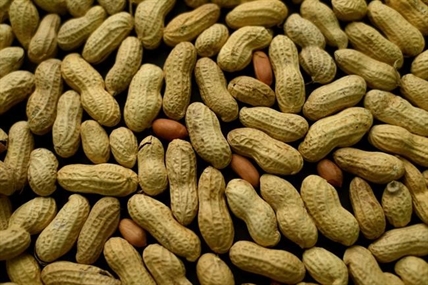
WASHINGTON – A wearable skin patch may help children who are allergic to peanuts by delivering small doses of peanut protein, according to a new study that calls for the therapy to be further explored.
The study, published in the Journal of Allergy and Clinical Immunology, found that nearly half of those treated with the Viaskin Peanut patch for one year were able to consumer at least 10 times more peanut protein than they were able to prior to treatment.
The biggest benefit came for those from 4 years old to 11 years old. Participants older than 12 didn't see as much of an effect, the study found.
The therapy works by training the immune system to tolerate small amounts of peanuts, said Dr. Daniel Rotrosen, of the National Institute of Allergy and Infectious Diseases, part of the National Institutes of Health, which is funding the ongoing clinical trial.
"Other recent advances have relied on an oral route that appears difficult for approximately 10 to 15 per cent of children and adults to tolerate," Rotrosen said.
While the trial found the immunotherapy treatment to be "potentially effective," it cautioned that the study is limited. Further investigation is needed to find out if "the modest clinical changes noted will be enhanced after a longer duration of therapy," the study said.
Those long-term results should be available in the future because the trial is continuing.
The Viaskin Peanut patch hasn't been approved by the Food and Drug Administration.
News from © iNFOnews.ca, . All rights reserved.
This material may not be published, broadcast, rewritten or redistributed.

This site is protected by reCAPTCHA and the Google Privacy Policy and Terms of Service apply.
Want to share your thoughts, add context, or connect with others in your community?
You must be logged in to post a comment.