Elevate your local knowledge
Sign up for the iNFOnews newsletter today!
Sign up for the iNFOnews newsletter today!
Selecting your primary region ensures you get the stories that matter to you first.
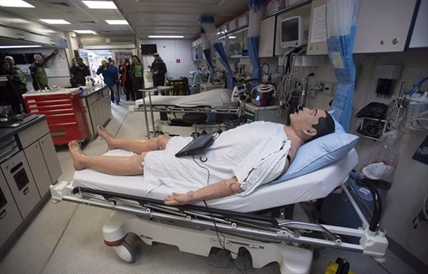
VANCOUVER – More overdose prevention sites are opening around British Columbia as health officials try to contain a growing overdose crisis.
Vancouver Coastal Health said Friday it has opened its fifth site in a modified first-aid trailer in the troubled Downtown Eastside, replacing a pop-up tent that had been operating since September.
Sarah Blyth, a former mental-health worker, said she launched the unsanctioned facility because she couldn't stand by and watch as people overdosed.
"We are grateful for a warm, dry place, both for our volunteers and clients," Blyth, who is the new site's co-ordinator, said in a government news release about the small trailer set up in the heart of the Downtown Eastside, the neighbourhood where six people died in one day earlier this month.
Teams of trained staff at the five Vancouver sites are providing people who use illicit drugs with a safe space to be monitored while they take their drugs. Staff are equipped with naloxone and are trained in overdose response.
Dr. Mark Lysyshyn, Vancouver Coastal Health's medical health officer, says the staff and volunteers at the prevention sites are saving lives.
"We want to make sure we put overdose response and treatment services where people need them."
To date, no one has died at the overdose prevention sites, he said.
Two overdose prevention sites operated by a local social-services organization have opened in Kamloops and the executive director of the group said about 100 people a day already use the facilities.
Bob Hughes of ASK Wellness said staff are trying to use the contact with those who come in to offer additional help, "to be able to ask deeper, more meaningful questions about their current addictions issues, and the options they thought of in terms of getting off of street-level opioids."
He said one of the sites successfully handled four overdoses over the Christmas weekend.
In Nanaimo, an unsanctioned overdose prevention site that opened Boxing Day in the parking lot of city hall led to the building's closure on Thursday and Friday after unionized workers raised concerns about safety.
But Coun. Gord Fuller, who supports the site, said people have been using drugs in a field next to city hall for years and it's no more dangerous than them using in the nearby parking lot under a watchful eye.
"To say there's a safety issue now and there wasn't 10 years ago is ludicrous," he said.
Tracy Samra, the city's chief administrator officer, said the RCMP, fire inspectors and bylaw staff are monitoring the site.
She said they tried to call a special meeting of council to make some decisions about the unsanctioned operation, but only three of nine council members were able to attend and they didn't have quorum.
The B.C. government declared a public-health emergency in April as illicit drug overdoses soared.
The number of overdose deaths decreased slightly after the declaration, but began increasing again in September and peaked at 128 deaths in November, the highest death toll recorded in a month in the province.
There were 755 overdose deaths in B.C. in the first 11 months of the year, a 70-per-cent increase over the same period last year.
News from © iNFOnews.ca, . All rights reserved.
This material may not be published, broadcast, rewritten or redistributed.

This site is protected by reCAPTCHA and the Google Privacy Policy and Terms of Service apply.
Want to share your thoughts, add context, or connect with others in your community?
You must be logged in to post a comment.