Elevate your local knowledge
Sign up for the iNFOnews newsletter today!
TORONTO – One of the key selling features of the new BlackBerry smartphones will soon be available on phones made by its major competitors.
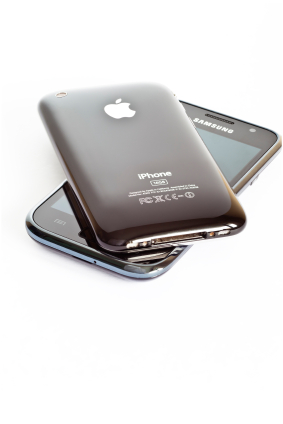
The company (TSX:BB), which formerly called itself Research In Motion, said Thursday the technology that allow users to operate their BlackBerry as both a business and personal device entirely separate from each other is headed to both Apple’s iPhone and the Android operating system.
The version of BlackBerry Balance for other phones will be called Secure Work Space when it’s launched in the coming months.
The technology has widely been promoted by BlackBerry as one of the most appealing features exclusively available on its new devices. The touchscreen version of the latest phone hit Canadian stores in February and is rolling out in the U.S. this month, while a keypad version is expected sometime this spring.
“We’re extending as many of these features as possible to other platforms, critical in today’s bring-your-own-device world,” said David Smith, executive vice president of BlackBerry mobile computing operations.
The latest announcement is another sign that BlackBerry is moving away from features that are exclusive to its own smartphones.
Earlier this year, the Waterloo, Ont.-based company opened up the availability of its secure enterprise service for IT professionals to give them the flexibility to accommodate a growing trend of bringing your own device to the workplace, in particular the iPhone and Samsung’s Galaxy S3 phone, which uses the Android system.
The move was made as competition heats up for the highly lucrative corporate smartphone market, which has largely been a stronghold for BlackBerry for years.
Now, other players in the industry are making their own plans.
Samsung is expected to showcase its new phone on Thursday evening, and will likely unveil more details about its plans to appeal to business users, who are a highly lucrative and loyal segment of the smartphone market.
BlackBerry has been busy trying to keep its stronghold by holding events around the world to showcase their new phones to business consumers.
On Wednesday, BlackBerry announced it has sold one million of the new devices to an “established partner” it declined to name. It was the first time the company had provided any sort of sales figures since the phones launched.
In a note published on Thursday, BMO Capital Markets analyst Tim Long addressed the ambiguity around the recent announcement.
“We do not know who placed this order, nor do we know the timeframe. We believe it is most likely a distributor, but it could also be a large U.S. carrier,” Long wrote.
“In our view, most of these (recent sales) statements are vague, and lack the detail needed to determine if the Z10 has been successful. We believe that, if viewed in a proper context, these statements do not imply any substantially positive news for the company.”
Analysts have been divided over the specifics of the sales of the BlackBerry Z10 touchscreen phone since it launched, some citing anecdotal evidence that some stores in the U.K. sold out of the devices, while others refuted those claims.
Chief executive Thorsten Heins has said the new BlackBerry Z10 touchscreen phone is selling better than the company expected, while Canadian carrier Bell (TSX:BCE) said last month that pre-orders broke its previous records for BlackBerry.
Three major U.S. carriers have also announced they will stock the device by the end of this month, including AT&T, Verizon Wireless and T-Mobile, which only has plans to supply it to business users at this point.
On Thursday, RBC Capital Markets analyst Mark Sue boosted his fourth-quarter expectations for BlackBerry shipments to 500,000 units from 350,000.
He noted that sales of the device “appears to be slowing in Canada and the U.K. from launch-week highs, this is normal, and U.S. demand is still too early to quantify.”
News from © The Canadian Press, . All rights reserved.
This material may not be published, broadcast, rewritten or redistributed.

This site is protected by reCAPTCHA and the Google Privacy Policy and Terms of Service apply.
Want to share your thoughts, add context, or connect with others in your community?
You must be logged in to post a comment.