Elevate your local knowledge
Sign up for the iNFOnews newsletter today!
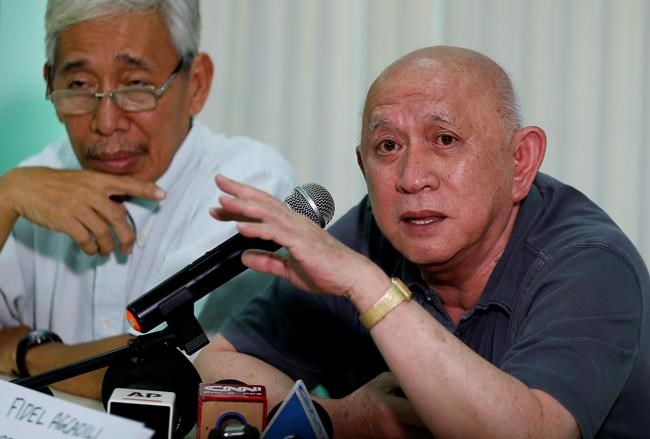
MANILA, Philippines – Philippine communist rebels said Thursday that long-stalled peace talks could be resumed with the government of incoming President Rodrigo Duterte as early as July, and that they will demand an end to the U.S. military presence in the country.
Rebel negotiator Fidel Agcaoili told a rare news conference in Manila that the demand “is non-negotiable.” He said government and rebel negotiators are preparing to meet in Europe this month to discuss the resumption of talks, which have been stalled for years.
Duterte, who takes office June 30, has offered two Cabinet posts to allies of the rebels, who in turn have freed kidnapped policemen to encourage the resumption of talks.
“We have always stood on the basis of principled self-respect and national sovereignty,” Agcaoili said. “We cannot allow the presence of U.S. military bases here.”
The rebels, he said, would also negotiate an end to two Philippine security pacts with the United States, including the 1999 Visiting Forces Agreement, which allowed American forces to return to the Philippines for largescale combat exercises nearly a decade after the closure of sprawling U.S. military bases in the country.
Another pact, the 2014 Enhanced Defence Cooperation Agreement, grants American forces, warships and fighter jets access to five Philippine military camps.
The accords have helped the U.S. reassert its presence in Asia, which dovetails with Philippine hopes for American help in countering China’s increasingly assertive claims to areas of the South China Sea also claimed by the Philippines.
Agcaoili said the rebels’ demands also include a land reform program that would free farmers from decades of poverty and a national industrialization effort that is not dependent on Western governments or multinational corporations.
Duterte said earlier this week that he will chart an independent foreign policy for the Philippines “and will not be dependent on the United States,” the country’s longtime treaty ally.
In another sign of rapport between Duterte and the rebels, Communist Party of the Philippines founder Jose Maria Sison said in a video conference with Manila-based journalists on Thursday that he will return to the Philippines soon to meet Duterte, his former political science student at a local university.
Sison, 77, was detained during the dictatorship of Ferdinand Marcos but was freed by then President Corazon Aquino after Marcos’ 1986 ouster. Sison later went into self-exile with other rebel leaders in the Netherlands.
Duterte, who has described himself as left-leaning, “is still unfolding,” Agcaoili said.
“The fact is, there is ground for guarded optimism,” Agcaoili said.
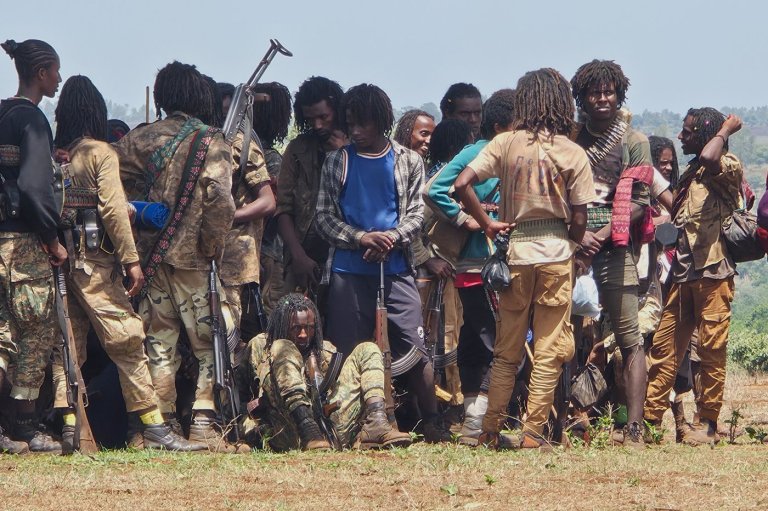
The rebels have been fighting for a Marxist state since 1969 in one of Asia’s longest-running insurgencies. They have accused successive Philippine administrations of subservience to U.S. interests and failing to ease poverty. Their numbers have dwindled to a few thousand amid battle setbacks, surrenders and factionalism, although they remain the country’s foremost security concern.
Norwegian-brokered peace talks stalled early in outgoing President Benigno Aquino III’s six-year term because of a dispute over the release of several rebels.
News from © The Associated Press, . All rights reserved.
This material may not be published, broadcast, rewritten or redistributed.

This site is protected by reCAPTCHA and the Google Privacy Policy and Terms of Service apply.
Want to share your thoughts, add context, or connect with others in your community?
You must be logged in to post a comment.