Elevate your local knowledge
Sign up for the iNFOnews newsletter today!
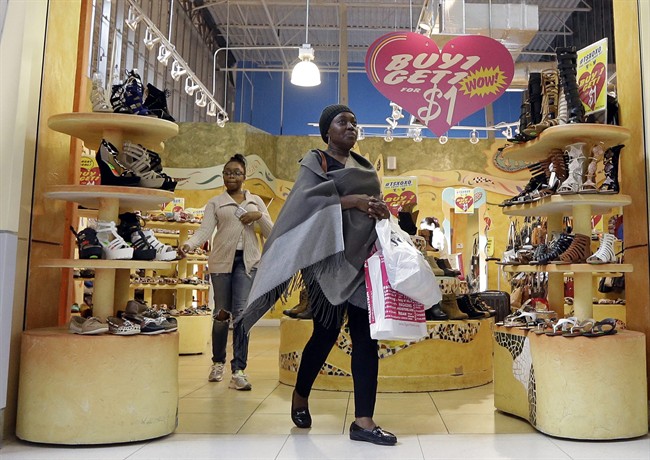
WASHINGTON – U.S. consumer prices fell in February, dragged by another steep drop in energy prices. However, core inflation managed to tick higher, led by the biggest jump in clothing costs in seven years.
Consumer prices edged down 0.2 per cent last month after no change in January and a small decline in December, the Labor Department reported Wednesday.
Core inflation, which excludes the volatile categories of food and energy, rose 0.3 per cent following a similar 0.3 per cent rise in January.
Over the past 12 months, overall inflation is up a modest 1 per cent. But core inflation is up 2.3 per cent, the biggest 12-month gain since May 2012.
The Federal Reserve is closely watching inflation, which has been stuck at low levels, to determine when to raise interest rates further. The 12-month rise in core prices is above the Fed’s target for annual price increases of 2 per cent. However, the modest 1 per cent overall price gain over the past year is still well below the Fed target.
Steve Murphy, U.S. economist for Capital Economics, said the rise in core inflation suggests that the Fed will soon need to start raising rates to keep inflation from climbing too quickly.
“A faster than anticipated rise in core inflation will force the Fed to raise interest rates faster than the markets expect,” Murphy said. “We think the Fed will resume tightening in June.”
The Fed boosted its key policy rate by a quarter-point in December, the first increase in nearly a decade. But it left rates unchanged in January.
Analysts expect no change later Wednesday after the Fed wraps up its two-day policy meeting. Many economists believe policymakers will also pass up a chance to raise rates in April but will move rates up by a quarter-point in June and another quarter-point in December.
For February, energy prices dropped 6 per cent, led by a 13 per cent plunge in gasoline pump prices, the fourth consecutive month they have declined.
Food costs rose a modest 0.2 per cent in February and are up just 0.9 per cent over the past year.
Outside of food and energy, the 0.3 per cent rise in core inflation was led by a 1.6 per cent jump in clothing costs, the largest increase since February 2009.
Medical care was up 0.6 per cent, with the index for prescription drugs rising 0.9 per cent and hospital care up 0.5 per cent.
News from © The Associated Press, . All rights reserved.
This material may not be published, broadcast, rewritten or redistributed.

This site is protected by reCAPTCHA and the Google Privacy Policy and Terms of Service apply.
Want to share your thoughts, add context, or connect with others in your community?
You must be logged in to post a comment.