Elevate your local knowledge
Sign up for the iNFOnews newsletter today!
Sign up for the iNFOnews newsletter today!
Selecting your primary region ensures you get the stories that matter to you first.
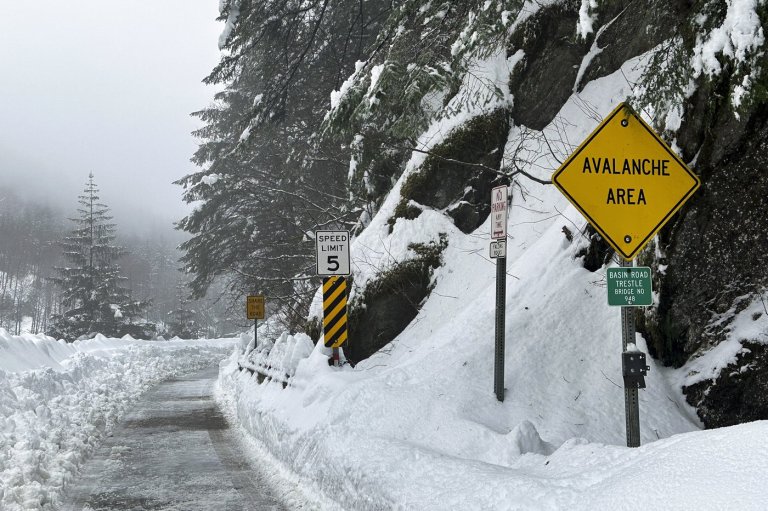
BANFF, Alta. – The North American public avalanche danger scale is determined by the likelihood, size and distribution of avalanches.
Here’s an explanation of each level:
Extreme: Avoid all avalanche terrain. Natural and human-triggered avalanches certain. Large to very large avalanches in many areas.
High: Very dangerous avalanche conditions. Travel in avalanche terrain not recommended. Natural avalanches likely; human-triggered avalanches very likely. Large avalanches in many areas, or very large avalanches in specific areas.
Considerable: Dangerous avalanche conditions. Careful snowpack evaluation, cautious route-finding and conservative decision-making essential. Natural avalanches possible; human-triggered avalanches likely. Small avalanches in many areas, or large avalanches in specific areas, or very large avalanches in isolated areas.
Moderate: Heightened avalanche conditions on specific terrain features. Evaluate snow and terrain carefully; identify features of concern. Natural avalanches unlikely; human-triggered avalanches possible. Small avalanches in specific areas, or large avalanches in isolated areas.
Low: Generally safe conditions. Watch for unstable snow on isolated terrain features. Natural and human-triggered avalanches unlikely. Small avalanches in isolated areas or extreme terrain.
Source: Parks Canada
News from © iNFOnews.ca, . All rights reserved.
This material may not be published, broadcast, rewritten or redistributed.

This site is protected by reCAPTCHA and the Google Privacy Policy and Terms of Service apply.
Want to share your thoughts, add context, or connect with others in your community?
You must be logged in to post a comment.