Elevate your local knowledge
Sign up for the iNFOnews newsletter today!
Sign up for the iNFOnews newsletter today!
Selecting your primary region ensures you get the stories that matter to you first.
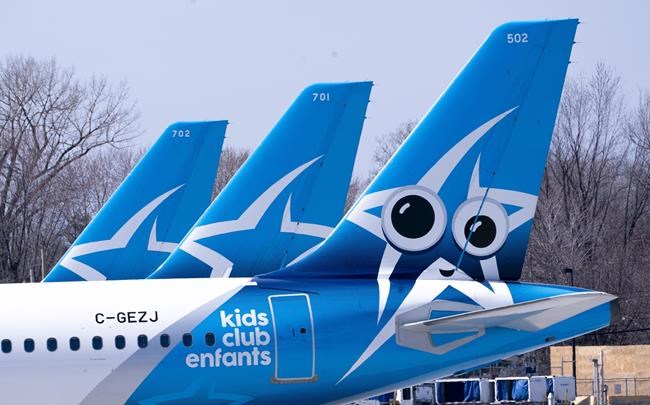
MONTREAL – Air Transat is looking to reduce greenhouse gas emissions from its airplanes by using jet fuel made from kerosene in a process that captures carbon dioxide produced by large industrial emitters.
The Montreal-based airline has signed an agreement with SAF+ Consortium, which is finalizing the fabrication of a pilot plant in Montreal to make the kerosene.
The kerosene is then converted to synthetic jet fuel which is estimated to have an 80 per cent lower carbon footprint than conventional jet fuel.
Air Transat says it will buy a significant portion of the future sustainable aviation fuel (SAF) production.
Airline president Jean-Francois Lemay says the airline is committed to offering passengers a low carbon footprint travelling experience while achieving its environmental obligations.
SAF + Consortium chief technical officer, Alexandru Iordan, says demand for sustainable aviation fuel will almost double annually for the next 30 years.
“So, solutions such as the production of SAF in Montreal will put Quebec-Canada on the map while providing great jobs for the future,” said Iordan.
This report by The Canadian Press was first published July 8, 2020.
Companies in this story: (TSX:TRZ)
News from © iNFOnews.ca, . All rights reserved.
This material may not be published, broadcast, rewritten or redistributed.

This site is protected by reCAPTCHA and the Google Privacy Policy and Terms of Service apply.
Want to share your thoughts, add context, or connect with others in your community?
You must be logged in to post a comment.