Elevate your local knowledge
Sign up for the iNFOnews newsletter today!
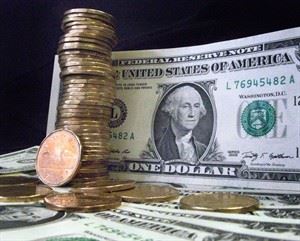
TORONTO – The Canadian dollar was higher Thursday amid rising commodities and ahead of the release of key data from the Bank of Canada.
The loonie was up 0.43 of a cent to 98.35 cents US on broad weakness in the American currency.
The Bank of Canada’s semi-annual Financial System Review will be released mid-morning and it will be carefully scrutinized for indications of when the bank might raise interest rates.
“The key risk to watch is Canadian household debt,” said BMO Capital Markets senior economist Benjamin Reitzes.
“While the report likely reflects the views of the Bank as a whole, this could be an opportunity for Governor Stephen Poloz to hint that policymakers are less concerned about debt. Indeed, if the debt risk is downgraded, it suggests the Bank may be prepared to drop its mild tightening bias or at least be one step closer to its removal.”
Meanwhile, the World Bank lowered its global economic-growth forecast, saying it expects expansion of only 2.2 per cent this year, down from a 2.4 per cent projection issued in January.
In its semiannual Global Economic Prospects report, the Bank also revised lower its expectations for growth in China, Brazil and India. At the same time, it upped growth estimates for Japan and the U.S.
Commodity prices were lower with July crude on the New York Mercantile Exchange down 68 cents to US$95.20 a barrel.
August bullion on the Nymex fell $10.90 to US$1,381.10 an ounce while July copper lost two cents to US$3.20.
Financial markets were unsettled overnight with Tokyo’s Nikkei stock index tumbling 6.4 per cent while the Japanese yen strengthened 1.8 per cent against the U.S. dollar .
Japanese media reports are saying overseas hedge funds may be dumping the country’s equities following disappointment over the Bank of Japan’s decision earlier in the week to refrain from additional monetary easing measures.
In April, the Bank of Japan announced a massive stimulus in an attempt to get inflation up to two per cent. The euphoria that drove the Nikkei up to five-year highs but has since seen wild fluctuations and the index is now around 20 per cent down from its May 23 peak, leaving the market in bear market territory.
On the economic front, U.S. retail sales increased 0.6 per cent in May from April. That’s up from a 0.1 per cent gain the previous month.
The April gain was led by a 1.8 percent jump in auto sales, the biggest increase in six months.
And the number of Americans seeking unemployment benefits dropped 12,000 to a seasonally adjusted 334,000 last week, a hopeful sign that steady job gains will continue.
News from © The Canadian Press, . All rights reserved.
This material may not be published, broadcast, rewritten or redistributed.

This site is protected by reCAPTCHA and the Google Privacy Policy and Terms of Service apply.
Want to share your thoughts, add context, or connect with others in your community?
You must be logged in to post a comment.