Elevate your local knowledge
Sign up for the iNFOnews newsletter today!
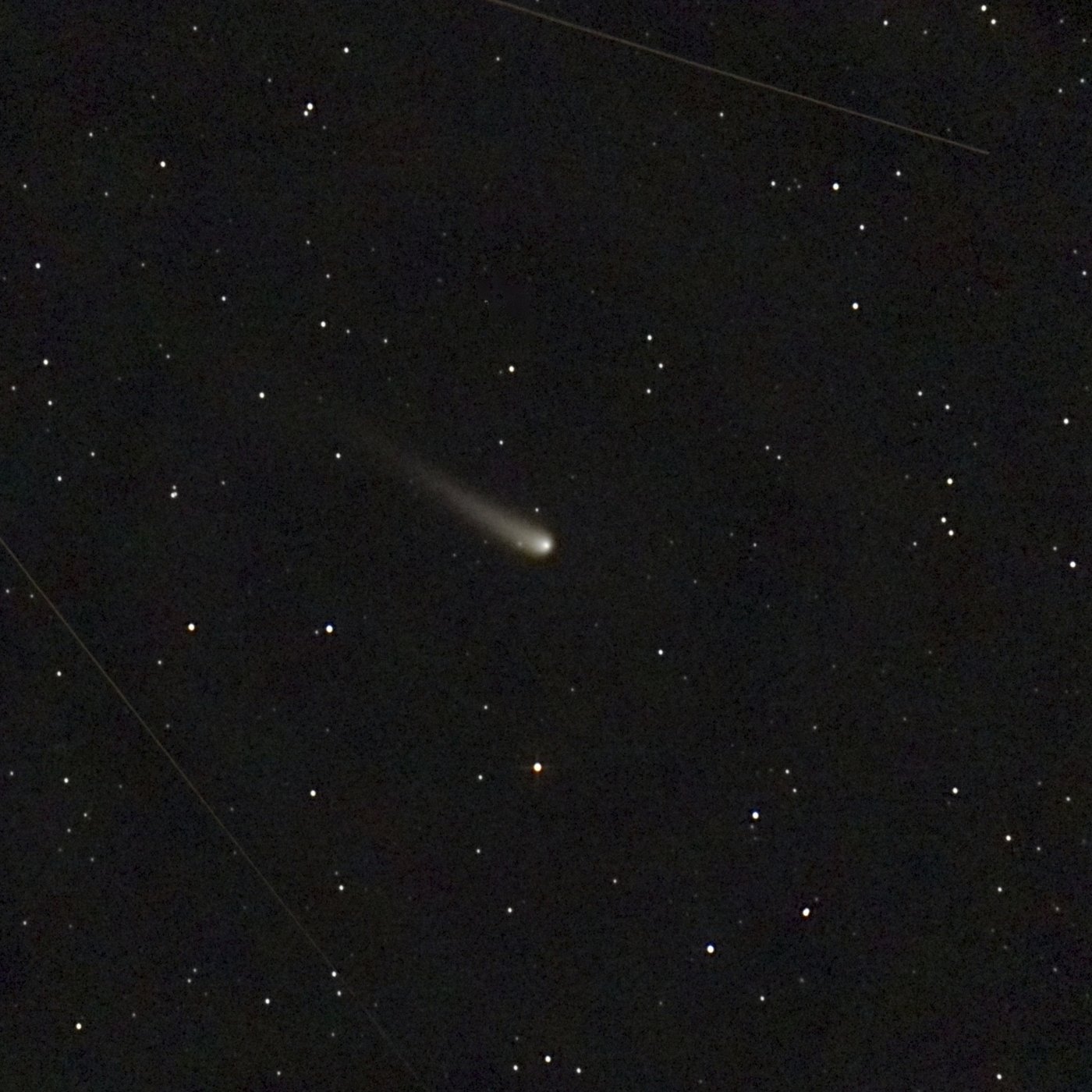
NEW YORK (AP) — Prepare to spot a rare, bright comet.
The space rock is slinging toward Earth from the outer reaches of the solar system and will make its closest pass on Saturday. It should be visible through the end of October, clear skies permitting.
Comet Tsuchinshan-Atlas should be bright enough to see with the naked eye, but binoculars and telescopes will give a better view.
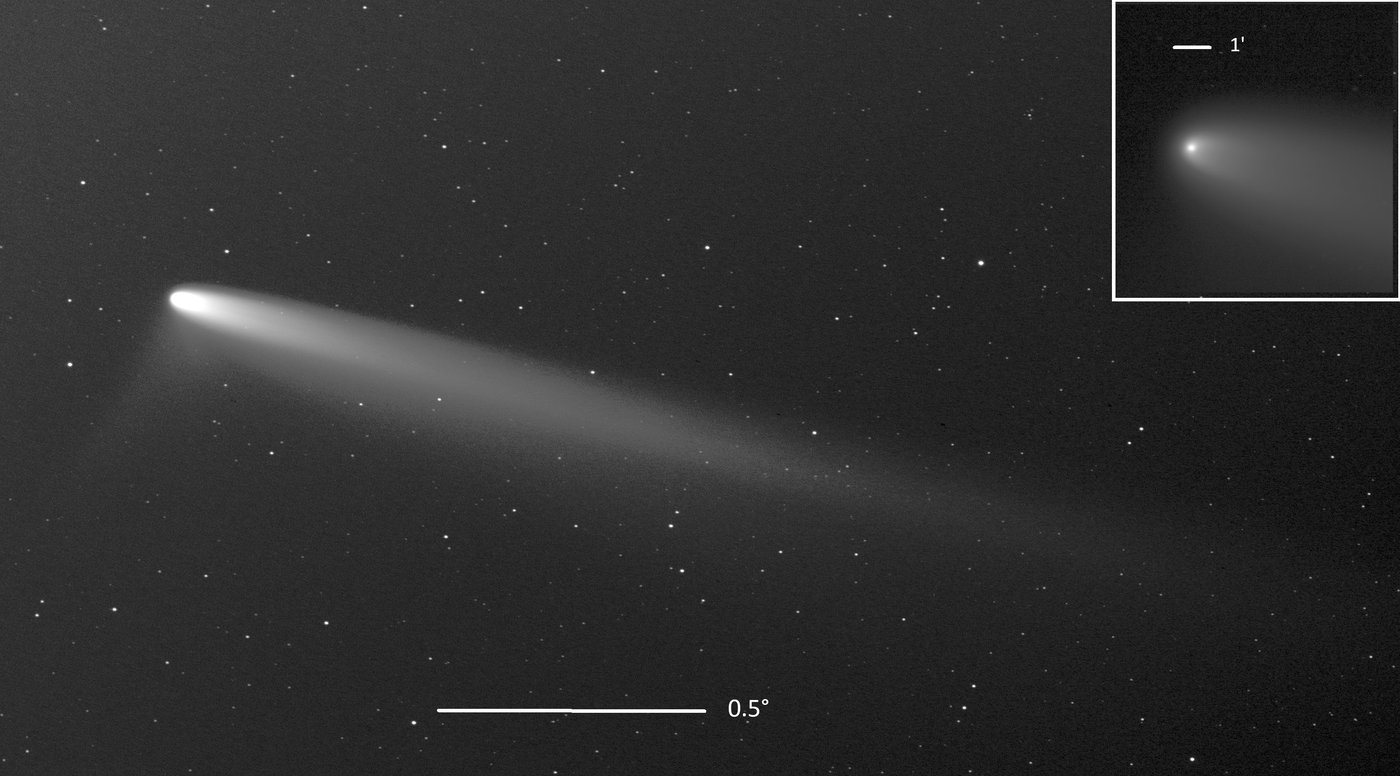
“It’ll be this fuzzy circle with a long tail stretching away from it,” said Sally Brummel, planetarium manager at the Bell Museum in Minnesota.
What is a comet?
Comets are frozen leftovers from the solar system’s formation billions of years ago. They heat up as they swing toward the sun, releasing their characteristic streaming tails.
In 2023, a green comet that last visited Earth 50,000 years ago zoomed by the planet again. Other notable flybys included Neowise in 2020, and Hale-Bopp and Hyakutake in the mid to late 1990s.
Where did comet Tsuchinshan-Atlas come from?
The comet, also designated C/2023 A3, was discovered last year and is named for the observatories in China and South Africa that spied it.
It came from what’s known as the Oort Cloud well beyond Pluto. After making its closest approach about 44 million miles (71 million kilometers) of Earth, it won’t return for another 80,000 years — assuming it survives the trip.
Several comets are discovered every year, but many burn up near the sun or linger too far away to be visible without special equipment, according to Larry Denneau, a lead researcher with the Atlas telescope that helped discover the comet.
How to view the comet
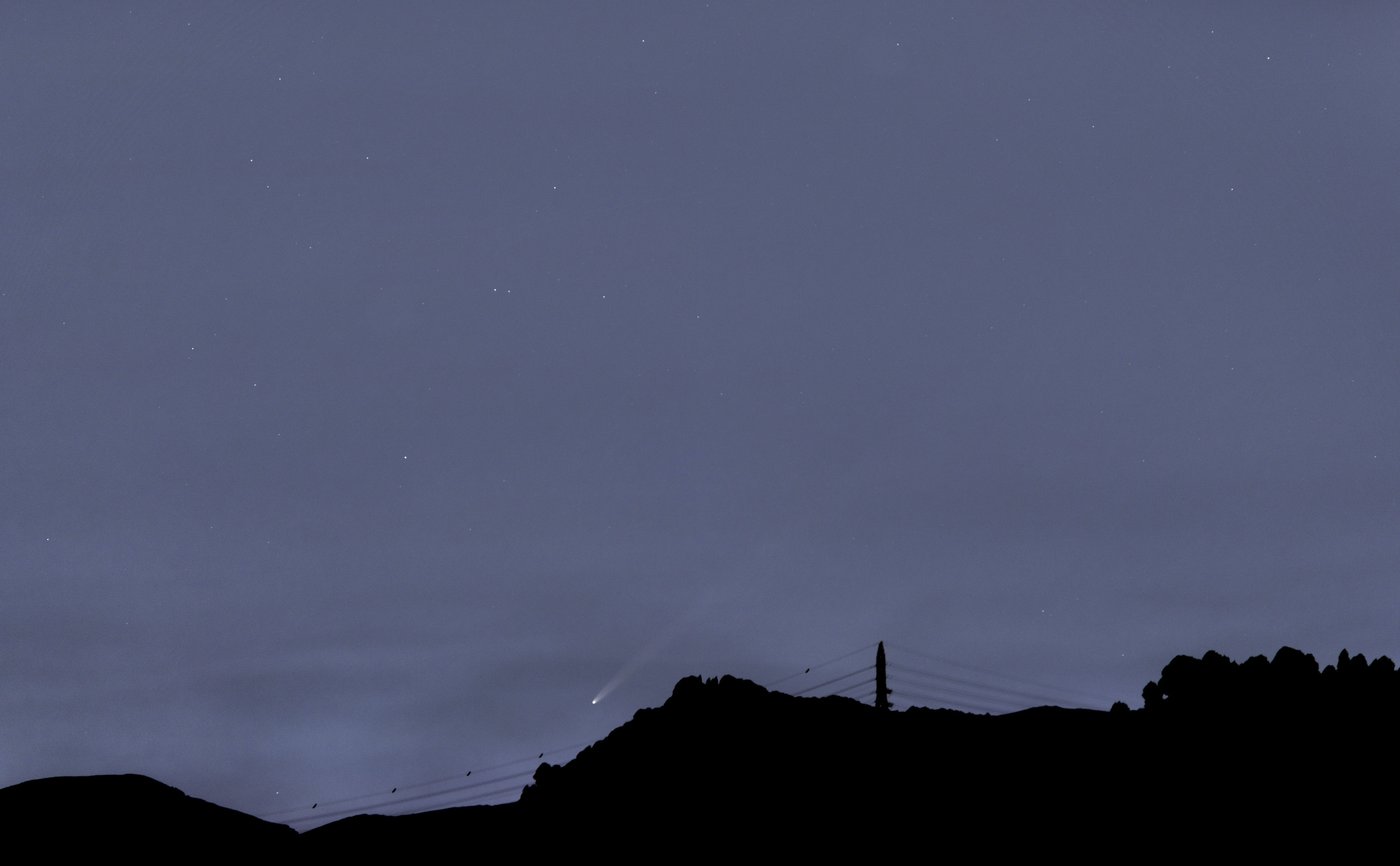
Those hoping to spot comet Tsuchinshan-Atlas should venture outside about an hour after sunset on a clear night and look to the west.
The comet should be visible from both the northern and southern hemispheres.
___
The Associated Press Health and Science Department receives support from the Howard Hughes Medical Institute’s Science and Educational Media Group. The AP is solely responsible for all content.
News from © The Associated Press, . All rights reserved.
This material may not be published, broadcast, rewritten or redistributed.

This site is protected by reCAPTCHA and the Google Privacy Policy and Terms of Service apply.
Want to share your thoughts, add context, or connect with others in your community?
You must be logged in to post a comment.