Elevate your local knowledge
Sign up for the iNFOnews newsletter today!
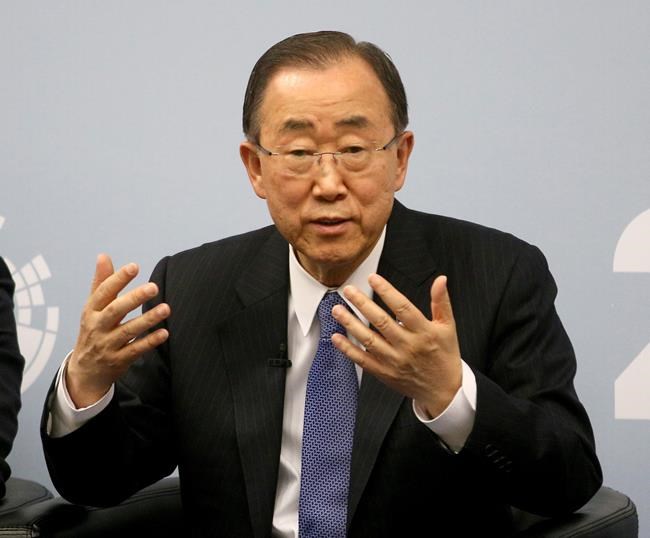
VIENNA – Warning of “growing xenophobia,” U.N. Secretary-General Ban ki-Moon on Thursday criticized increasing restrictions on safe haven for refugees in Europe, saying they tarnish commitments to international law.
Ban did not name any country in his speech to Austria’s lower house of parliament. But considering the venue, his comments appeared to allude at least in part to ongoing Austrian moves to tighten and reduce the entry of migrants.
The upper house is scheduled later in the day to vote into effect a law that would allow authorities to stop accepting asylum requests at borders if they decide such a move is necessary to “maintain public order and … protect internal security.” Asylum-seekers would instead be turned back.
The draft law also mandates “temporary asylum” for all migrants who have applied for such status since Nov.15. They would have to leave Austria after three years if authorities determine that their home country is once again safe. If not, their status would be indefinitely extended.
The proposed legislation also makes it more difficult for family members to join those granted asylum.
Expressing concern “that European countries are now adopting increasingly restrictive immigration and refugee policies,” Ban said these “negatively affect” their human rights commitments under international and European laws.
“We have a moral and legal … obligation to help those fleeing war, human rights abuses and persecution,” Ban told the legislators. “I’m alarmed … about growing xenophobia here and beyond.”
Human Rights Watch criticized the pending law in a statement, saying it constitutes “a legal wall to asylum just as despicable as a razor-wire fence.”
Austria welcomed migrants with few restrictions last year but has moved to tight limits after accepting about 90,000 asylum requests last year.
Early this year, it orchestrated the closure of the West Balkan route used by those moving northward from Greece in hopes of settling in Austria and other prosperous EU nations. It also has re-imposed border controls and capped the number of asylum seekers it will accept at 37,500 annually.
News from © The Associated Press, . All rights reserved.
This material may not be published, broadcast, rewritten or redistributed.

This site is protected by reCAPTCHA and the Google Privacy Policy and Terms of Service apply.
Want to share your thoughts, add context, or connect with others in your community?
You must be logged in to post a comment.