Elevate your local knowledge
Sign up for the iNFOnews newsletter today!
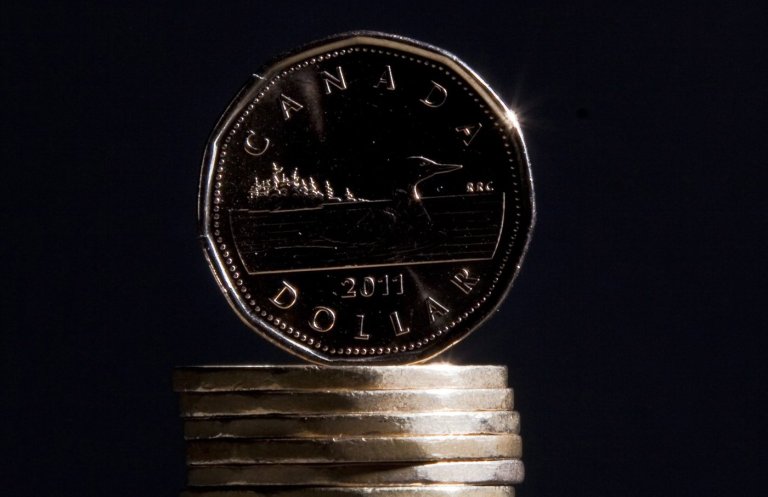
TORONTO – The Canadian dollar was slightly lower Thursday as focus remained on further signs that the U.S. economic recovery remains on track.
The loonie pulled back 0.03 of a cent to 90.19 cents US.
It was reported that the U.S. economy grew at 2.6 per cent rate in the fourth quarter, as consumer spending rose faster than thought.
Meanwhile, the U.S. Labor Department said jobless claims fell 10,000 last week to a seasonally adjusted 311,000, the lowest since November and a hopeful sign that hiring could pick up.
But most of the support for the Canadian dollar still remains on whether the Bank of Canada and the U.S. Federal Reserve will take action on interest rates.
Last week, the loonie was pressured after the Fed said it could start raising short-term interest rates as soon as next year.
“With the Fed shifting away from its dovish tone it suggests a strong US economic backdrop and therefore an improved global growth outlook, which has supported all the global growth assets including AUD, NZD, CAD, copper, etc.,” said Camilla Sutton, chief currency strategist for Scotiabank in a note Thursday.
Sutton said there’s a potential that a weaker Canadian dollar will persist if Bank of Canada governor Stephen Poloz lags behind the U.S. in making similar policy changes, which is what is expected to happen unless there are signs of strong economic performance.
Meanwhile, commodities were mixed as May crude on the New York Mercantile Exchange climbed $1.07 to US$101.33 a barrel.
June bullion fell $4.80 to US$1,298.60 an ounce while May copper gained two cents to US$2.99 a pound.
News from © The Canadian Press, . All rights reserved.
This material may not be published, broadcast, rewritten or redistributed.

This site is protected by reCAPTCHA and the Google Privacy Policy and Terms of Service apply.
Want to share your thoughts, add context, or connect with others in your community?
You must be logged in to post a comment.