Elevate your local knowledge
Sign up for the iNFOnews newsletter today!
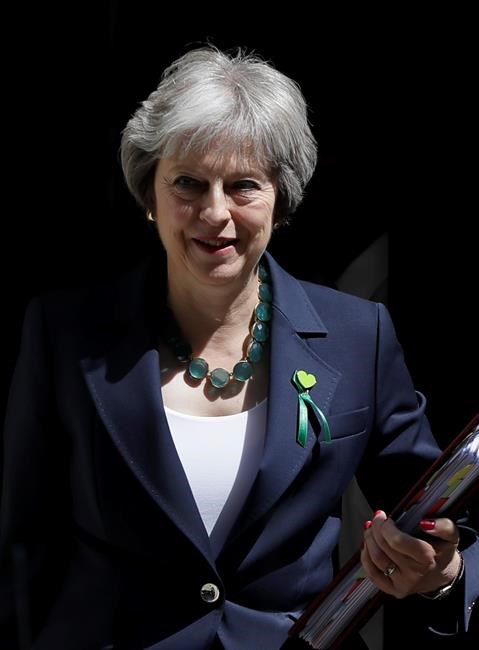
LONDON – British Prime Minister Theresa May unveiled details Monday of a plan to boost health care funding by 3.4 per cent a year, saying a “Brexit dividend” of cost savings would partly pay for the increase.
Opponents welcomed the extra spending, but said claims that Britain would get an economic lift from leaving the European Union were false.
May said in a speech that the cash-strapped National Health Service would receive 20.5 billion pounds ($27 billion) in extra funding by 2023-24, a 3.4 per cent annual rise in real terms.
She said some of the money would come from a “Brexit dividend” of “money we will no longer spend on our annual membership subscription to the European Union.”
May also said “taxpayers will have to contribute a bit more” to pay for the increased health spending. She did not say how much of the funding would come from taxation or which taxes might go up.
May’s speech evoked a discredited claim by the pro-Brexit campaign in Britain’s 2016 EU membership referendum that leaving would save the country 350 million pounds a week, and that the money could be spent on health care instead.
The amount Britain actually pays to be in the EU is about half that, while leaving carries economic costs as well as savings. For example, the U.K. has agreed to pay a 39 billion pound divorce bill to settle financial commitments it has made to the bloc.
Royal College of Midwives chief executive Gill Walton said talk of a Brexit dividend was “misleading in the extreme” because “Brexit will cost us money, not save us anything.”
Britain’s state-funded health service, founded 70 years ago next month, is a source of national pride. But the system has been under mounting pressure, with demand from a growing, aging population rising faster than investment. Seasonal illnesses and an exodus of stressed medical staff led to thousands of cancelled operations and long waits for ambulances and emergency treatment during the winter.
News from © iNFOnews.ca, . All rights reserved.
This material may not be published, broadcast, rewritten or redistributed.

This site is protected by reCAPTCHA and the Google Privacy Policy and Terms of Service apply.
Want to share your thoughts, add context, or connect with others in your community?
You must be logged in to post a comment.