Elevate your local knowledge
Sign up for the iNFOnews newsletter today!
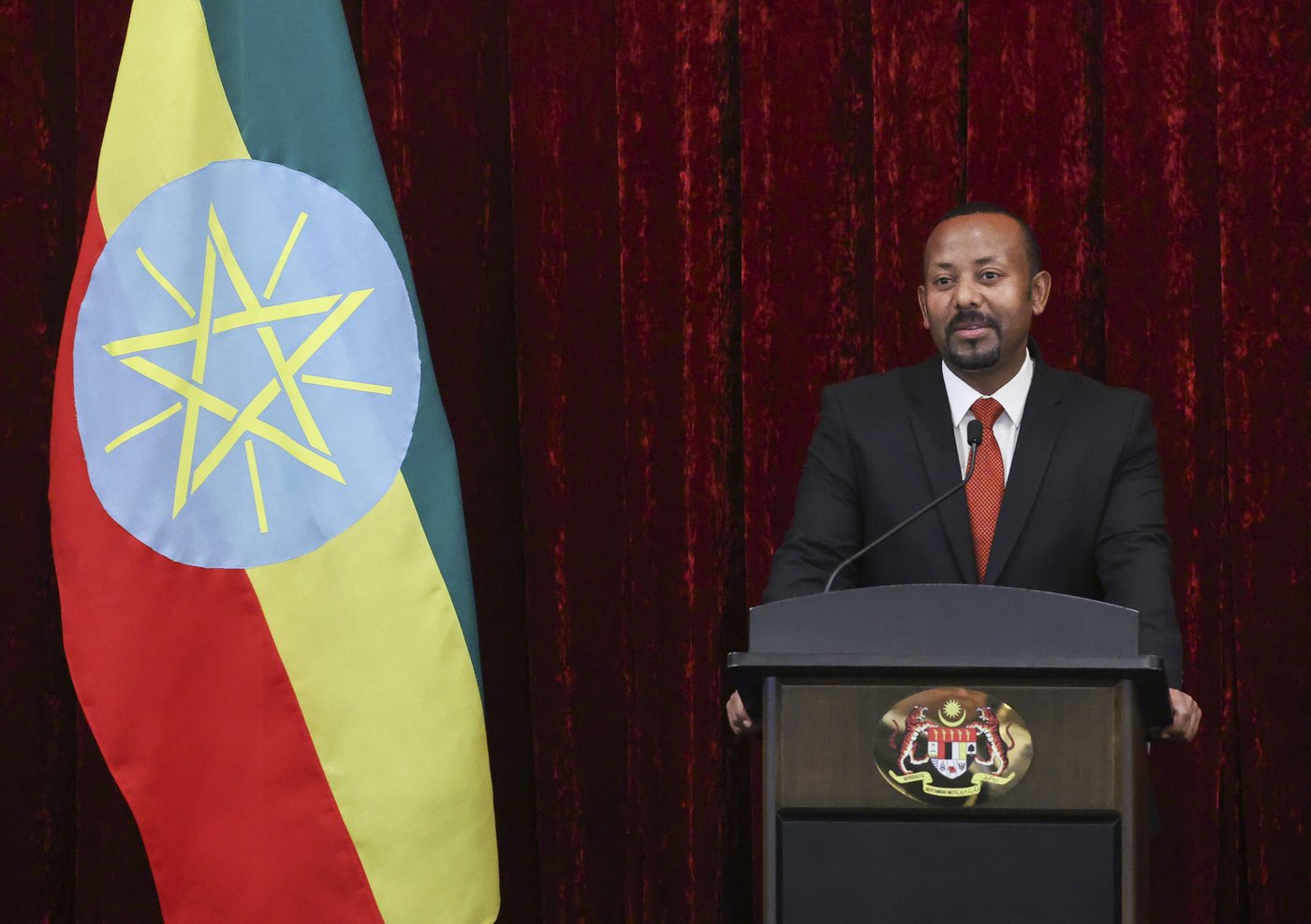
ADDIS ABABA, Ethiopia (AP) — Ethiopia’s parliament on Thursday introduced a new tax for all workers as part of measures to fill the financial gap left by the USAID funding pause.
The funds collected will go to a new Ethiopian Disaster Risk Response Fund to pay for projects previously funded by USAID, Ethiopia’s biggest partner for development and humanitarian efforts.
Ethiopia is facing recurring conflict in some of its regions including Tigray, which is recovering from a two-year conflict, Amhara and Oromia. The conflicts have left millions of people in need of food aid and healthcare.
The new tax will apply to people employed in both the private and public sectors. A mandatory contribution will also be asked of companies across sectors such as banking and hospitality. The new bill has been forwarded to a parliamentary committee for deliberation on the percentages to be contributed.
Ethiopia with its population of over 125 million people had been the biggest beneficiary of U.S. aid in sub-Saharan Africa, receiving $1.8 billion in the 2023 financial year.
In addition to life-saving food, the funds were spent on HIV medications, vaccines, literacy programs and jobs creation, as well as services for 1 million refugees hosted by Ethiopia.
Most of these programs have been stopped. The USAID staffers who oversaw them have been placed on administrative leave and told not to work, as they face the threat of termination.
News from © The Associated Press, . All rights reserved.
This material may not be published, broadcast, rewritten or redistributed.

This site is protected by reCAPTCHA and the Google Privacy Policy and Terms of Service apply.
Want to share your thoughts, add context, or connect with others in your community?
You must be logged in to post a comment.