Elevate your local knowledge
Sign up for the iNFOnews newsletter today!
Sign up for the iNFOnews newsletter today!
Selecting your primary region ensures you get the stories that matter to you first.


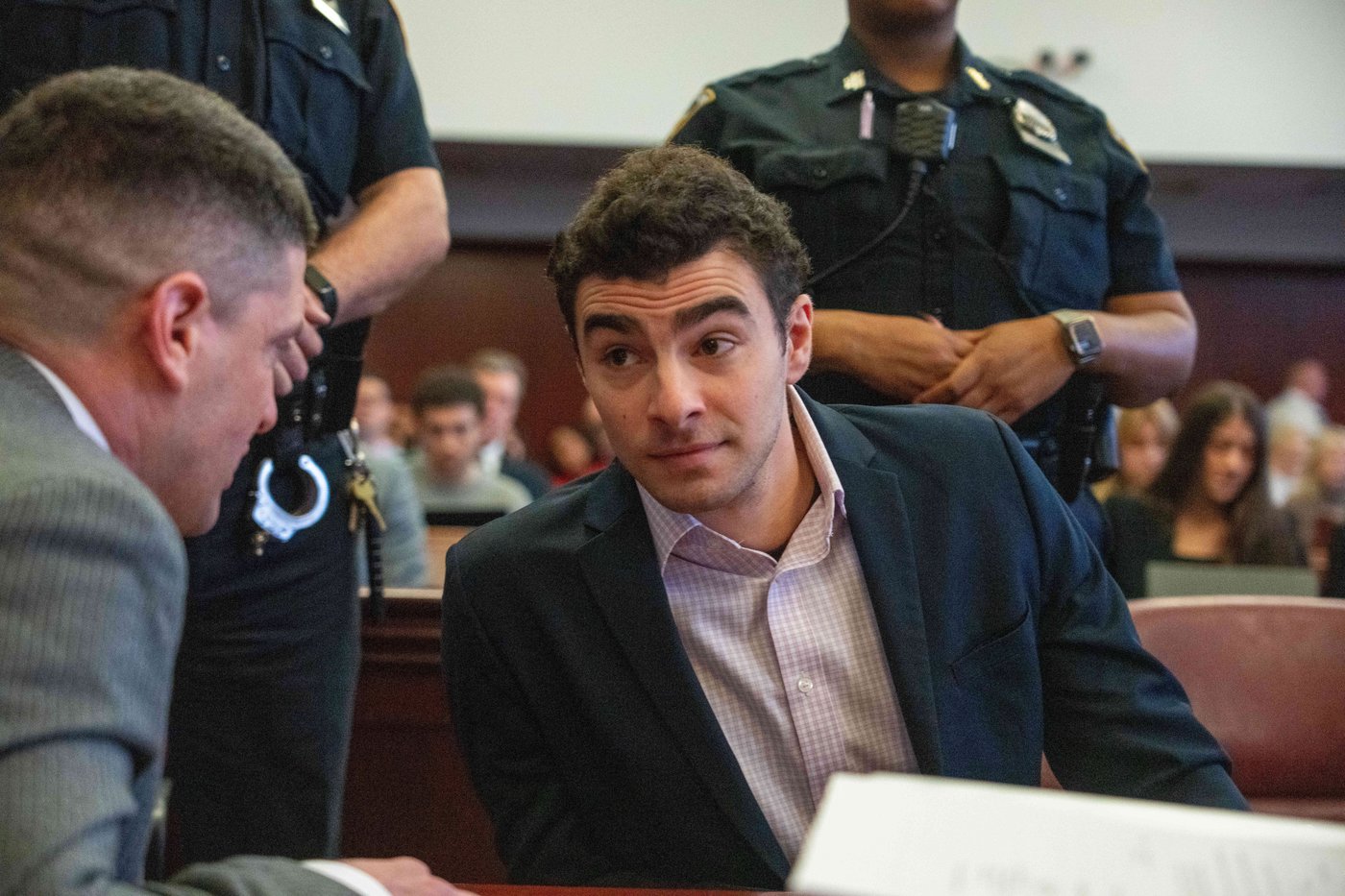
NEW YORK (AP) — Video shown in court Tuesday documented how police approached, arrested and searched Luigi Mangione at a Pennsylvania McDonald’s — moments that underlie key questions about what evidence can and can’t be used in the case surrounding the killing of UnitedHealthcare CEO Brian Thompson.
The footage was taken on Dec. 9, 2024, five days after Thompson was gunned down on a New York City sidewalk. Officers’ body cameras captured the roughly 20 minutes between police approaching Mangione at the restaurant and telling him he had the right to remain silent.
During that time, they asked his name, whether he’d been in New York recently and other questions, including: “Why are you nervous?”
The minutes before Mangione’s arrest
The Altoona, Pennsylvania, officers were initially skeptical about a 911 call reporting that the much-publicized suspect in Thompson’s killing might be at the McDonald’s — so dubious that a supervisor offered to buy Officer Joseph Detwiler a hoagie at a local eatery if the tip panned out.
Yet once he met Mangione and saw his face, Detwiler was convinced, all the more so after the man gave what police soon realized was a fake name and phony New Jersey driver’s license. But police suggested they were simply responding to loitering concerns at the eatery, they made conversation about a steak sandwich, and Detwiler even whistled along as “Jingle Bell Rock” played in the background.
“Just trying to keep things normal and calm, make him think that nothing was different about this call than any other call,” Detwiler explained in court.
But however casual the tone at times, officers also patted Mangione down and pushed his backpack away from him — out of “a safety concern” about what might be in it and what he might do, according to Detwiler.
After about 15 minutes, with over a half-dozen officers in the restaurant, Detwiler warned Mangione that he was being investigated, was believed to have given a false name and would be arrested if he repeated it. Mangione then disclosed his true identity. Officers asked why he had lied.
“I clearly shouldn’t have,” he responded, explaining that “that was the ID I had in my wallet.”
Minutes later, an officer read Mangione his rights, while adding that he was “not in custody at this point.” A compliant Mangione was frisked again and then handcuffed as “I’ll Be Home for Christmas” wafted from the restaurant’s speakers.
Detwiler testified Mangione was in investigative “detention” at that point, then was arrested a few minutes later on a forgery charge related to his false ID.
Defense wants certain evidence excluded

Mangione, 27, the Ivy League-educated scion of a wealthy Maryland family, has pleaded not guilty to state and federal murder charges. The state charges carry the possibility of life in prison, while federal prosecutors are seeking the death penalty. Neither trial has been scheduled.
Mangione’s lawyers want to keep jurors at both eventual trials from hearing about his alleged statements to law enforcement and about items authorities said they seized from his backpack. The objects include a 9 mm handgun that prosecutors say matches the one used in the killing and a notebook in which they say Mangione described his intent to “wack” a health insurance executive.
The ongoing hearing, which could extend to next week, pertains only to the state case. If the defense gets its way, prosecutors’ case would take a major hit.
The defense contends that the statements should be suppressed because officers started asking questions before telling Mangione that he had a right to remain silent. Mangione’s attorneys argue the backpack items should be excluded because police didn’t get a warrant before searching his bag.
The laws concerning how police interact with potential suspects before reading their rights or obtaining search warrants are complex and often disputed in criminal cases.
In Mangione’s case, crucial questions will include whether he believed he was free to leave at the point when he spoke to the arresting officers, and whether there were “exigent circumstances” that merited searching his backpack before getting a warrant.
Detwiler testified that he neither told Mangione he couldn’t leave nor mentioned the New York shooting. Defense lawyers, however, have argued that officers “strategically” stood in a way that prevented him from leaving even before he was told he was being arrested.
As for the backpack search, Detwiler said Altoona police policy calls for searching anyone who is being arrested, including their bags. But while questioning the officer, defense attorney Karen Friedman Agnifilo pointed out that an officer was heard on body-camera video saying, “At this point, we’ll probably need a search warrant for it,” after colleagues already had rifled through the bag.
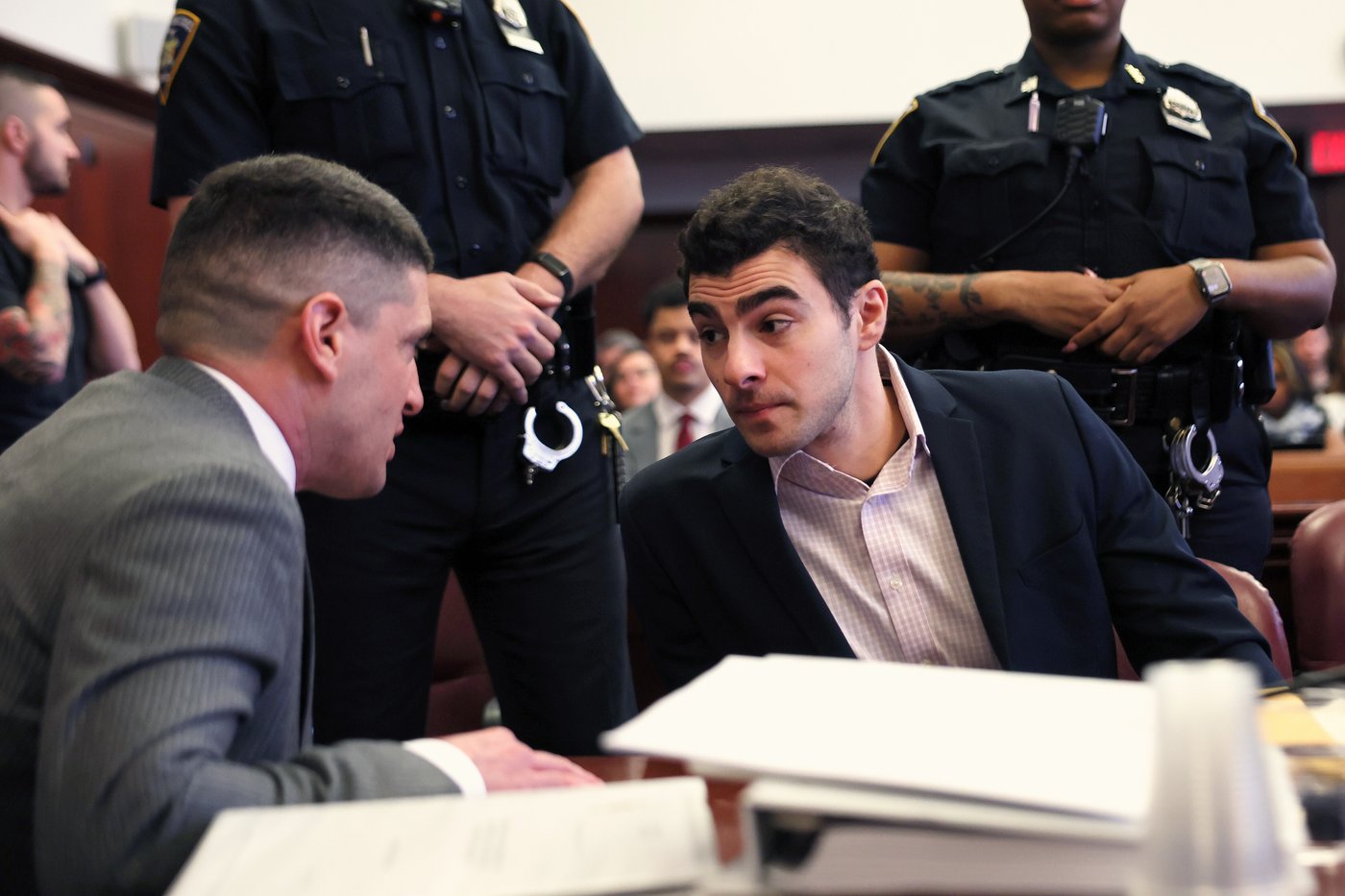
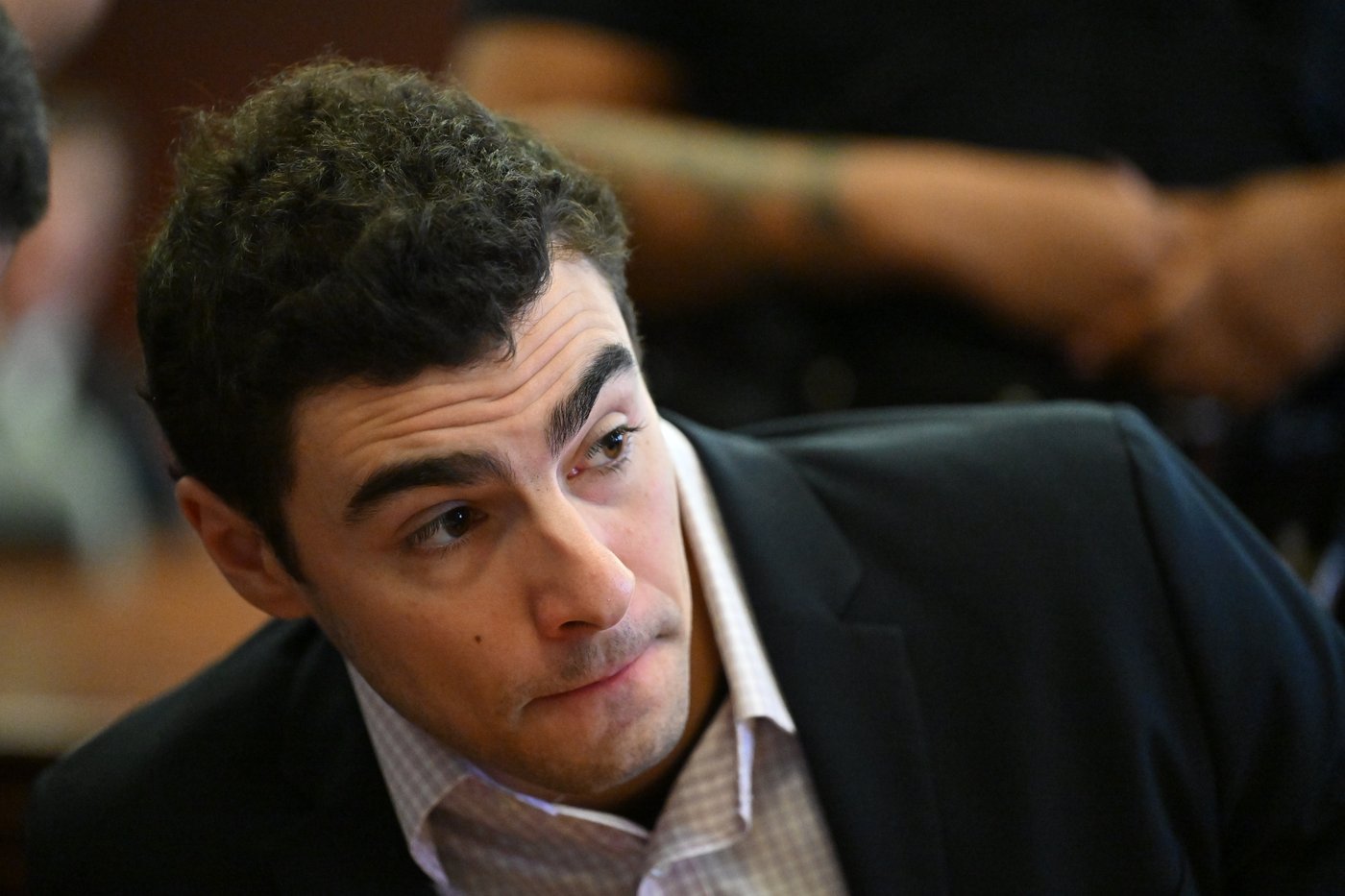
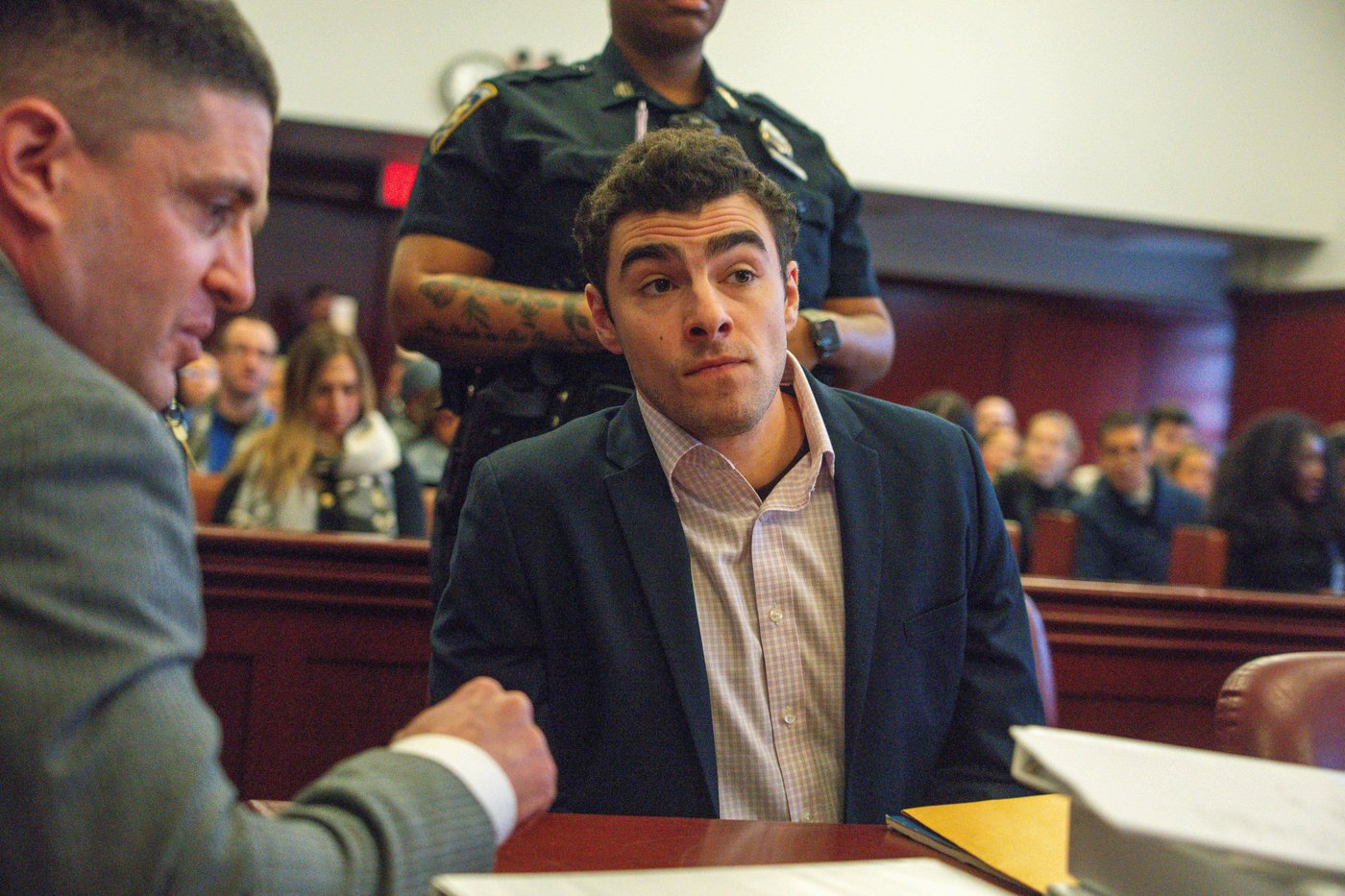
Mangione watched the videos and testimony attentively, at times thumbing his chin in seeming concentration.
A key hearing
Manhattan prosecutors haven’t yet laid out their arguments for allowing the disputed evidence. Their federal counterparts have said in court filings that police were justified in searching the backpack to ensure there were no dangerous items and that Mangione’s statements to officers were voluntary and made before he was under arrest.
Surveillance video showed a masked gunman shooting Thompson from behind as the executive walked to a midtown Manhattan hotel for his company’s annual investor conference. Prosecutors say “delay,” “deny” and “depose” were written on the ammunition, mimicking a phrase critics use to describe insurance industry practices.
Thompson, 50, worked at the giant UnitedHealth Group for 20 years and became CEO of its insurance arm in 2021.
News from © The Associated Press, . All rights reserved.
This material may not be published, broadcast, rewritten or redistributed.

Want to share your thoughts, add context, or connect with others in your community?
You must be logged in to post a comment.