Elevate your local knowledge
Sign up for the iNFOnews newsletter today!
Sign up for the iNFOnews newsletter today!
Selecting your primary region ensures you get the stories that matter to you first.


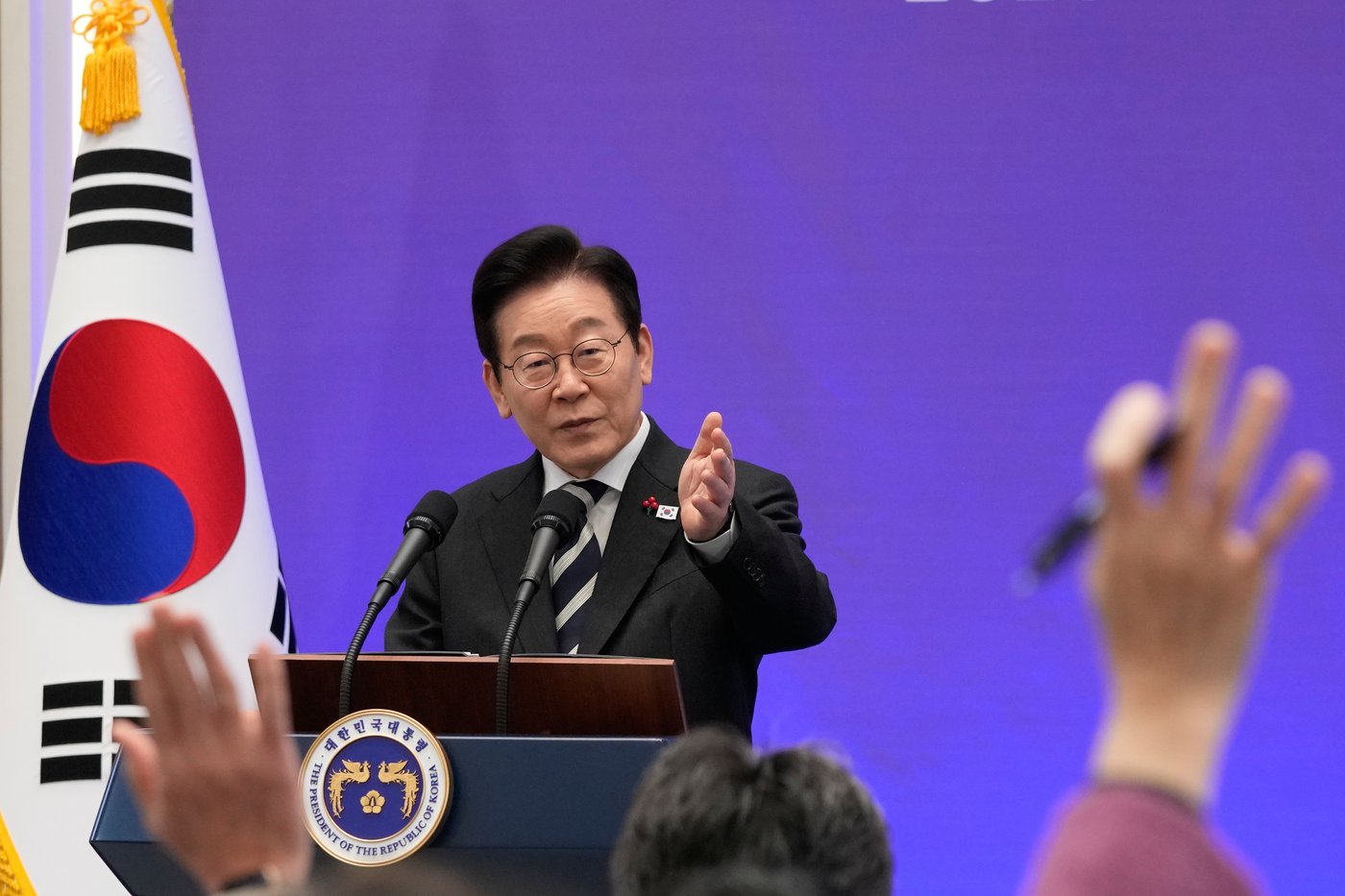
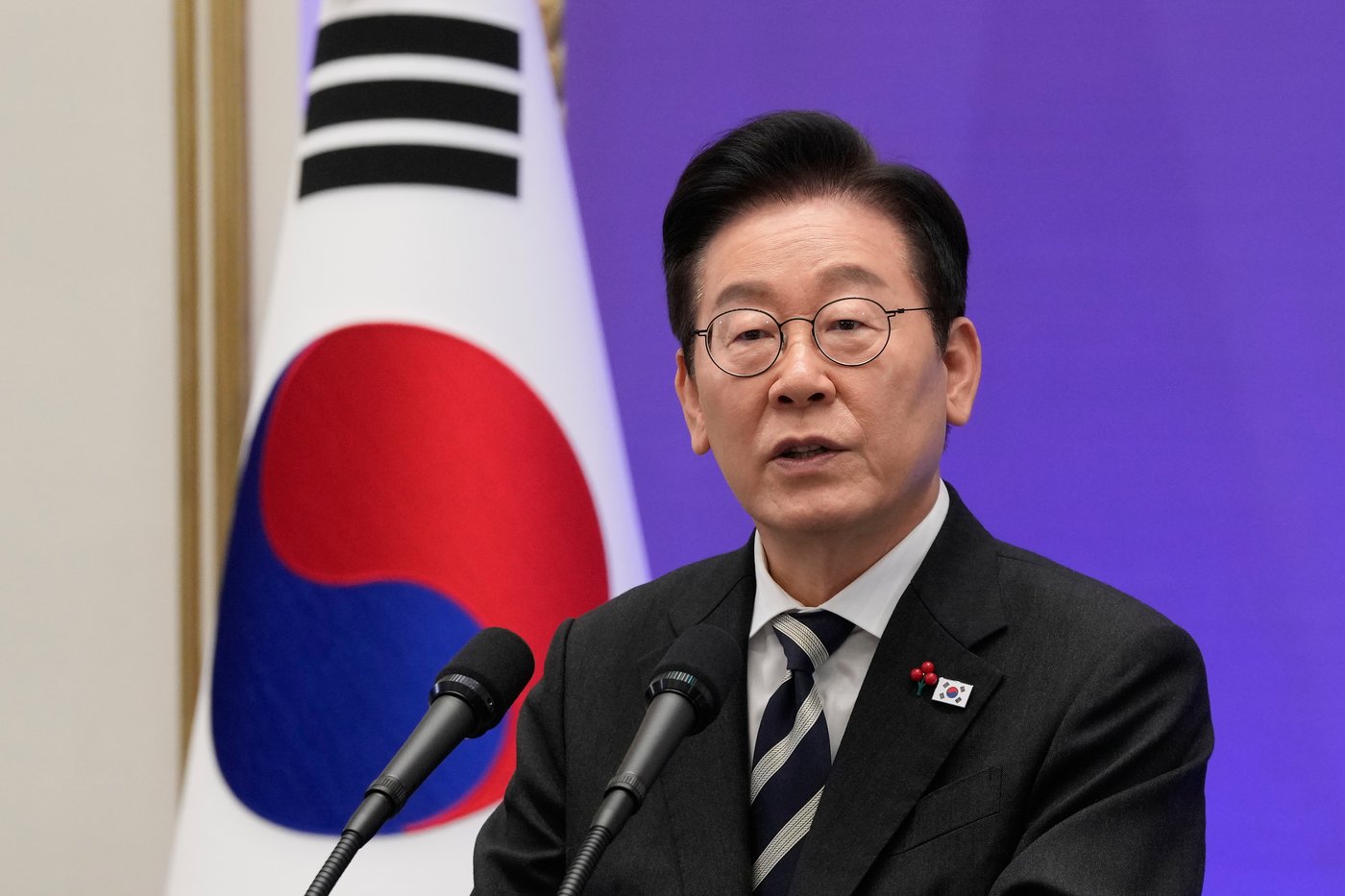
SEOUL, South Korea (AP) — South Korean President Lee Jae Myung said Wednesday he’s weighing a possible apology to North Korea over suspicions that his ousted conservative predecessor intentionally sought to raise military tensions between the war-divided rivals in the buildup to his brief martial law declaration in December 2024.
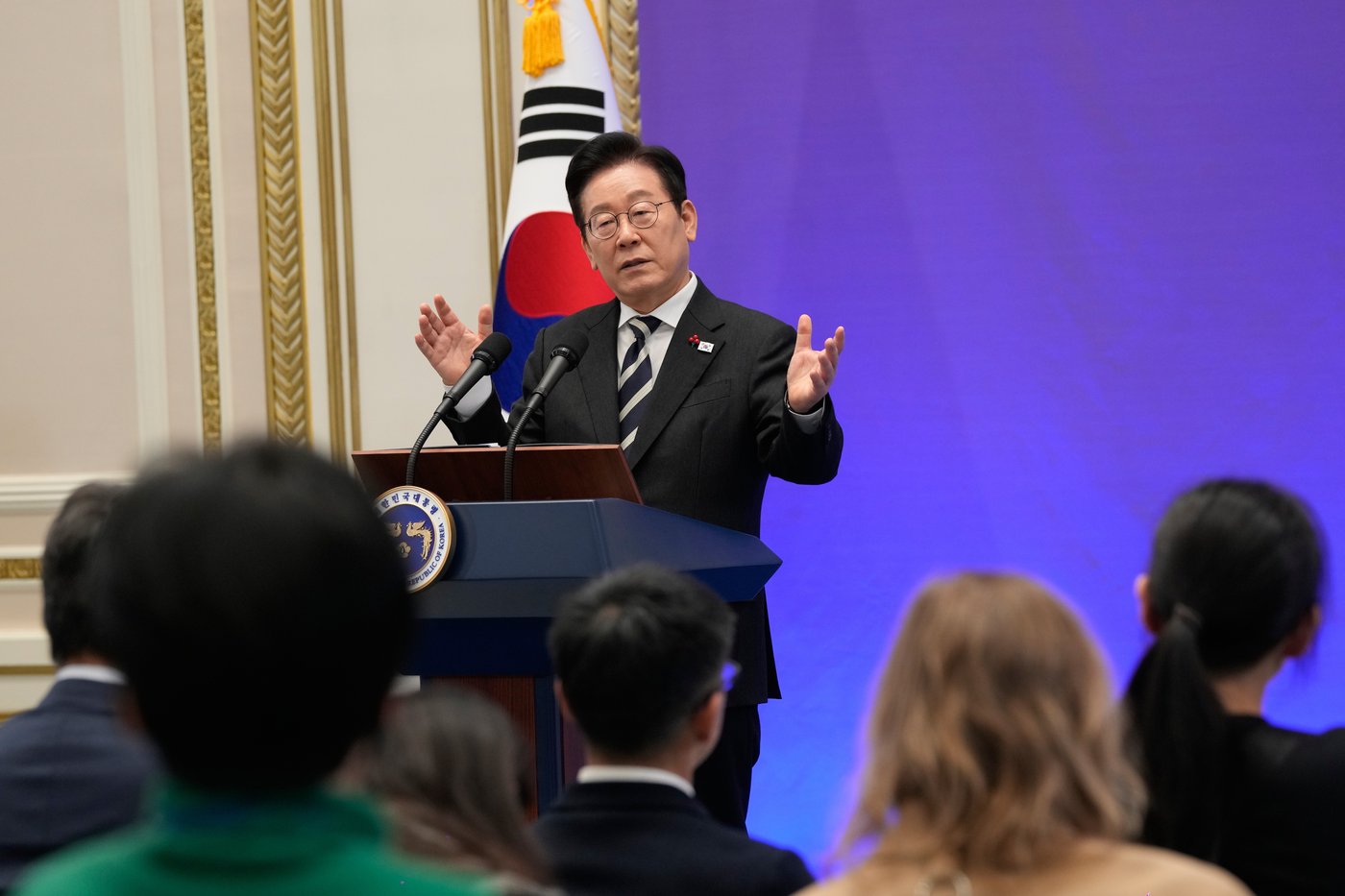
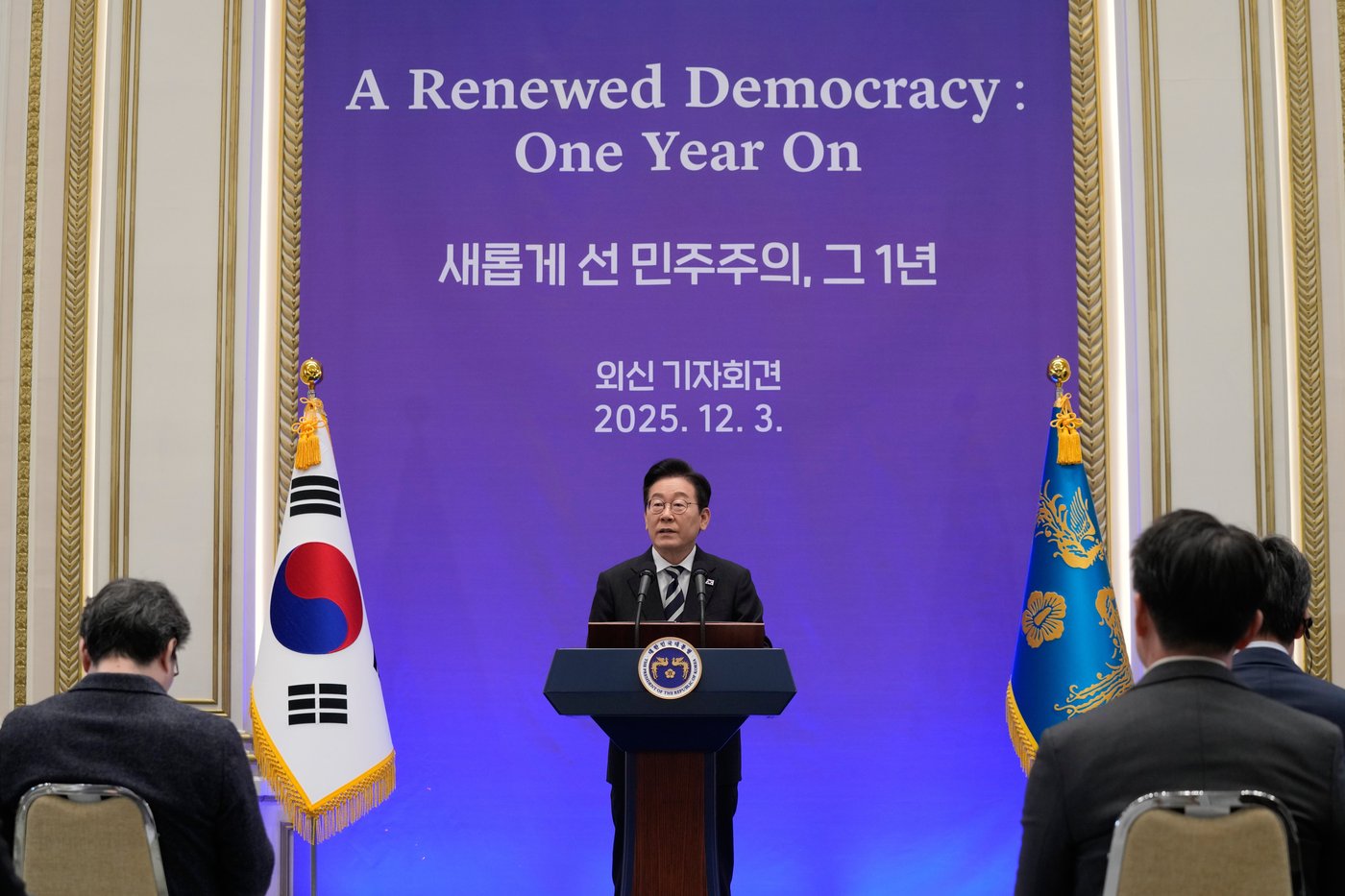
Speaking to reporters on the first anniversary of former President Yoon Suk Yeol’s ill-fated power grab, Lee — a liberal who won a snap presidential election following Yoon’s removal from office in April — stressed his desire to repair ties with North Korea. But asked about North Korea’s yearslong detentions of several South Korean nationals, Lee said he wasn’t aware of the issue, drawing criticism from relatives who call for their safe return.
A special prosecutor last month indicted Yoon and two of his top defense officials over allegations that he ordered drone flights over North Korea to stoke tensions. South Korean media also reported Monday that South Korea’s military under Yoon’s presidency flew balloons carrying propaganda leaflets across the border.
Lee considers an apology to North Korea
While the drone and leafleting allegations have yet to be proven in court, Lee still said he personally wishes to apologize to North Korea.
“I do think we need to apologize, but I haven’t been able to say so because I worry it could be used to smear (me) as pro-North Korean or spark political ideological battles” in South Korea, Lee said. “That’s all I will say for the time being.”
North Korea publicly accused Yoon’s government of flying drones over Pyongyang to drop anti-North Korean propaganda leaflets three times in October 2024. South Korea’s military has declined to confirm the claims, and any public acknowledgment of reconnaissance activity over the North would be highly unusual.
Since taking office in June, Lee has taken proactive steps to ease inter-Korean tensions, including turning off frontline loudspeakers that blared K-pop and world news and banning activists from flying balloons carrying propaganda leaflets across the border. North Korea has so far ignored Lee’s overtures, with leader Kim Jong Un stating his government has no interest in dialogue with Seoul.
Lee lamented North Korea’s stance but promised to continue to make gestures to reduce tensions. He said the suspension of regular South Korea-U.S. military drills, which North Korea views as invasion rehearsals, could be an option to consider to convince North Korea to return to talks. That comments could invite criticism from conservatives who believe South Korea and the U.S. must maintain a firm readiness unless North Korea abandons its nuclear program.
Lee fails to answer on detainees in North Korea
When asked about how his government would bring back six South Korean nationals detained in North Korea in the past decade or so, Lee baffled many when he said had never heard of those cases and asked his national security director, “Is it correct that (South) Korean nationals are being held?” He later said he lacked “specific information since this happened a long time ago” and would need more details before commenting.

Three of the six detainees are Christian missionaries who were involved in covert efforts to spread Christianity in the North. They were all arrested in 2013 or 2014 before being convicted of plotting to overthrow the North Korean government and spying for South Korea and sentenced to hard labor for life. The other three are North Korean-born defectors who had resettled in the South, and little is known about their arrests.
“My heart is aching. I think President Lee has little interests” on the detainees, said Kim Jeong-sam, brother of one of the jailed missionaries, Kim Jung Wook. “I still pray for my brother’s safe return at least three times a day.”
Choi Jin-young, son of jailed missionary Choi Chun-kil, said he remains perplexed and disappointed. He said he feels so sad when he thinks about his father, who is likely in a prison with extremely poor condition.
Ethan Hee-Seok Shin, a legal analyst at the Seoul-based Transitional Justice Working Group, said it’s “unbelievable” for Lee to say he doesn’t know the issue. “As president of our country, he should have known this and agonized how to resolve it, though it would be difficult to resolve it anytime soon,” he said.
Lee recalls the martial law crisis
During the news conference, Lee credited the South Korean people for “suppressing a self-coup,” pointing to how thousands gathered around the National Assembly to protest Yoon’s power grab and help lawmakers get inside. He said South Korea’s experience offers hope to “citizens and national leaders worldwide fighting for democracy.”
Lee recalled how he began livestreaming his journey to the National Assembly in a car, pleading for South Koreans to converge on the legislature to help lawmakers get inside to lift the measure. Near the end of the livestream, he was seen getting out of his car and climbing over a fence to enter the Assembly grounds.
“I started broadcasting with the belief that only the people have the strength to stop” the military takeover, Lee said. “People were indeed heading toward the National Assembly.”
Yoon’s imposition of martial law on Dec. 3, 2024 — which came amid an intensifying standoff with the liberal-controlled legislature and saw hundreds of heavily armed troops surround the building — lasted only hours before lawmakers managed to break through the barricades and voted to lift the measure.
Impeached by lawmakers later that month, Yoon was formally removed from office following a Constitutional Court decision in April. He was re-arrested in July and is now standing trial on rebellion charges and various other suspected crimes, including claims that he deliberately sought to raise tensions with North Korea to create a pretext for declaring martial law at home.
News from © The Associated Press, . All rights reserved.
This material may not be published, broadcast, rewritten or redistributed.

Want to share your thoughts, add context, or connect with others in your community?
You must be logged in to post a comment.