Elevate your local knowledge
Sign up for the iNFOnews newsletter today!
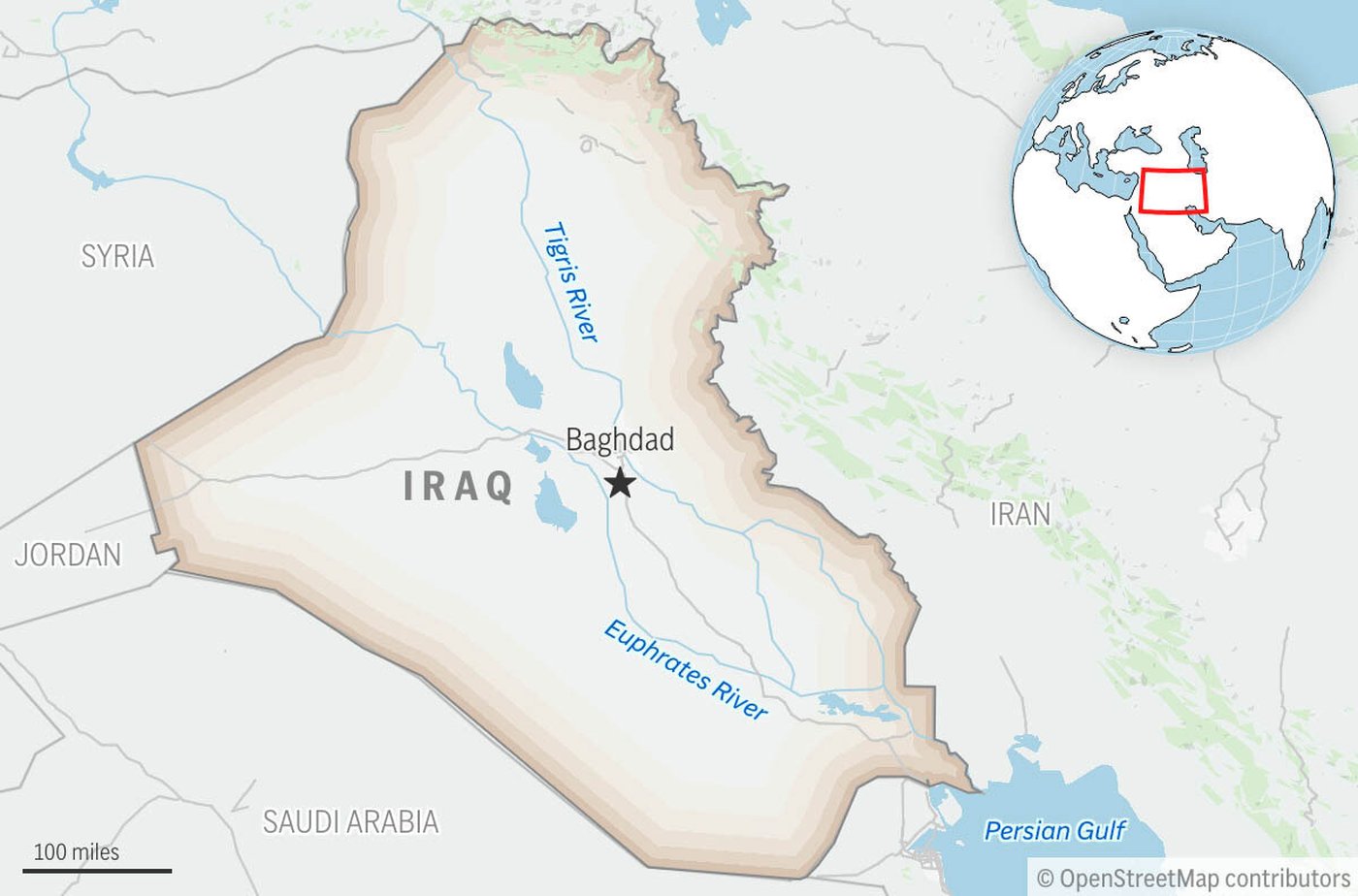
BAGHDAD (AP) — Iraq’s government on Thursday retracted a terror designation for Lebanon’s militant Hezbollah group and Yemen’s Houthi rebels, just weeks after imposing the measure it now says was a mistake.
The government’s retraction came hours after reports first circulated about the designation, which was an error made “before reviewing,” according to a statement.
The initial decision, published in the official Iraqi gazette on Nov. 17, had placed the two groups — both allies of Iran and also Iraq’s Shiite militias — among 24 organizations targeted under a national asset freeze order, accusing them of “participating in committing a terrorist act.”
Iraq is under increasing pressure from the United States to clamp down on local Iran-backed militias. Baghdad is also struggling to balance its relations with Washington and Tehran, amid fears of a new Israel-Iran war that could spill over into neighboring countries.
“The names of Hezbollah and the Houthis will be removed” in a corrected publication of the official gazette, the government said.
Iraqi Prime Minister Mohammed Shia al-Sudani ordered an investigation into the error.
Two Iraqi officials, who spoke on condition of anonymity because they were not authorized to discuss the issue, said the reversal of the designation was the result of a pressure campaign by Iran-aligned political factions and armed groups in Iraq.
The factions accused the government of targeting regional allies and risking a confrontation with Tehran, the officials said.
The designation also drew condemnation from much of the Iraqi public that supports the Palestinians and sees Hezbollah and the Houthis as resistance movements against Israel. Both launched strikes against Israel after the deadly Oct. 7, 2023 Hamas-led attack in southern Israel triggered the devastating Israel-Hamas war in Gaza.
“It is unfair and it is not a right decision, and we consider it against Islam,” said Raad Mohammed, a Baghdad resident, before the reversal was announced.
Anwar al-Musawi, an Iraqi political analyst, said Baghdad had been placed in an awkward position between American pressure and regional alliances — especially since “cooperation with the Houthis or the Lebanese Hezbollah was part of Iraq’s policy” for many years.
There was no immediate comment on the developments from Hezbollah or the Houthis, or from the U.S.
___
Martany reported from Irbil, Iraq. Associated Press journalist Ali Abdul-Hassan in Baghdad contributed to this report
News from © The Associated Press, . All rights reserved.
This material may not be published, broadcast, rewritten or redistributed.

This site is protected by reCAPTCHA and the Google Privacy Policy and Terms of Service apply.
Want to share your thoughts, add context, or connect with others in your community?
You must be logged in to post a comment.