Elevate your local knowledge
Sign up for the iNFOnews newsletter today!
Sign up for the iNFOnews newsletter today!
Selecting your primary region ensures you get the stories that matter to you first.


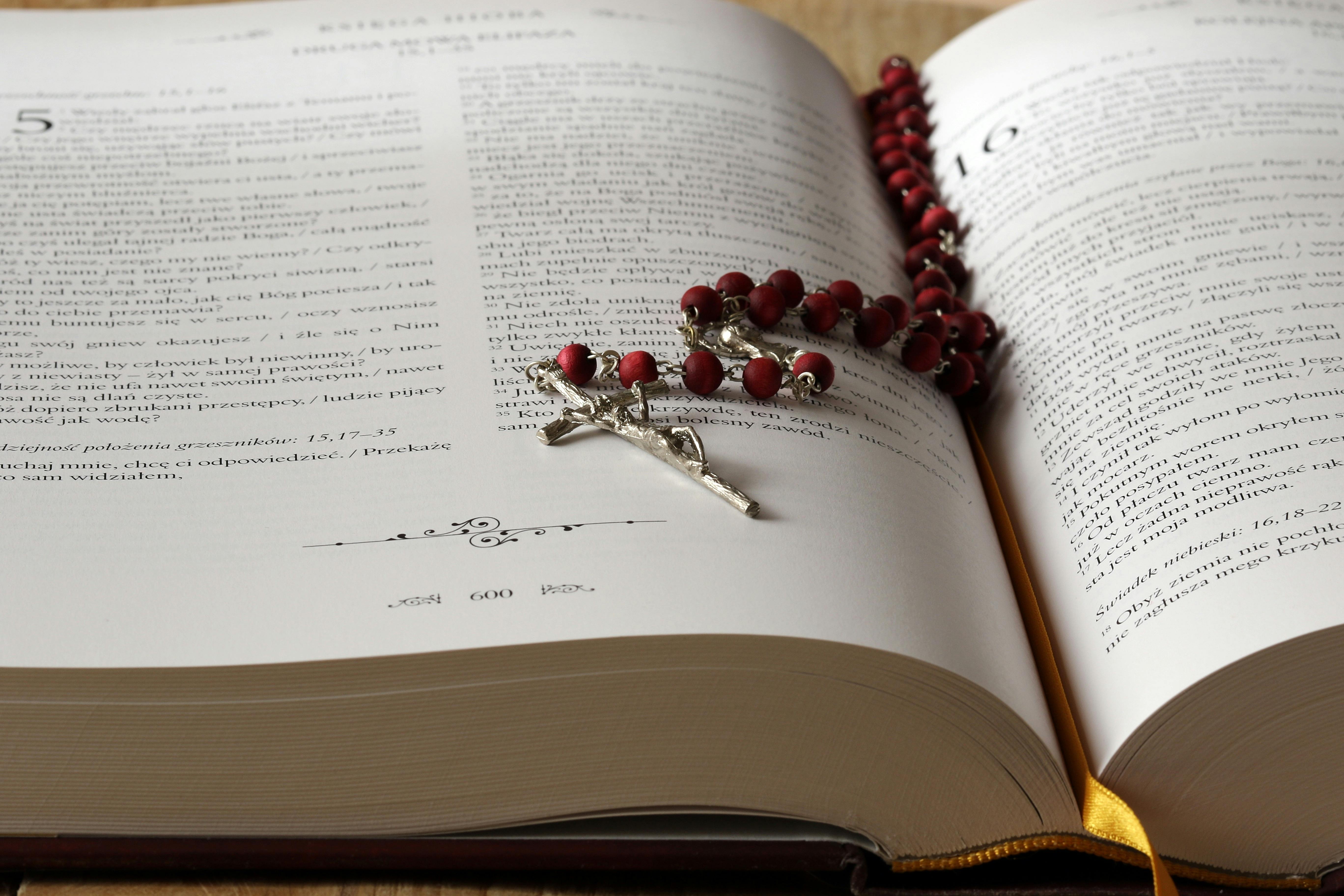
A Shuswap man is suing his church for defamation after a letter he wrote about its finances started an investigation.
According to a Dec. 3 BC Supreme Court decision, St. Joseph’s Roman Catholic Church parishioner Kenneth Edwin Bryan Fraser responded to a request for feedback from the Salmon Arm church’s finance committee over declining donations that had left the church with a $10,000 deficit.
Fraser responded and wrote a letter that said that some parishioners had stopped donating money to St. Joseph’s.
“When these parishioners needed their church the most, they felt denigrated, misconstrued, or slandered by their staff, priests, and bishop,” Fraser alleged.
“The Church construed this statement as an allegation and commenced an investigation,” BC Supreme Court Justice Richard Hewson said in the decision.
The church hired lawyer Scott Huyghebaert, who conducted an investigation and concluded that Fraser’s complaint was unfounded.
The findings of the investigation were then distributed in print and posted to the parish website.
Weeks later, Fraser was told he wasn’t welcome to participate in some voluntary roles at the church.
He wrote again to the church, and a parish meeting was held regarding the investigation.
Six months later, in June 2024, he filed a suit against the priest, Father Fred Weisbeck, Kamloops Bishop Joseph P. Nguyen, and the Roman Catholic Diocese of Kamloops, as well as Scott Huyghebaert, the lawyer who did the investigation.
“Mr. Fraser claims that he was defamed both in print and during the meeting on August 10, 2023,” the Justice said. “He alleges that all four defendants owed him a duty of care, a duty of confidentiality, and fiduciary duties. He alleges that they made fraudulent misrepresentations, and that they inflicted emotional distress on him, either intentionally or negligently. He further alleges that they violated his privacy and were parties to a civil conspiracy.”
Since filing his civil suit, Fraser has made numerous amendments to the paperwork the Justice described as “very lengthy.”
His second amendment to his suit was more than 22 pages in length and the Justice gives some examples of its content.
“As families were arriving at church one Sunday morning (November 21, 2021), a man employed by St. Joseph’s berated parishioners and – over a microphone – compared them to Al Qaeda terrorists. The staff member issued an alarming ultimatum to the pastor, threatened to compel police involvement and news coverage, and effectively forced the pastor to cancel the Sunday service before it began,” Fraser claimed in the court filing. “Mr. Fraser stated that the remark in his April Letter was an observation (not an allegation) shared by many people in the parish community. In fact, from 2021 to present, parishioners informed the Church defendants in writing – at least 10 times – that they felt slandered, bullied and/or harassed by Diocesan staff. Mr. Fraser’s ‘allegation’ was one among many.”

Justice Hewson said the court documents gave many other similar examples.
Fraser appeared in court, arguing to amend the wording of his civil suit to add eight more allegations to the basis of his lawsuit.
“The real question and issues between the parties is whether words published and said by the defendants about Mr. Fraser were defamatory, and whether the investigation into his complaint of misconduct by the bishop, the priest and the staff and agents of the parish was tortious and caused him compensable harm,” Justice Hewson said.
Fraser claimed that everyone involved in the investigation acted negligently.
Justice Hewson disagreed.
“It is plain and obvious that this claim is bound to fail,” the Justice said. “There was no duty of care between any of the defendants and (Fraser) because there was not a sufficient degree of proximity between them… Moreover, there were no special circumstances creating a duty of care between counsel for the defendants, Mr. Huygebaert, and Mr. Fraser. Second, it was not reasonably foreseeable that harm, whether mental distress or loss of income, would be caused by investigating a public allegation, or by reporting the result of an investigation into a public allegation, or by requiring a temporary break in Mr. Fraser’s voluntary participation in activities at the Church.”
The Justice shot down more of Fraser’s claims.
“It was not reasonably foreseeable that harm would be caused by announcing the conclusions of an investigation into the basis for Mr. Fraser’s public statement,” the Justice said. “His identity as the author of the statement that generated the investigation was public information… Mr. Fraser himself made public his identity as the person responsible for the statement.”
Fraser claimed the church breached confidentiality, but again, the Justice didn’t buy it.
“To be confidential, information must not be something which is public knowledge… Mr. Fraser himself distributed copies of his statement and made public his identity as the person responsible for it. To the extent that the defendants shared information about their investigation, it was a permitted use of confidential information. Information was not misused,” the Justice said.
The Justice went on to dismiss more claims of a civil conspiracy and a violation of privacy.
Ultimately, the Justice allowed Fraser to make some amendments to his court filing under tight parameters.
Fraser, who represented himself and doesn’t have a lawyer, was left to pay the court fees.
“Costs will be payable by Mr. Fraser forthwith, to promote future litigation efficiency and to compensate the defendants promptly for the work they were forced to do in response,” the Justice said.
Want to share your thoughts, add context, or connect with others in your community?
You must be logged in to post a comment.