Elevate your local knowledge
Sign up for the iNFOnews newsletter today!
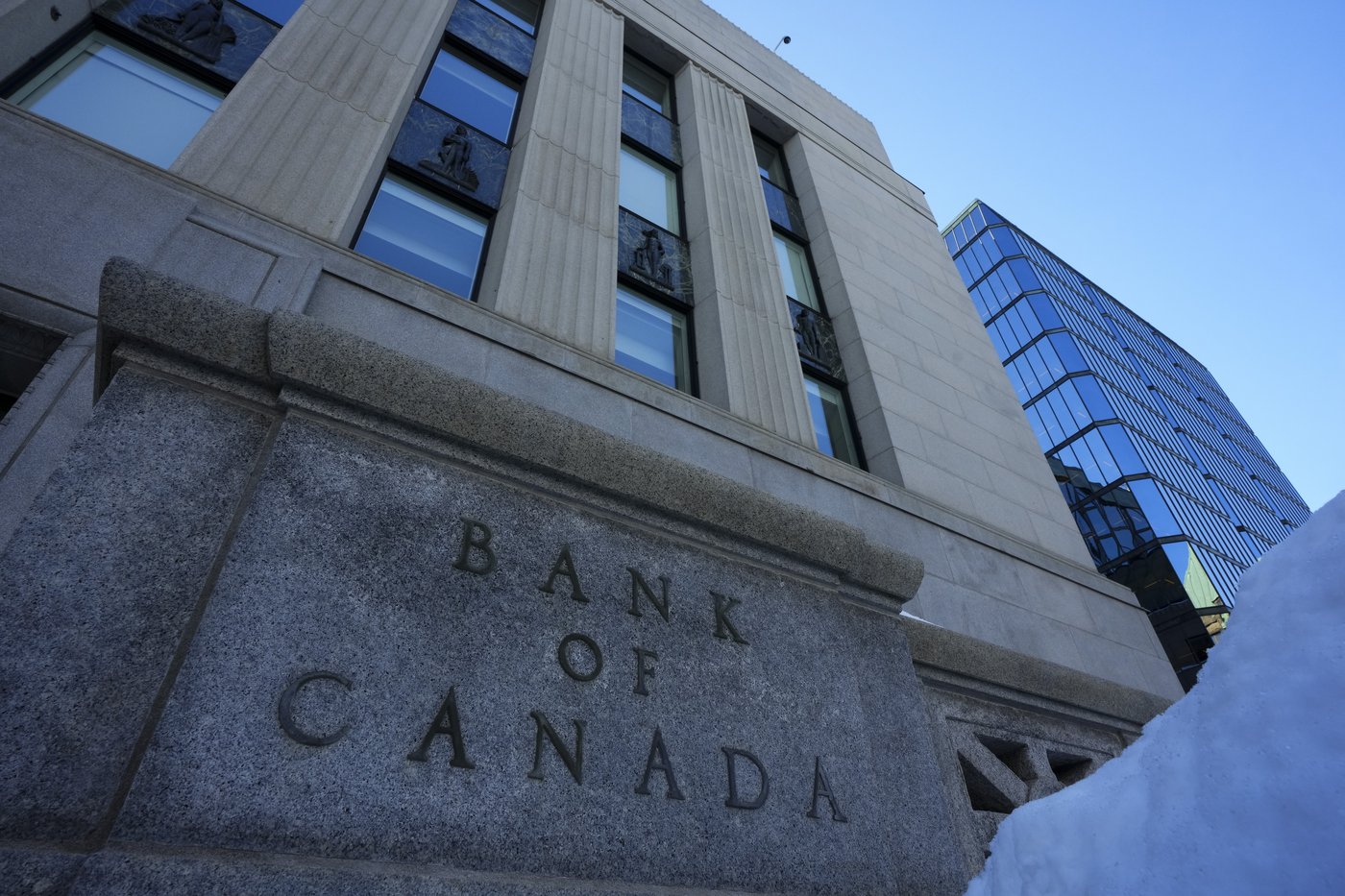
TORONTO — The Bank of Canada has halted its downward push on interest rates.
The central bank held its key rate on Wednesday, with economists expecting it to remain unchanged for much of next year and the next move more likely to be a hike than a cut.
The bank kept the rate at 2.25 per cent in its final decision of 2025 after both jobs gains and economic growth have surprised to the upside recently, firming up the bank’s position that further cuts aren’t necessary at this time to boost the economy and that inflation remains in check.
“The economy is proving resilient,” said Bank of Canada governor Tiff Macklem at a press conference Wednesday, noting that while targeted sectors are feeling trade pressure, the overall tariff level on goods going to the U.S. remains low.
Unpredictability in trade however is making it harder to see the path forward, he said.
“Uncertainty remains high, and the range of possible outcomes is wider than usual,” he said.
“The volatility we’re seeing in trade and quarterly GDP make it more difficult to assess the underlying momentum of the economy.”
The comments come after the Canadian economy posted a surprise 2.6 per cent annualized jump in the third quarter, while the unemployment rate dropped 0.4 percentage points to 6.5 per cent in November.
Macklem said the gains reflect trade-related volatility, and that the bank expects hiring intentions will be muted and GDP growth will be moderate next year.
“The Canadian economy is going through a difficult, structural adjustment. That is going to take some time,” he said.
The bank said ongoing economic slack would help offset trade pressures to keep inflation close to its two per cent target going forward.
At 2.25 per cent, the policy interest rate is at about where it should be to balance inflation and economic growth, said Macklem.
“We think the policy rate is about right.”
Holding at this level ends a downward push started in June 2024 that brought the key rate down from five per cent, including one percentage point worth of cuts this year.
The U.S. Federal Reserve, meanwhile, cut its key rate by a quarter-percentage point Wednesday to about 3.6 per cent and signalled it expects to lower rates just once next year.
Looking forward, economists expect the Bank of Canada to start raising rates either later next year or in 2027.
“We continue to believe the next move by the BoC will likely be a hike, but we don’t anticipate the start of a new monetary tightening cycle anytime soon,” said Michael Davenport, senior economist at Oxford Economics, in a note predicting a 2027 start to increases.
“Like most aspects of the outlook for 2026, the path ahead for the BoC will likely hinge on U.S.-Canada trade policy and the upcoming renegotiation of the USMCA.”
The free-trade agreement between the U.S., Mexico and Canada is up for renewal next year and uncertainty about those negotiations — and what any changes would mean for the economy — is a big question mark for 2026.
RBC also believes the next move from the Bank of Canada will be a hike around the start of 2027, but that trade-related risks and robust consumer demand could put upward pressure on inflation to make it happen earlier.
“Our base case assumes this won’t occur until 2027, but risks are tilted toward an earlier move.”
The inflation risk remains with choppiness in the data expected ahead that could see it trend higher in the near term, though looking past that, the central bank sees inflation tracking close to its two per cent target.
Keeping inflation down is crucial to allow wage gains to outpace price growth and restore affordability.
“What we need to do is keep inflation at target, and support the structural shift that the economy is going through,” said senior deputy governor Carolyn Rogers.
“As the economy grows, it will support wage increases and that will help, over time, fix that sense of affordability being tough for Canadians.”
She said that was already playing out somewhat in real estate, though there are significant regional variations.
“Prices have come off their highs at a national level,” said Rogers.
“We do expect maybe a continued correction in some of the higher-priced markets. Overall, both interest rates and supply conditions are helping to improve affordability on the margin, but we’ve got a ways to go.”
She said that while progress is being made to keep inflation down to help restore affordability, it’s not a clear road ahead to get there.
“Despite the fact that the economy has proven resilient, there is sort of an overwhelming feeling of uneasiness or uncertainty that I think hangs over Canadians.”
This report by The Canadian Press was first published Dec. 10, 2025.
News from © The Canadian Press, . All rights reserved.
This material may not be published, broadcast, rewritten or redistributed.

This site is protected by reCAPTCHA and the Google Privacy Policy and Terms of Service apply.
Want to share your thoughts, add context, or connect with others in your community?
You must be logged in to post a comment.












One response
No, what will really help with housing affordability and inflation is lower interest rates.