Elevate your local knowledge
Sign up for the iNFOnews newsletter today!
Sign up for the iNFOnews newsletter today!
Selecting your primary region ensures you get the stories that matter to you first.


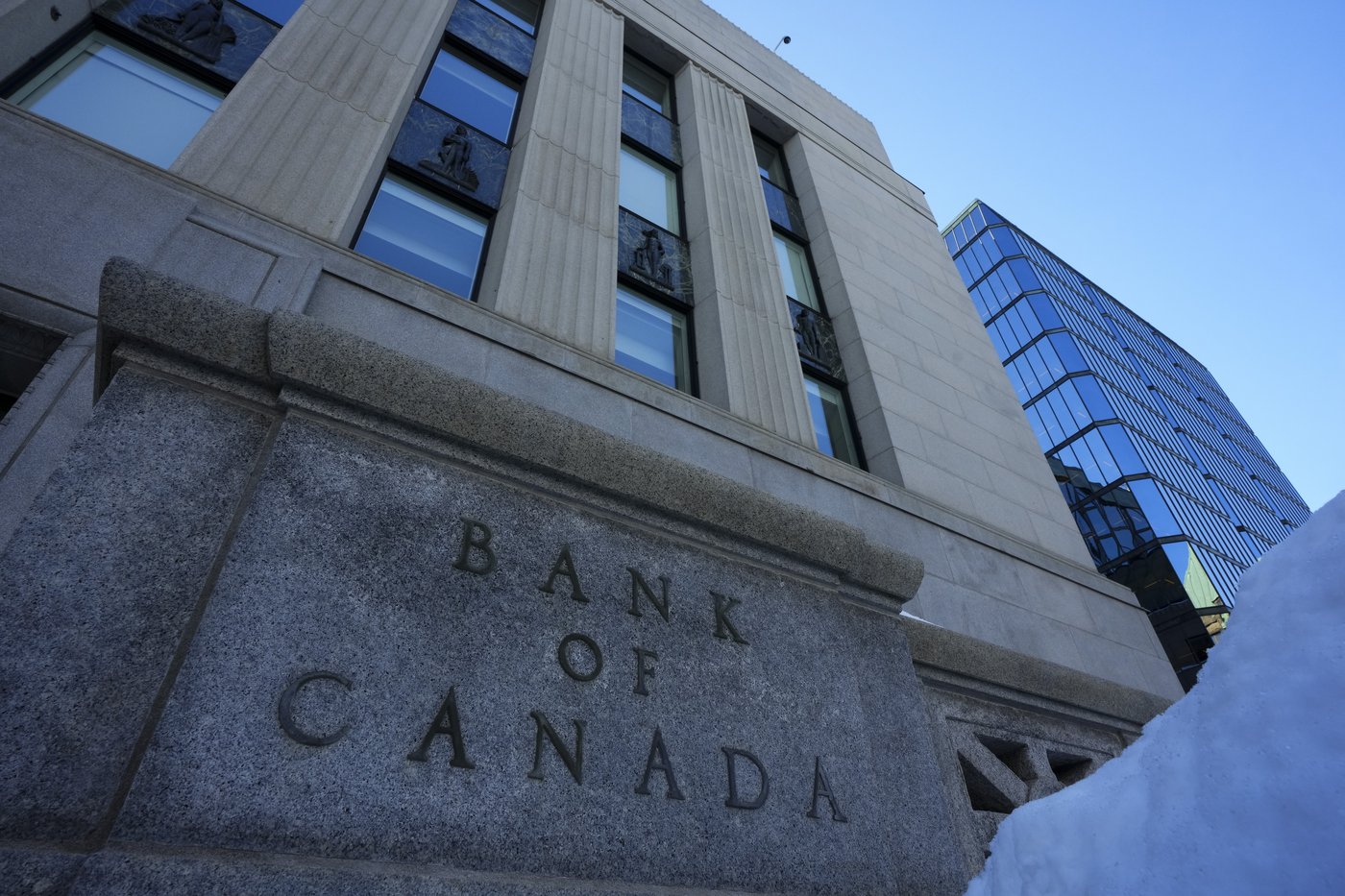
TORONTO — The Bank of Canada left its key interest rate unchanged Wednesday as it signalled the 2.25 per cent level is about right to balance keeping inflation in check with helping the economy grow.
The hold comes after both jobs gains and economic growth have surprised to the upside recently, firming up the bank’s position that further cuts aren’t necessary at this time, as well as market expectations that there will be no further rate changes in the near term.
At a press conference Wednesday, Bank of Canada governor Tiff Macklem said the economy remains resilient as overall tariff levels on goods going to the U.S. remain low, but that the path forward is unclear.
“Uncertainty remains high, and the range of possible outcomes is wider than usual,” he said.
“The volatility we’re seeing in trade and quarterly GDP make it more difficult to assess the underlying momentum of the economy.”
The comments come after the Canadian economy posted a surprise 2.6 per cent annualized jump in the third quarter, while the unemployment rate dropped 0.4 percentage points to 6.5 per cent in November.
Macklem said the gains reflect trade-related volatility, but that the central bank’s outlook is still that hiring intentions will be muted across the economy and GDP growth will be moderate next year.
“There is some resilience to the economy. What I would say though is, looking forward, it hasn’t fundamentally changed our view. The Canadian economy is going through a difficult structural adjustment. That is going to take some time.”
The bank said ongoing economic slack would help offset trade challenges to keep CPI close to its two per cent target going forward.
The overall commentary from the Bank of Canada indicates no imminent changes to the rate, said TD senior economist Andrew Hencic in a note.

“The hold here was widely expected, and we maintain the view that the balance of risks to the outlook will have the bank on hold in the coming months.”
The bank could hold for all of 2026 before starting to hike in 2027, said Michael Davenport, senior economist at Oxford Economics.
“We continue to believe the next move by the BoC will likely be a hike, but we don’t anticipate the start of a new monetary tightening cycle anytime soon,” he said in a note.
“Like most aspects of the outlook for 2026, the path ahead for the BoC will likely hinge on U.S.-Canada trade policy and the upcoming renegotiation of the USMCA.”
Macklem said trade issues, including the upcoming review of the trade deal, continue to weigh on business investment, though the impacts are being especially felt in targeted sectors like steel, aluminum, autos and lumber.
“Those sectors have been hit hard, but we haven’t seen big spillovers to the rest of the economy.”
Economic revisions to GDP growth in past years also help explain the resilience of the economy, showing stronger consumption, business investment and productivity growth.
“So as we came into this year, the economy, was healthier than was previously reported.”
The Bank of Canada lowered its key interest rate by one percentage point this year, following a series of cuts last year that brought the rate down from five per cent in the early part of 2024.
This report by The Canadian Press was first published Dec. 10, 2025.
News from © The Canadian Press, . All rights reserved.
This material may not be published, broadcast, rewritten or redistributed.

Want to share your thoughts, add context, or connect with others in your community?
You must be logged in to post a comment.