Elevate your local knowledge
Sign up for the iNFOnews newsletter today!
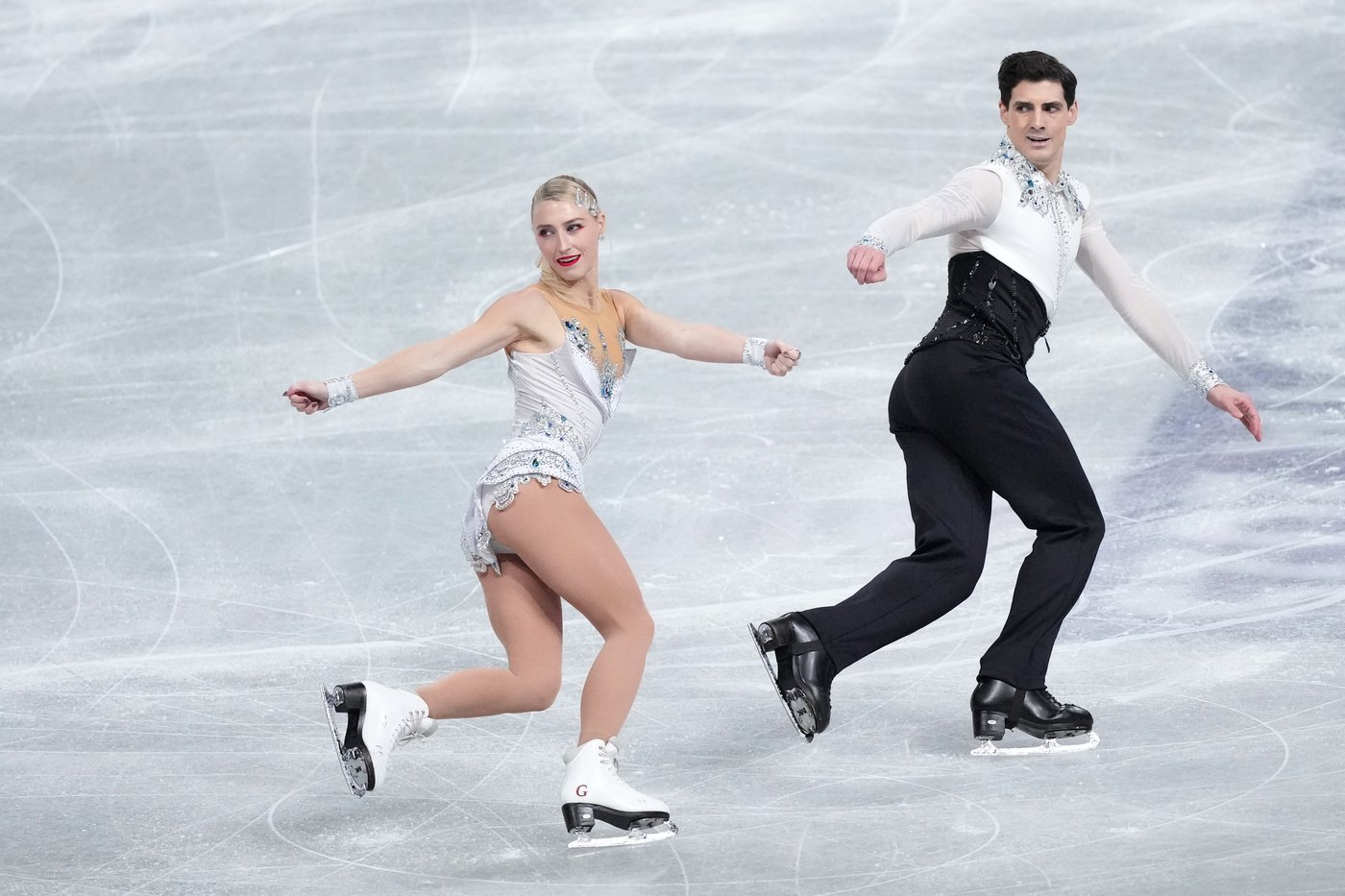
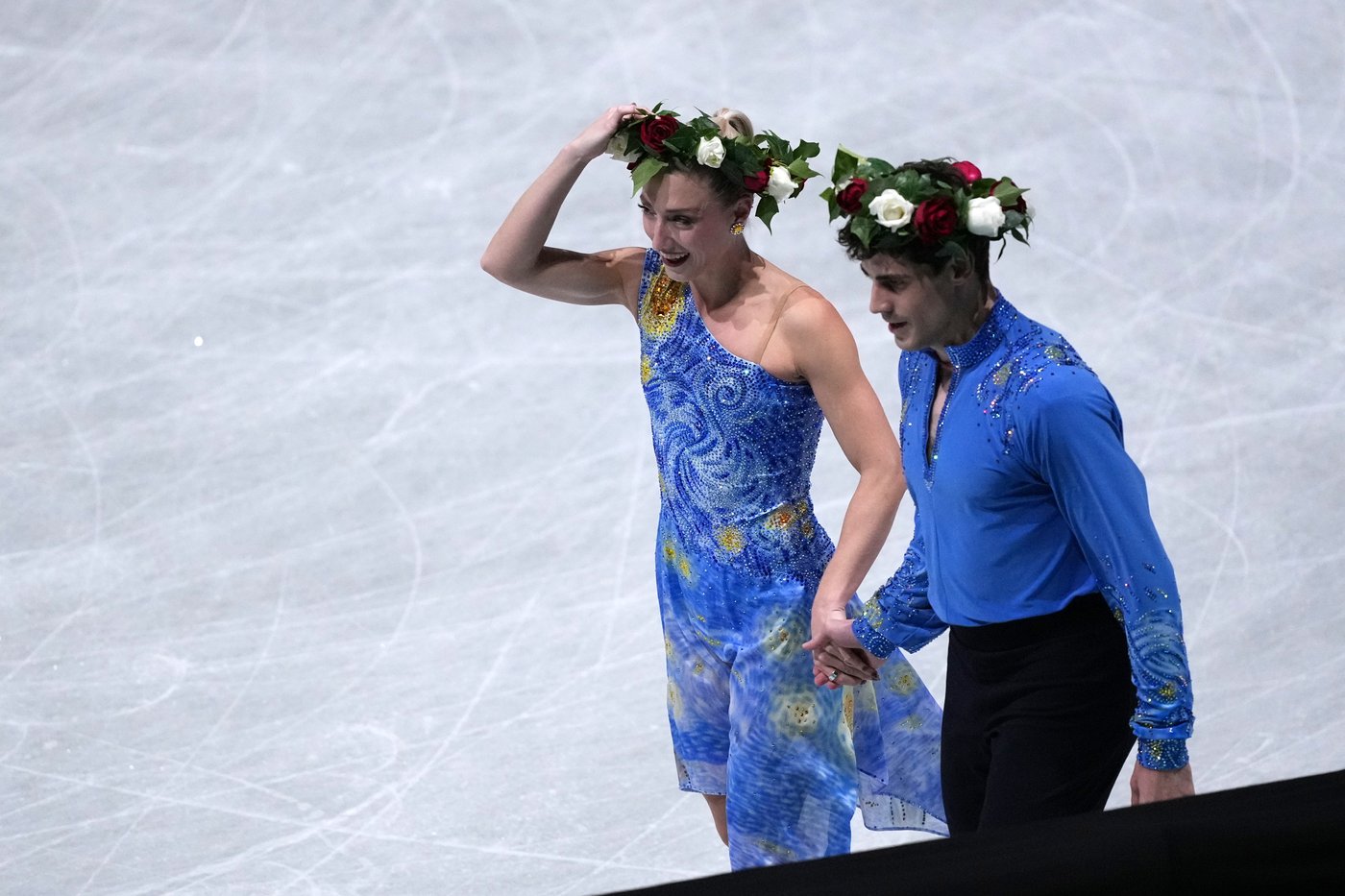
TORONTO (AP) — Piper Gilles shook her head as the scores popped up on the screen.
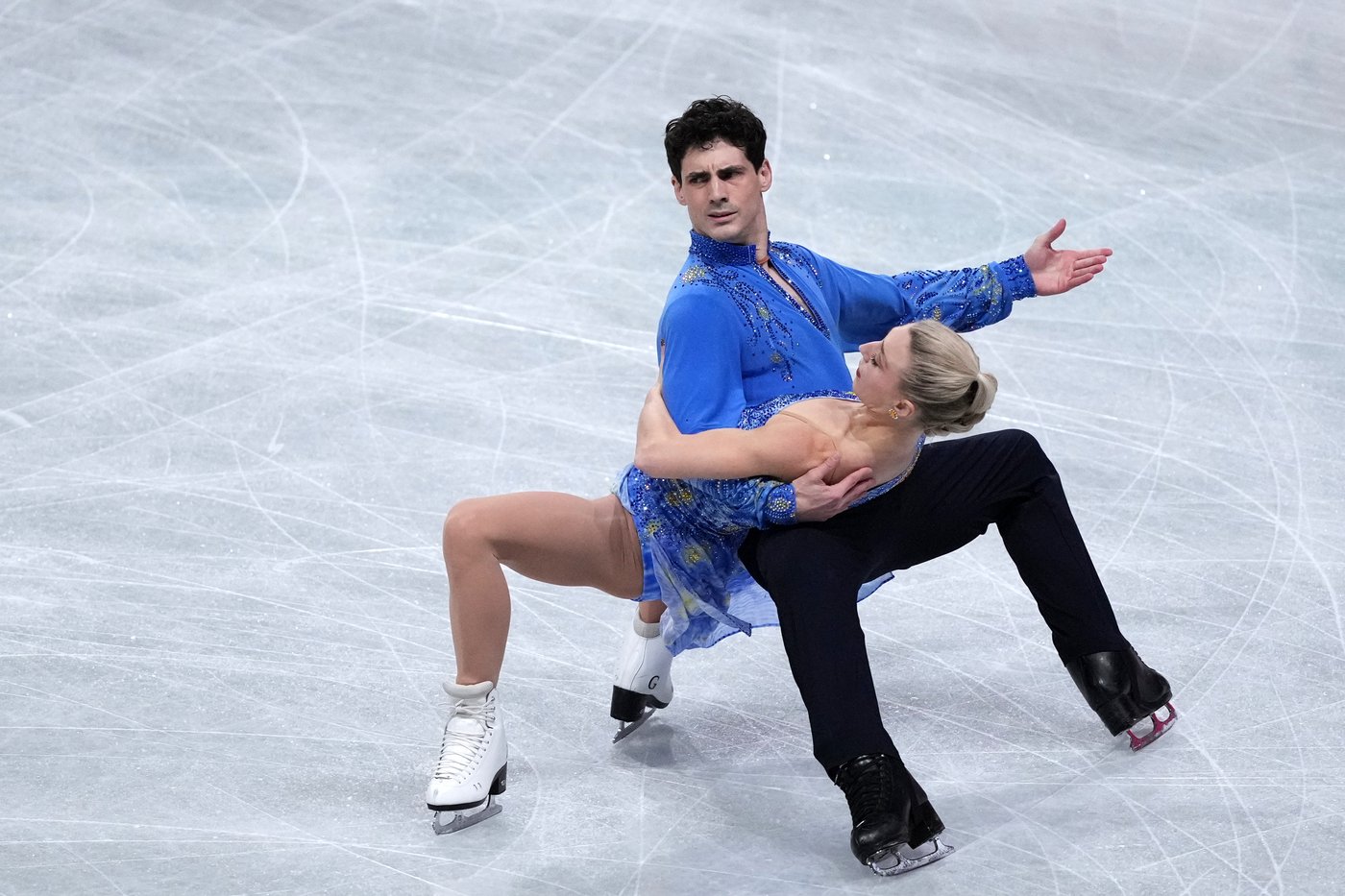
She and Paul Poirier had just delivered their cleanest free dance of the season at the Grand Prix Final in Nagoya, Japan. The kind of skate that has landed the Canadian duo on the world championship podium three years in a row.
Yet the judges saw it differently — and the marks weren’t enough to bring home a medal.
“It definitely is disheartening. We can’t lie, we’re human,” Gilles said. “We skated two successful programs, and we emotionally and physically felt so in shape and powerful in those moments, (only) to kind of be left questioning what we’re doing, Is it enough?”
The veteran ice dancers dropped from third after the rhythm dance to fourth following the free, finishing 0.06 points behind British pair Lilah Fear and Lewis Gibson in the season’s first head-to-head competition between the world’s top six teams.
After the event, Gilles posted a quote on social media about athletic truths being “diminished and manipulated by people with agendas,” and tagged the International Skating Union.
Her husband, Nathan Kelly, replied to an ISU Instagram post saying he was disillusioned with the results. And even the Gilles’ dog account chimed in, siding with another dog account that questioned the judging.
A couple days later, Gilles addressed her fans directly, saying she was grateful for her team, partner, family and supporters despite the disappointing result.
“The ISU and the state of ice dance can’t take any of those things from me!” she wrote.
Gilles said she felt some fear criticizing the sport’s governing body — she’d also questioned the judging at last month’s Finlandia Trophy after the technical panel’s scores puzzled much of the figure skating community — but she felt compelled to speak up.
“I felt like I needed to state that and let my emotions fly a little bit,” Gilles said in a phone interview with The Canadian Press. “Having my dog comment on another dog, I think that was kind of a humorous play, but I understand how that could have looked bad.
“But I am proud about speaking out and sharing my concern because if no one does it, nothing will change.”
As Canada’s top hope for a figure skating medal at the upcoming Milan Cortina Olympics, the stakes are high for Gilles and Poirier as they compete in their 15th and possibly final season.
The two-time reigning world silver medalists entered the season with expectations for a podium spot — and a shot at Olympic gold. Now their marks have dipped almost 12 points behind defending world champions Madison Chock and Evan Bates of the United States, and even a medal isn’t a sure thing.
Poirier says vying for a place on the Olympic podium is already tough enough without second-guessing the judging system and wondering how the scoring is determined from one event to the next.
“The benchmark is always moving,” he said. “Makes it really difficult for us to understand where the room for improvement lies.
“The thing that we’re seeking the most, that the athletes are seeking the most, is clarity and consistency across events.”
Gilles and Poirier aren’t the only skaters voicing concerns. French Olympic champion Guillaume Cizeron, who won silver at the GP Final with Canadian partner Laurence Fournier Beaudry, also spoke out after their rhythm dance at Finlandia Trophy.
“I see some strange games being played that are destroying ice dance,” Cizeron said. “I don’t think I’ve ever been to a competition like this in my career, from a judging standpoint.”
Concerns about fairness in ice dance are hardly new. It is figure skating’s most subjective discipline, particularly vulnerable to politics and judging bias.
At the 1998 Nagano Olympics, one judge was recorded trying to predetermine the results, and the scandal that initially cost Canadian duo Jamie Salé and David Pelletier gold in 2002 supposedly stemmed from a vote-trading deal between a pairs judge and ice dance judge. That corruption hurt the sport’s credibility and prompted the introduction of a new judging system.
Poirier said they’ve received feedback from various officials and have mapped out a “strong strategy” with Skate Canada and their coaches heading into the second half of the season.
“We have a really clear vision of who we are as skaters and what we want to present out on the ice,” he said, “and so we want to create the best opportunity for ourselves at the Olympic Games.”
___
AP Winter Olympics at https://apnews.com/hub/milan-cortina-2026-winter-olympics
News from © The Associated Press, . All rights reserved.
This material may not be published, broadcast, rewritten or redistributed.

This site is protected by reCAPTCHA and the Google Privacy Policy and Terms of Service apply.
Want to share your thoughts, add context, or connect with others in your community?
You must be logged in to post a comment.