Elevate your local knowledge
Sign up for the iNFOnews newsletter today!
Sign up for the iNFOnews newsletter today!
Selecting your primary region ensures you get the stories that matter to you first.
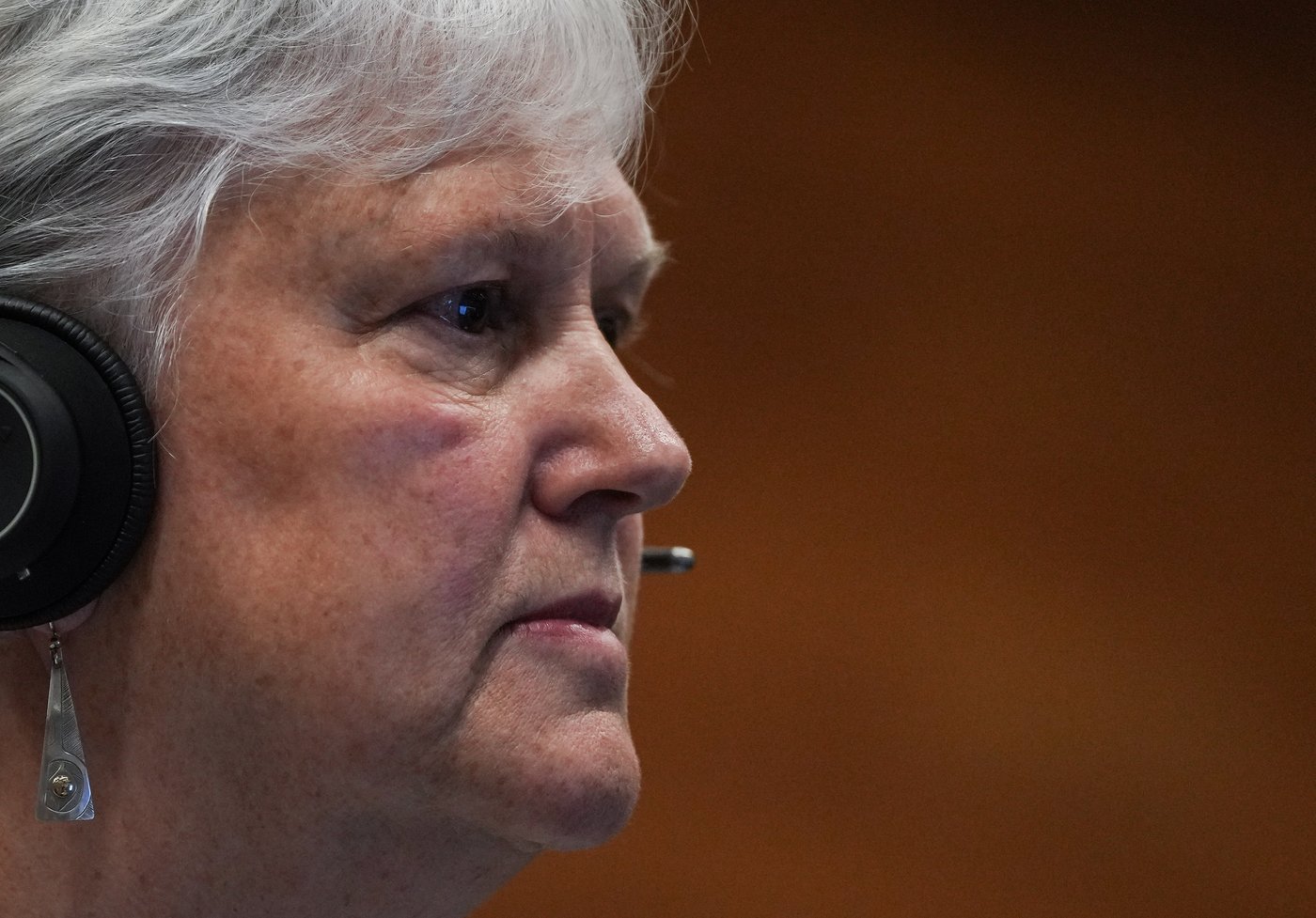
VICTORIA — Two independent provincial officers in British Columbia have separately criticized a recent decision to release guidelines aimed at increasing involuntary care among youth.
B.C. Human Rights Commissioner Kasari Govender says she has “serious concerns” about the new guidelines, which she describes as “ignoring important evidence on the ineffectiveness of involuntary care,” especially when robust voluntary services are absent.
B.C. Representative for Children and Youth Jennifer Charlesworth says the province should modernize the Mental Health Act to better address the unique needs of young people living with mental health challenges.
Charlesworth says almost 3,000 B.C. youth are involuntarily detained under the Mental Health Act each year.
The criticisms come after the province last week announced it is issuing guidance to physicians on providing involuntary care to youth, directing them to connect with parents as soon as the patient shows up with an impaired ability to engage in care.
Dr. Daniel Vigo, B.C.’s chief scientific adviser for psychiatry, toxic drugs and concurrent disorders, said during the announcement that intervention is needed to prevent brain damage and death, and involuntary care with parental consent minimizes the disruption to a child’s life.
Charlesworth says the new guidelines, along with possible expansion of involuntary care, underscore a need for “strengthened legal safeguards” for youth, and a “robust network” of voluntary support is also needed.
“Current legislation is woefully inadequate for the challenges we face now,” she says in the report.
“While I recognize the need for involuntary care in specific situations, I am extremely concerned that young people and their families are not being provided with the services they need both before and after this extreme measure.”
She says the government’s assertion that services are standing at the ready is “simply not true.”
Govender, who had previously criticized the province’s shift toward expanding involuntary care, says in her statement while she does not oppose the measure as a “last resort in appropriate circumstances where it can actually help people,” overreliance on involuntary detentions puts youths at further risk.
“Involuntary care can be an important tool when urgently required to prevent serious harms, where the evidence shows that a particular mental disorder may be alleviated through such care,” she says.
“However, it is irresponsible to encourage further reliance on this already greatly used system when the government has not pointed to strong evidence supporting the involuntary detention of young people dealing with substance use and dependence.”
Govender also says evidence from previous reports shows youth may be at a higher risk of harm and death post-release from involuntary care.
She says she is open to discussing the Mental Health Act with Vigo and provincial ministries. She also supports Charlesworth’s recommendations that attention needs to be paid to modernizing the Mental Health Act to make sure youths are protected.
A comprehensive review of the Mental Health Act was announced last spring.
This report by The Canadian Press was first published Dec. 12, 2025.
News from © The Canadian Press, . All rights reserved.
This material may not be published, broadcast, rewritten or redistributed.

This site is protected by reCAPTCHA and the Google Privacy Policy and Terms of Service apply.
Want to share your thoughts, add context, or connect with others in your community?
You must be logged in to post a comment.