Elevate your local knowledge
Sign up for the iNFOnews newsletter today!
Sign up for the iNFOnews newsletter today!
Selecting your primary region ensures you get the stories that matter to you first.
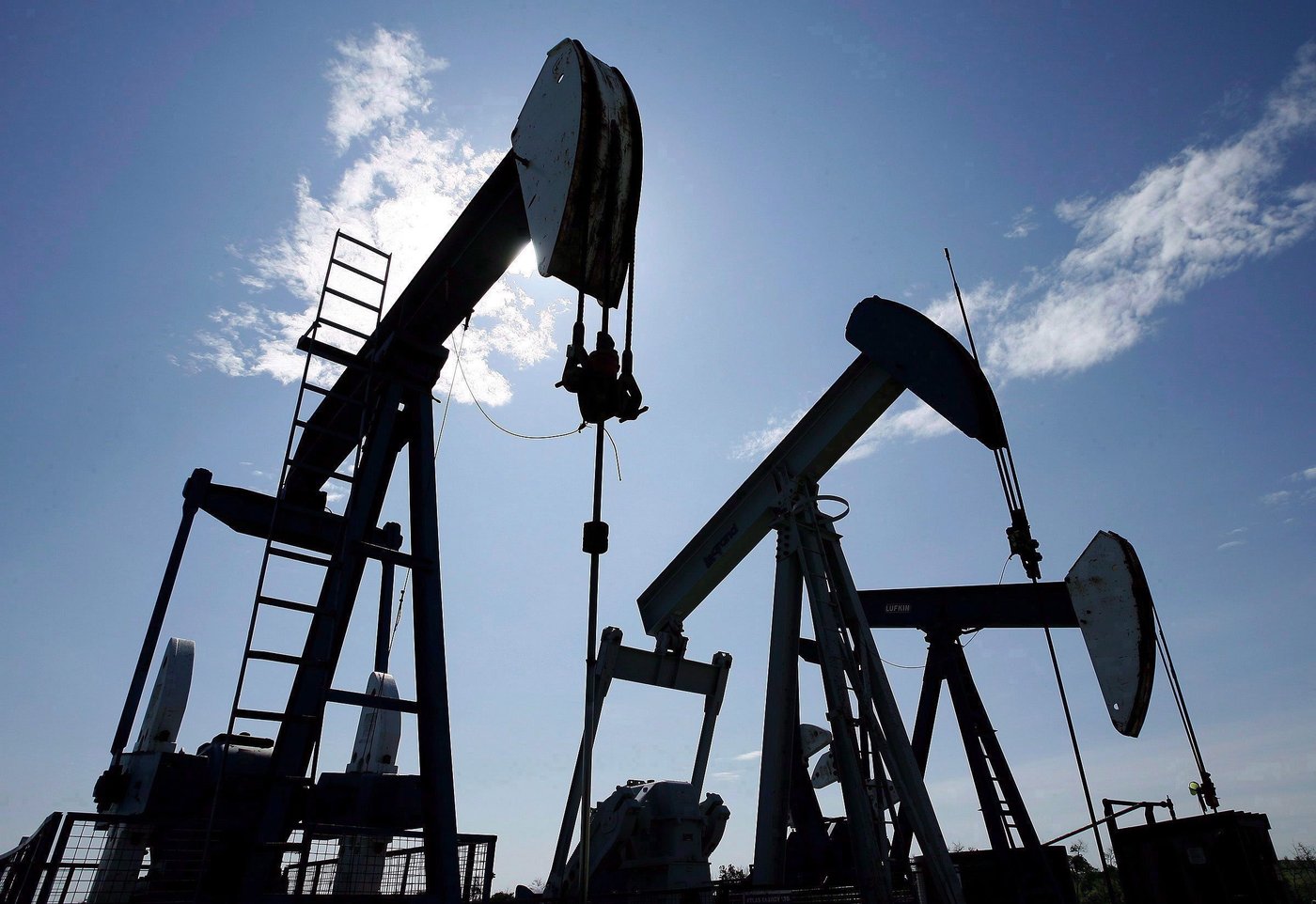
OTTAWA — The federal government is announcing new regulations to cut methane emissions from the oil and gas sector and landfills.
A federal document says the new rules for oil and gas operators, which expand on regulations introduced in 2018, strengthen leak detection and repair requirements and set new standards on venting.
The new rules apply to upstream production, processing and transmission facilities in Canada’s onshore oil and gas sector, including gas plants and pipelines.
The document says the regulations will be phased in starting Jan. 1, 2028, and will help the Canadian oil and gas industry with producing “low-methane intensity products and supporting long-term success in a technologically advanced, decarbonizing industry.”
The government estimates that between 2028 and 2040 it will see a cumulative greenhouse gas emissions reduction of 304 megatonnes of carbon dioxide equivalent.
New landfill methane regulations will also require owners and operators of regulated landfills to monitor the landfill surface, landfill gas recovery wells and equipment used to control landfill methane emissions.
The federal government estimates that landfills accounted for 17 per cent of Canada’s methane emissions and three per cent of its greenhouse gas emissions in 2023. It says the regulations will allow for early detection of methane emissions and leaks that must be repaired within specified timelines.
By 2040, the regulations are expected to reduce greenhouse gas emissions by 100 megatonnes of carbon dioxide equivalent.
“This announcement is about building the strong economy of the future,” Environment Minister Julie Dabrusin said at a press conference in Burnaby, B.C. Tuesday. “One that is cleaner, more competitive and more resilient.”
In addition to the new regulations, the government is also announcing nearly $16 million in funding for investment in methane emission reduction technologies across Canada.
Methane is a greenhouse gas more than 80 times more potent than carbon dioxide over a 20-year span, but its lifetime in the atmosphere is up to a dozen years versus centuries for CO2.
The oil and gas sector is Canada’s biggest emitter of methane, the main component of natural gas. The gas can escape into the atmosphere through intentional venting, unintentional leaks from equipment and through inefficient burning.
Methane emissions reductions have been touted as one of the lower-cost tools in the climate-change-fighting tool box. The International Energy Agency said in a 2024 report that the amount of global investment needed to cut methane emissions by 75 per cent by 2030 would amount to less than five per cent of the US$2.4 trillion in net income the oil and gas industry generated in 2023.
The cost of meeting Canada’s existing draft methane targets has been pegged at $15.4 billion between 2027 and 2040.
Ottawa and Alberta announced a sweeping energy accord late last month, with the federal and provincial governments agreeing to extend by five years the timeline for the oil and gas sector to reduce its methane emissions. Draft federal regulations had called for a cut of 75 per cent from 2012 levels by 2030.
The memorandum of understanding would see the two orders of government enter into an equivalency agreement before April 1 with a 2035 target date to reduce emissions by 75 per cent over 2014 levels.
Amanda Bryant, senior analyst at clean energy think tank Pembina Institute, says Canada’s updated methane regulations are “well-designed” and are the product of an exhaustive three-year consultation with stakeholders, including the oil and gas industry and producing provinces such as Alberta.
“Unfortunately, the recent memorandum of understanding between Ottawa and Alberta — which surprisingly delayed reductions for Alberta’s oil and gas industry by five extra years — makes today’s announcement less meaningful than it would otherwise be,” Bryant says.
“This is a carve-out which, according to our modelling, could result in an additional 1.9 million tonnes of methane into the atmosphere, equivalent to 53 million tonnes of carbon dioxide. That’s the same as the annual pollution from roughly half the cars on Canada’s roads.”
Bryant urged the federal government to use the new federal regulations as the “yardstick” against which it assesses any proposals for reducing methane presented by Alberta during negotiations.
“As by far the largest producer of oil and gas, Alberta is the province where methane regulations would have the greatest effect,” Bryant said. “British Columbia is already proving that methane can be reduced without negatively impacting the oil and gas industry.”
Rebecca Schulz, Alberta’s minister of environment and protected areas, said Alberta and the federal government agreed to complete a methane equivalency agreement on or before April 1, 2026, with a 2035 target date and a 75 per cent reduction target relative to 2014 emissions levels.
She said she received a letter from Dabrusin this week confirming the timelines and targets in the agreement and the federal government’s intent to complete a “long-term equivalency agreement that will give Alberta industry certainty to 2035.”
“As we have in the past, Alberta will focus on practical and flexible methane reduction solutions that enable our industry to stay competitive,” Schulz said.
“This will include following up on the agreement between the governments to utilize third-party emissions monitoring to provide transparency and certainty to industry.”
This report by The Canadian Press was first published Dec. 16, 2025.
— With files from Lauren Krugel in Calgary
News from © The Canadian Press, . All rights reserved.
This material may not be published, broadcast, rewritten or redistributed.

This site is protected by reCAPTCHA and the Google Privacy Policy and Terms of Service apply.
Want to share your thoughts, add context, or connect with others in your community?
You must be logged in to post a comment.