Elevate your local knowledge
Sign up for the iNFOnews newsletter today!
Sign up for the iNFOnews newsletter today!
Selecting your primary region ensures you get the stories that matter to you first.
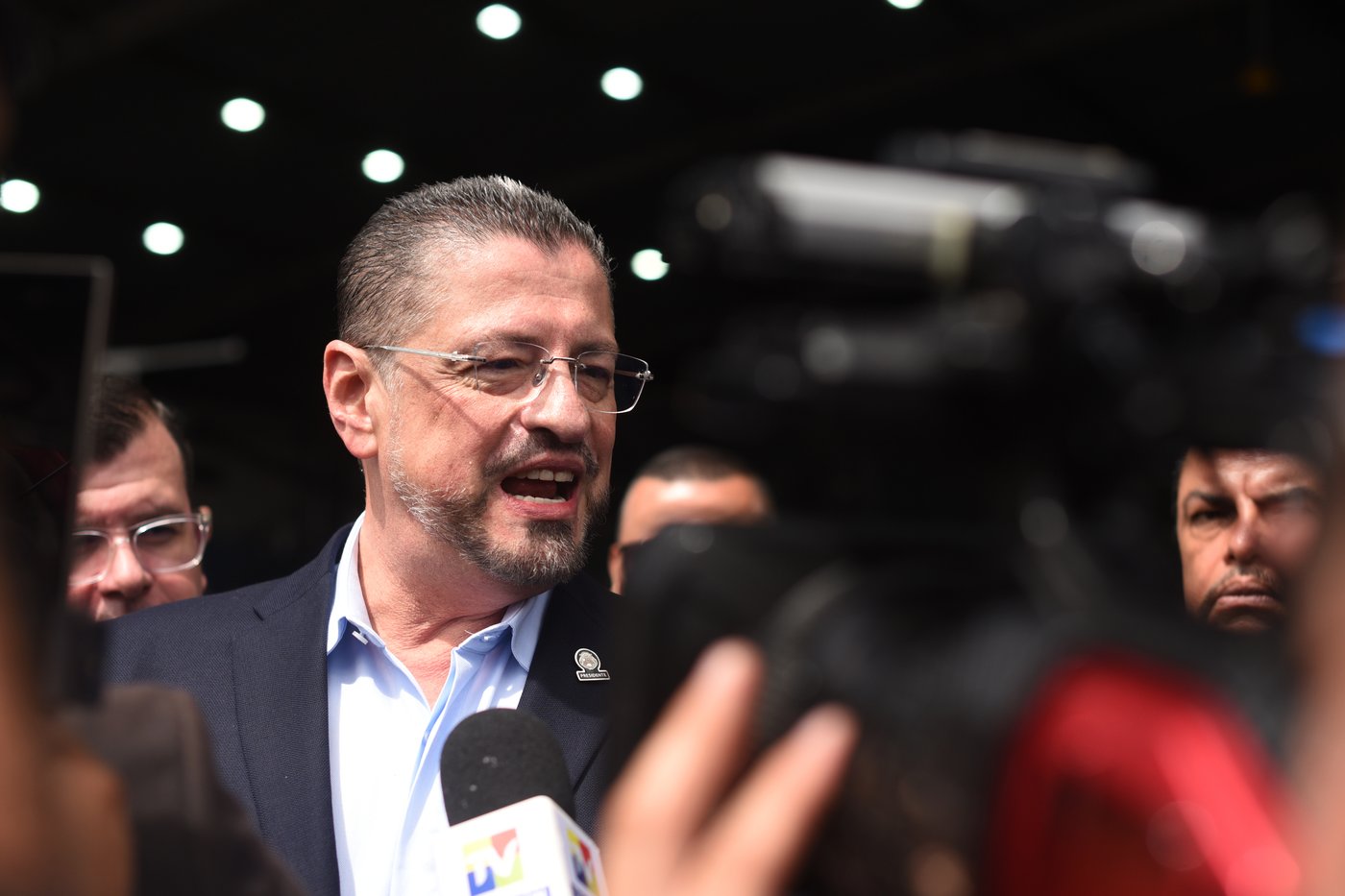
SAN JOSE, Costa Rica (AP) — Costa Rica’s legislature on Tuesday blocked an effort by the country’s electoral authority to make President Rodrigo Chaves face charges that he has been using his power to meddle in upcoming elections.
The legislature rejected a request by the Supreme Electoral Tribunal to strip Chaves of protections that shield sitting presidents from prosecution.
The tribunal is seeking to prosecute him on accusations that Chaves repeatedly violated a Costa Rican law baring the president from commenting on elections or expressing support for any political group, including his own party.
Chaves denied any wrongdoing ahead of the Central American nation’s February elections and says he is the victim of a politically motivated prosecution.
He survived a similar vote in September, when the Costa Rica’s Supreme Court sought to strip him of immunity to investigate him on corruption charges.
Chaves has won these votes largely due to his ruling Social Democratic Progress Party and its allies’ power in congress. During a lengthy debate, Pilar Cisneros, a leader of the ruling party in congress, insisted that Chaves was innocent of any crime.
“Has President Chaves ever mentioned a candidate or a party for which to vote? No, he has not,” she said. “He cannot be condemned for a crime that does not exist.”
Opposition lawmakers countered that Chaves has repeatedly used his weekly press conferences to promote the idea that the next government should have more lawmakers representing it in congress, framing it as a clear attempt to influence the upcoming vote.
Chaves’ party does not have a majority and regularly has to scrape together votes from other parties to pass his agenda.
Shortly after the decision, Costa Rica’s electoral authority confirmed that the case against Chaves would be “temporarily suspended” but that “it will resume once Mr. Chaves Robles’ immunity expires at the end of his presidential term on May 8.”
Chaves is not eligible for a second term, as Costa Rican law bars sitting presidents from serving consecutive terms.
Public officials found to have violated neutrality rules can face penalties ranging from dismissal to a two- to four-year ban on holding public office.
News from © The Associated Press, . All rights reserved.
This material may not be published, broadcast, rewritten or redistributed.

This site is protected by reCAPTCHA and the Google Privacy Policy and Terms of Service apply.
Want to share your thoughts, add context, or connect with others in your community?
You must be logged in to post a comment.