Elevate your local knowledge
Sign up for the iNFOnews newsletter today!
Sign up for the iNFOnews newsletter today!
Selecting your primary region ensures you get the stories that matter to you first.
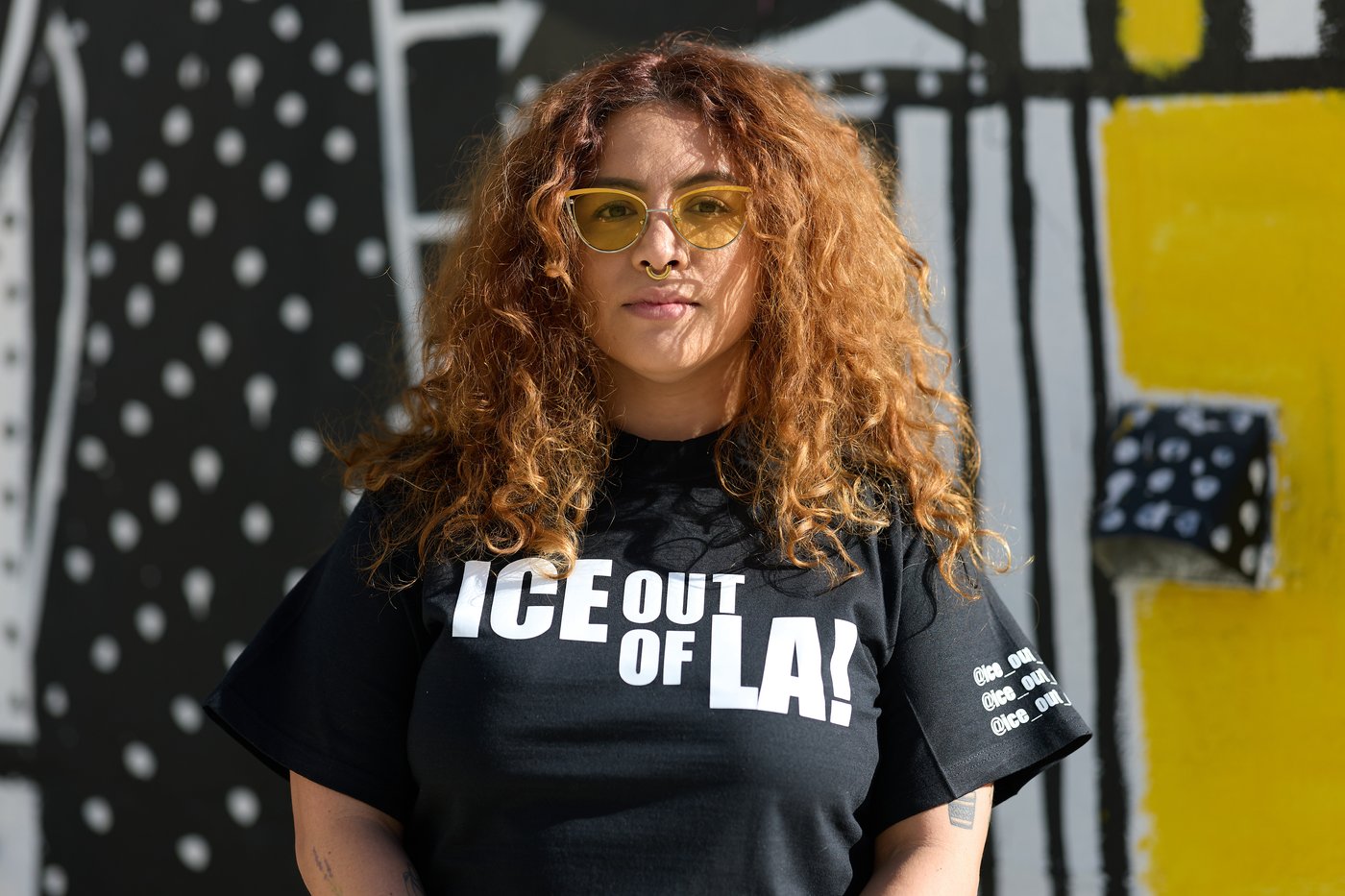
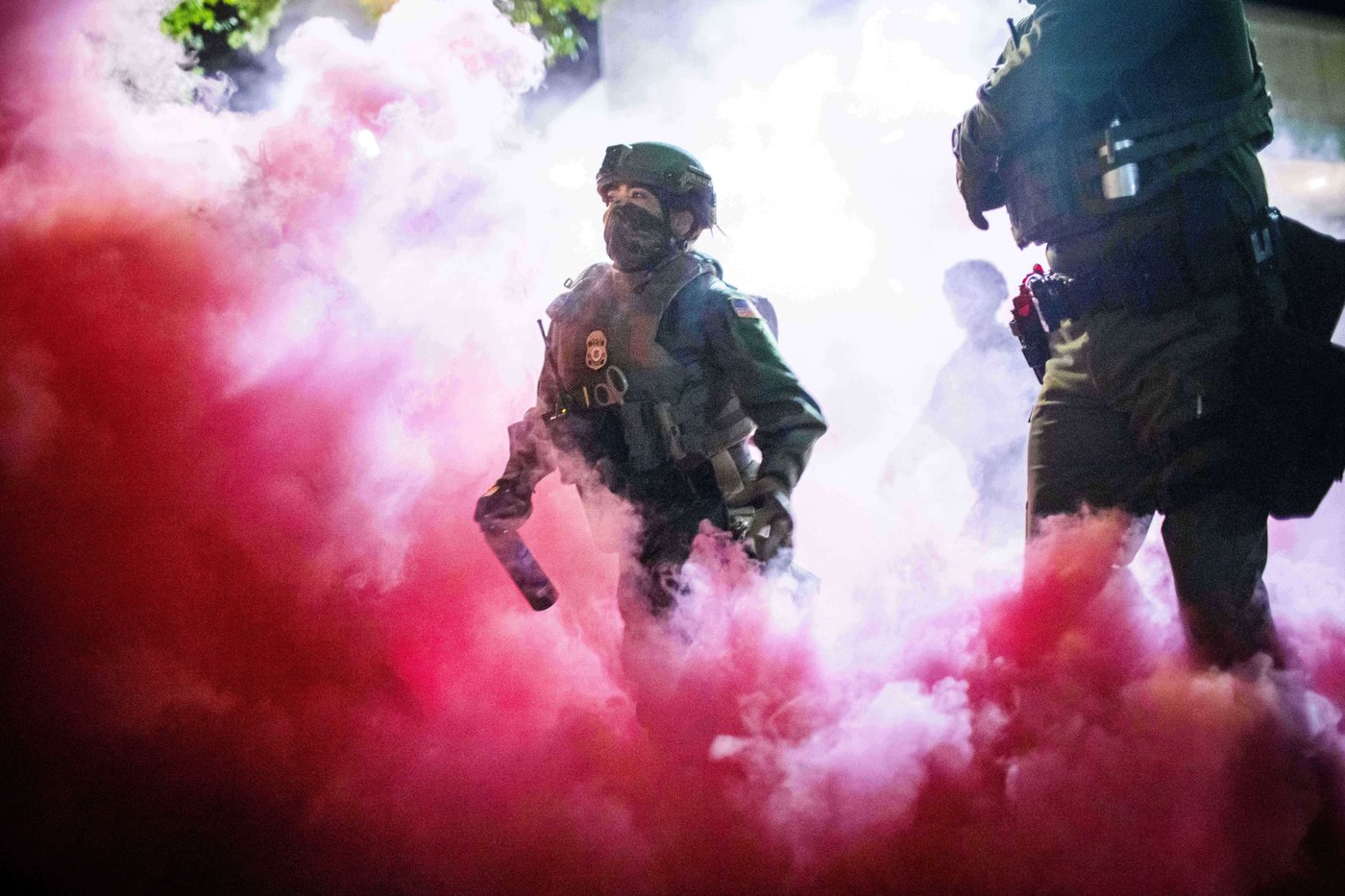
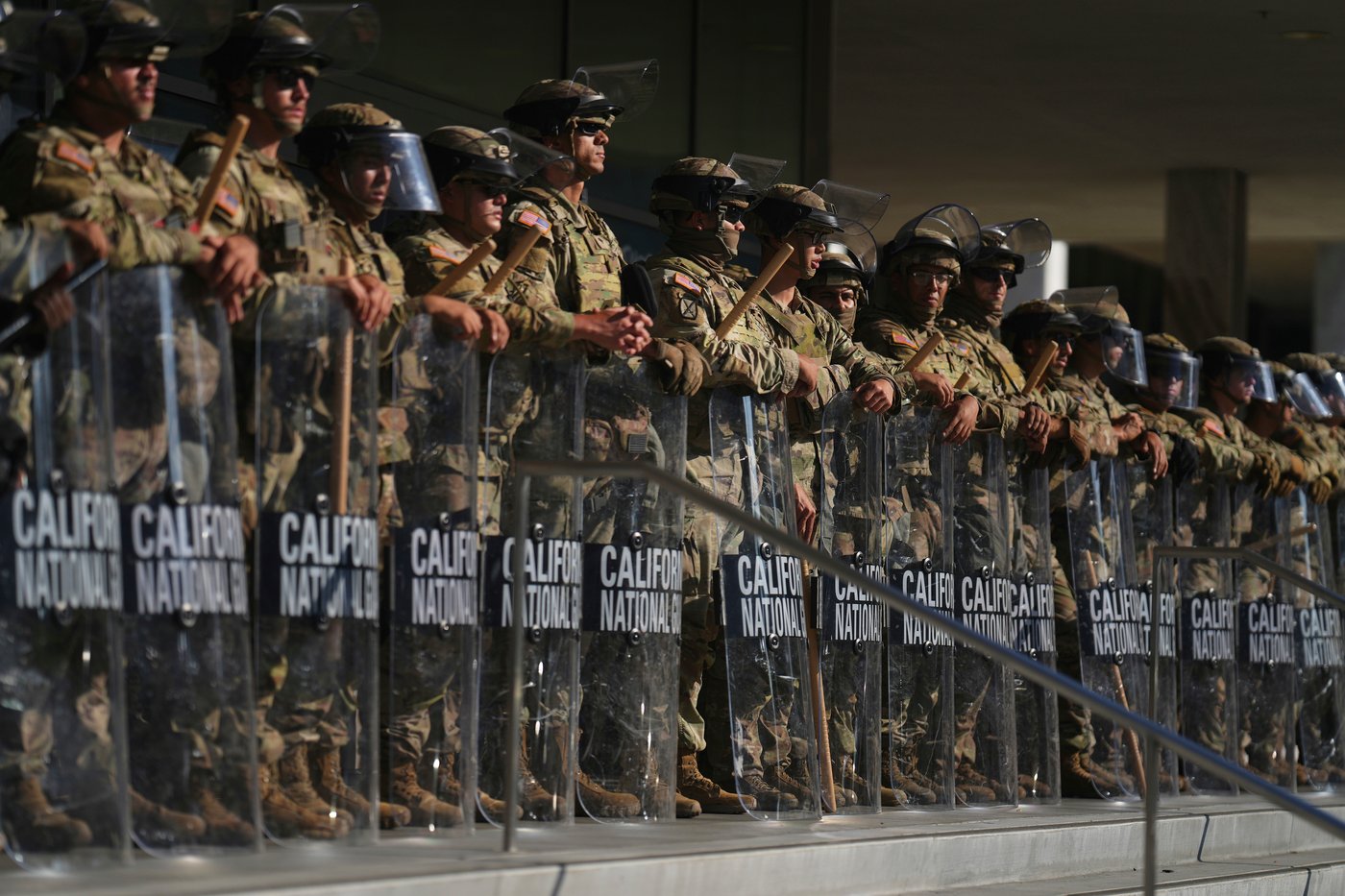
WASHINGTON (AP) — The Justice Department has launched a months-long effort to prosecute people accused of assaulting or hindering federal officers while protesting President Donald Trump’s immigration crackdown and military deployments. Attorney General Pam Bondi has vowed such offenders will face “severe consequences.”
In a review of scores of criminal prosecutions brought by federal prosecutors, The Associated Press found that the Justice Department has struggled to deliver on Bondi’s pledge.
An analysis of 166 federal criminal cases brought since May against people in four Democratic-led cities at the epicenter of demonstrations found that aggressive charging decisions and rhetoric painting defendants as domestic terrorists have frequently failed to hold up in court.
“It’s clear from this data that the government is being extremely aggressive and charging for things that ordinarily wouldn’t be charged at all,” said Mary McCord, a former federal prosecutor who is the director of Georgetown University Law Center’s Institute for Constitutional Advocacy. “They appear to want to chill people from protesting against the administration’s mass deportation plans.”
Here are some key findings from the AP’s analysis:
Dozens of felonies evaporated
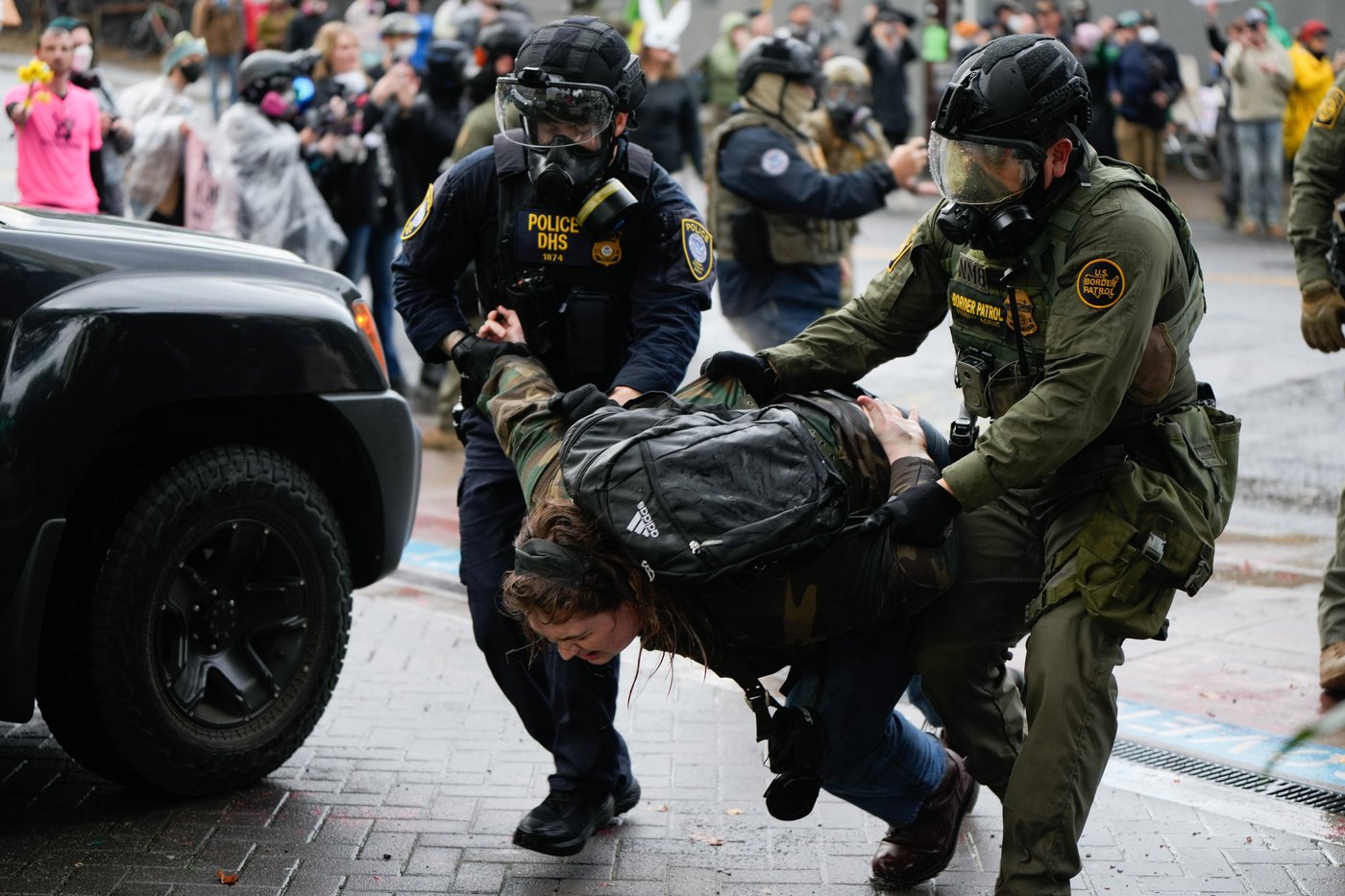
Of 100 people initially charged with felony assaults on federal agents, 55 saw their charges reduced to misdemeanors, or dismissed.
Sometimes prosecutors failed to win grand jury indictments required to prosecute someone on a felony, the AP found. Videos and testimony called into question some of the initial allegations, resulting in prosecutors downgrading offenses.
In dozens of cases, officers suffered minor or no injuries, undercutting a key component of the felony assault charge that requires the potential for serious bodily harm.
One of the cases was against Dana Briggs, a 70-year-old Air Force veteran charged in September with assault after a protest in Chicago. After video footage emerged of federal agents knocking Briggs to the ground, prosecutors dropped a case they had already reduced to a misdemeanor.
Another case dropped by prosecutors was against 28-year-old Lucy Shepherd, who was charged with felony assault after she batted away the arm of a federal officer who was attempting to clear a crowd outside Portland’s Immigration and Customs Enforcement facility. Her lawyers argued a video of her arrest showed she brushed aside an officer with “too little force to have been intended to inflict any kind of injury.”
A Justice Department spokesperson said it will continue to seek the most serious available charges against those alleged to have put federal agents in harm’s way.
“We will not tolerate any violence directed toward our brave law enforcement officials who are working tirelessly to keep Americans safe,” said Natalie Baldassarre, a DOJ spokesperson.
Despite rhetoric, antifa rarely mentioned in court
The administration has deployed — or sought to deploy — troops to the four cities where AP examined the criminal cases: Washington, D.C, Los Angeles, Portland and Chicago. Trump and his administration have sought to justify the military deployments, in part, by painting immigration protesters as “antifa,” which the president has sought to designate as a “domestic terrorist organization.”
Short for “anti-fascists,” antifa is an umbrella term for far-left-leaning protesters who confront or resist white supremacists, sometimes clashing with law enforcement.
The AP’s review found a handful of references to “antifa” in court records in the cases it reviewed. The review found no case in which federal authorities officially accused a protester of being a “domestic terrorist” or part of an organized effort to attack federal agents.
Prosecutors have lost every trial
Experts said they were surprised the Justice Department took five misdemeanor cases to trial, given that such trials eat up resources. They were further shocked that DOJ lost all those trials.
“When the DOJ tries to take a swing at someone, they should hit 99.9% of the time. And that’s not happening,” said Ronald Chapman II, a defense attorney who practices extensively in federal court.
The highest-profile loss involved Sean Charles Dunn, a Washington, D.C., man who tossed a Subway-style sandwich at a Border Patrol agent he had berated as a “fascist.” Dunn was acquitted Nov. 6 after a two-day trial.
In Los Angeles, 32-year-old Katherine Carreño was acquitted on a misdemeanor assault charge stemming from an August protest outside a federal building.
Prosecutors had alleged she ignored an officer’s commands to move out of the way of a government vehicle and “raised her hand and brought it down in a slapping/chopping motion” onto the officer’s arm.
Social media video shown to jurors raised doubts about that narrative, showing an officer striding toward Carreño and pushing her back.
More than 50 cases are pending
Prosecutors have secured felony indictments against 58 people, some of whom were initially charged with misdemeanors. They are accused of assaulting federal officers in several ways, including by hurling rocks and projectiles, punching or kicking them and shooting them with paintballs. None have yet to go to trial.
From the start of Trump’s second term through Nov. 24, the Department of Homeland Security says there have been 238 assaults on ICE personnel nationwide. The agency declined to provide its list or details about how it defines assaults.
“Rioters and other violent criminals have threatened our law enforcement officers, thrown rocks, bottles, and fireworks at them, slashed the tires of their vehicles, rammed them, ambushed them, and even shot at them,” said Department of Homeland Security Assistant Secretary Tricia McLaughlin.
___
Ding reported from Los Angeles, Fernando from Chicago, Rush from Portland, Oregon, and Foley from Iowa City, Iowa.
___
Contact the AP’s global investigative team at Investigative@ap.org or https://www.ap.org/tips/

News from © The Associated Press, . All rights reserved.
This material may not be published, broadcast, rewritten or redistributed.

Want to share your thoughts, add context, or connect with others in your community?
You must be logged in to post a comment.