Elevate your local knowledge
Sign up for the iNFOnews newsletter today!
Sign up for the iNFOnews newsletter today!
Selecting your primary region ensures you get the stories that matter to you first.
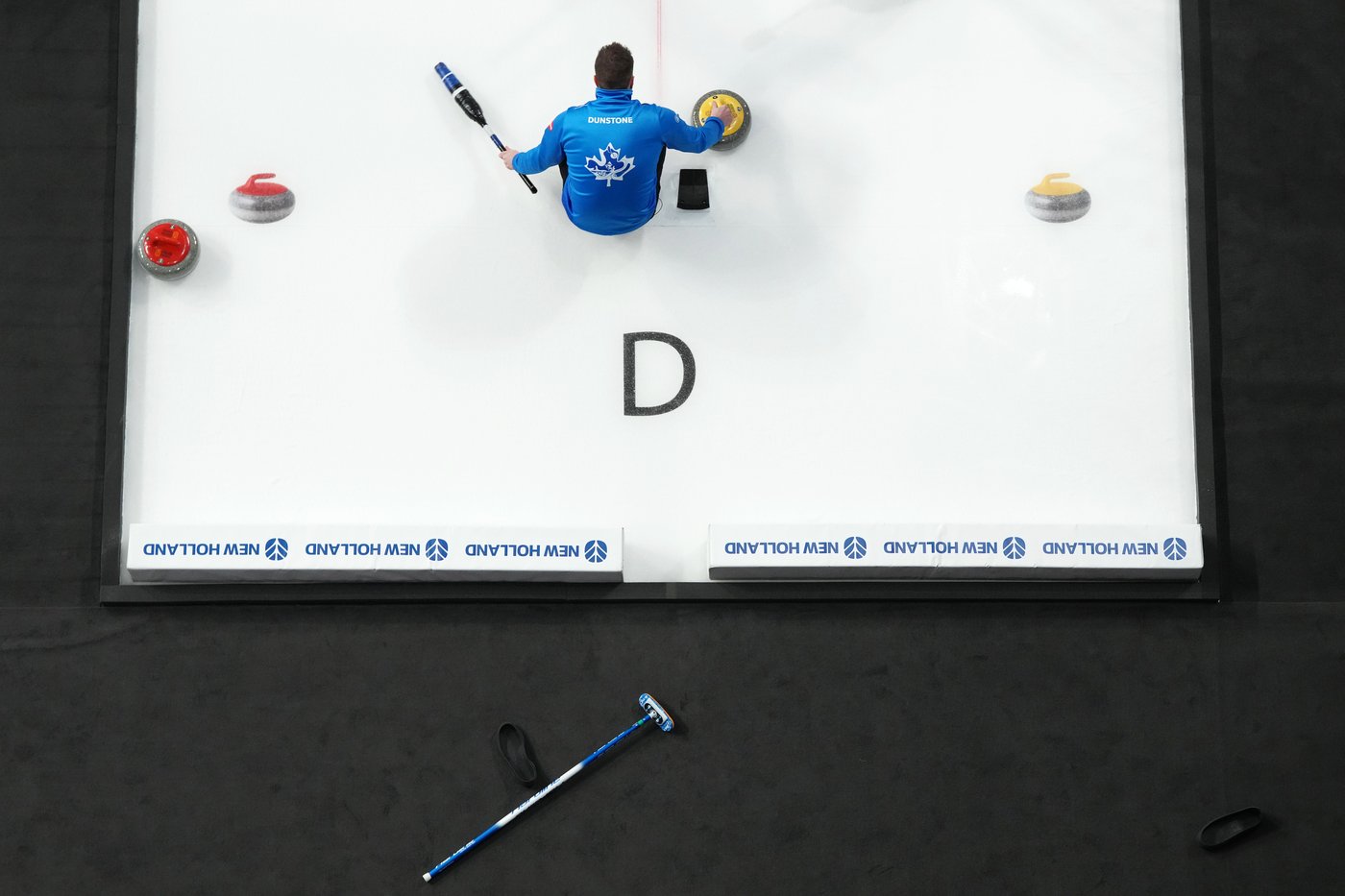
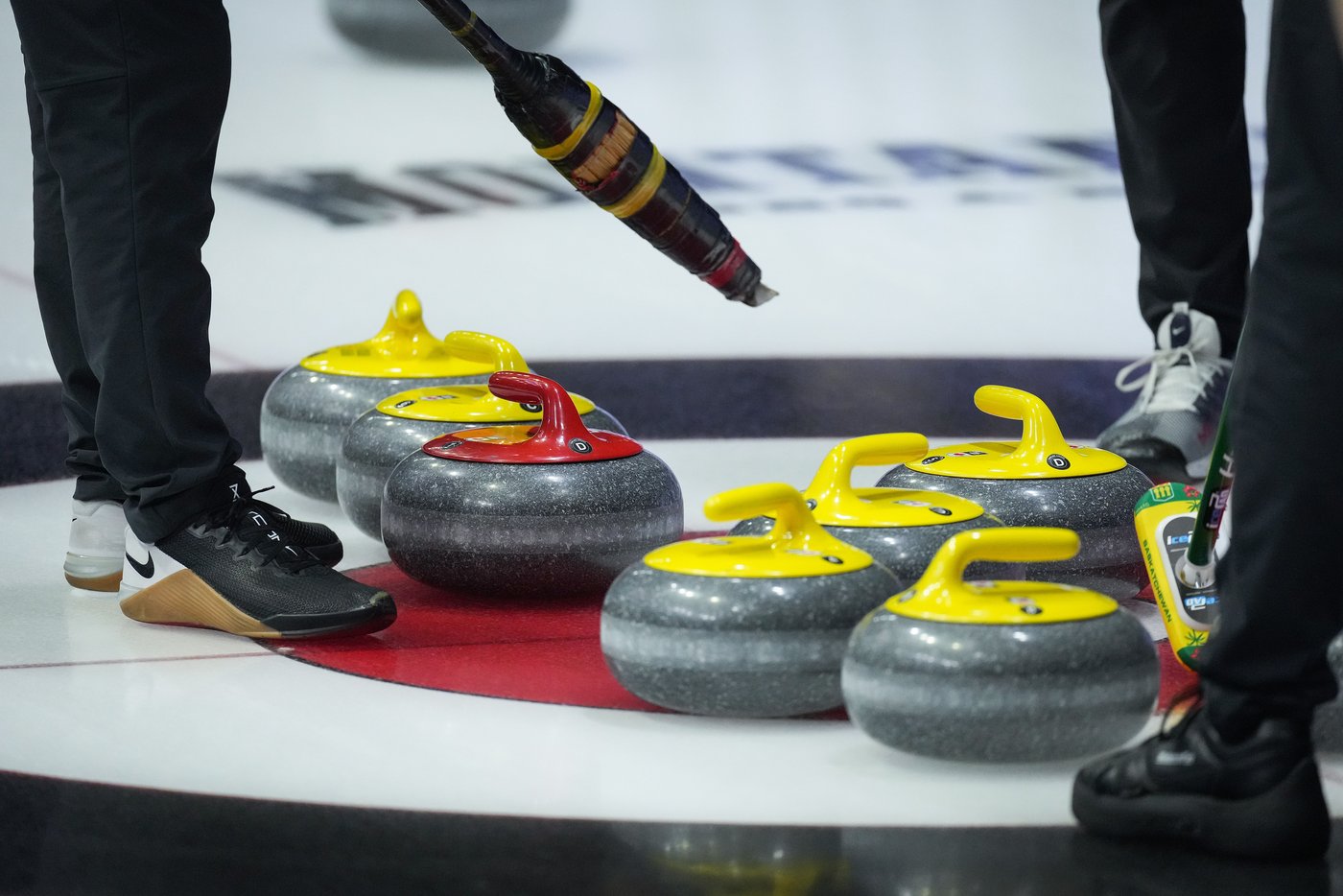
The Grand Slam of Curling continues to tinker with a draw-to-the-button shootout to replace extra ends, but the latter is making a comeback in Saskatoon this week.
A shootout was implemented for the preliminary round and tiebreakers at the season-opening AMJ Masters in September, and then expanded to include playoffs in October’s Co-op Tour Challenge and November’s Kioti GSOC Tahoe.
The change produced dramatic moments in big games. Swedish skip Anna Hasselborg drew to the button in a women’s semifinal in the Tour Challenge, but Canada’s Rachel Homan covered the pinhole to advance in Nisku, Alta.
Scotland’s Bruce Mouat outdrew Canada’s Matt Dunstone by three millimetres to take the men’s final in Tahoe.
Marketing — limiting the length of a game for TV, plus the buzz of a head-to-head element similar to that of NHL shootouts — were among reasons for implementing it.
Curlers have given it mixed reviews. A dozen teams representing nine countries at the HearingLife Canadian Open in Saskatoon are headed to the Olympic Games, which was a consideration in resurrecting extra ends for tiebreakers and playoffs there.
Round-robin games in Saskatoon retained the shootout to resolve ties. Playoffs start Saturday.
“A lot of these athletes are heading to the Olympics in February,” said world and Olympic champion Jennifer Jones, who is a member of The Curling Group that bought the Grand Slam circuit in 2024.
“It does change the strategy a little bit. Some players loved it. Some players didn’t like it at all. And some players said ‘I’m OK with it during the round robin, but in the playoffs, I want to have an extra end.’
“So listening to the feedback and trying to just balance all of the priorities.”
Extra ends for tiebreakers and playoffs will remain in the format for January’s Players’ Championship in Steinbach, Man., Jones said.
“At the end the season, as always, a survey is sent out to the players and you sit down and you figure out ‘OK, what worked, what didn’t and what are we going to do going forward?'” Jones said.
“I don’t know what’s going to happen going forward, but I think it was really worth trying.”
The Grand Slams have long been an incubator for adaptations in curling starting with eight-end games instead of 10.
The rule that a guard on, or partially on, the centre line can’t be touched until after five rocks are delivered was adopted by Curling Canada in 2023 after the Grand Slams started testing it in 2019.
The Grand Slams have also shrunk the window of “thinking time” a team has to complete an eight-end game to 30 minutes (plus two 90-second timeouts) from 31 minutes in the season-opener.
“The Grand Slam throughout my entire career, has always been a place where we’ve tried new things and tried to progress the game, advance the game and not be scared of changes,” Jones said.
Introduced in October’s Tour Challenge and continuing into HearingLife Canadian Open in Saskatoon, each team can blank an end only once per game. A second time means losing the hammer.
“No blank ends or one blank end showed us that there was more aggressive play,” Jones said. “The data is supporting kind of what the ultimate goal was, to try to make it more interesting and to ensure that when fans come to watch, they’re coming to watch an exciting game.”
—-
ROCK LEAGUE: The Curling Group announced Thursday the dates and locations for the launch of its Rock League.
The league announced earlier this year will feature six international teams representing global regions. Each roster consists of five men and five women and up to four imports are allowed per team.
Rachel Homan and Brad Jacobs, who will skip Canada’s entries in Olympic team curling in February, are captains of Canada 1 and Canada 2 respectively.
The Rock League with a prize purse of $250,000 will debut in April in Toronto with a seven-day “preview season” before expanding to a five-week season in 2027 in Moose Jaw, Sask., Halifax, Utica, N.Y., Ottawa and a final stop yet to be named.
TCG named its Rock League rosters and team general managers earlier this week. The 2026 rosters include athletes from a dozen different countries, including 18 Canadians. Glenn Howard and Carter Rycroft of the GMs of the Canadian-based teams.
This report by The Canadian Press was first published Dec. 18, 2025.
News from © The Canadian Press, . All rights reserved.
This material may not be published, broadcast, rewritten or redistributed.

This site is protected by reCAPTCHA and the Google Privacy Policy and Terms of Service apply.
Want to share your thoughts, add context, or connect with others in your community?
You must be logged in to post a comment.