Elevate your local knowledge
Sign up for the iNFOnews newsletter today!
Sign up for the iNFOnews newsletter today!
Selecting your primary region ensures you get the stories that matter to you first.
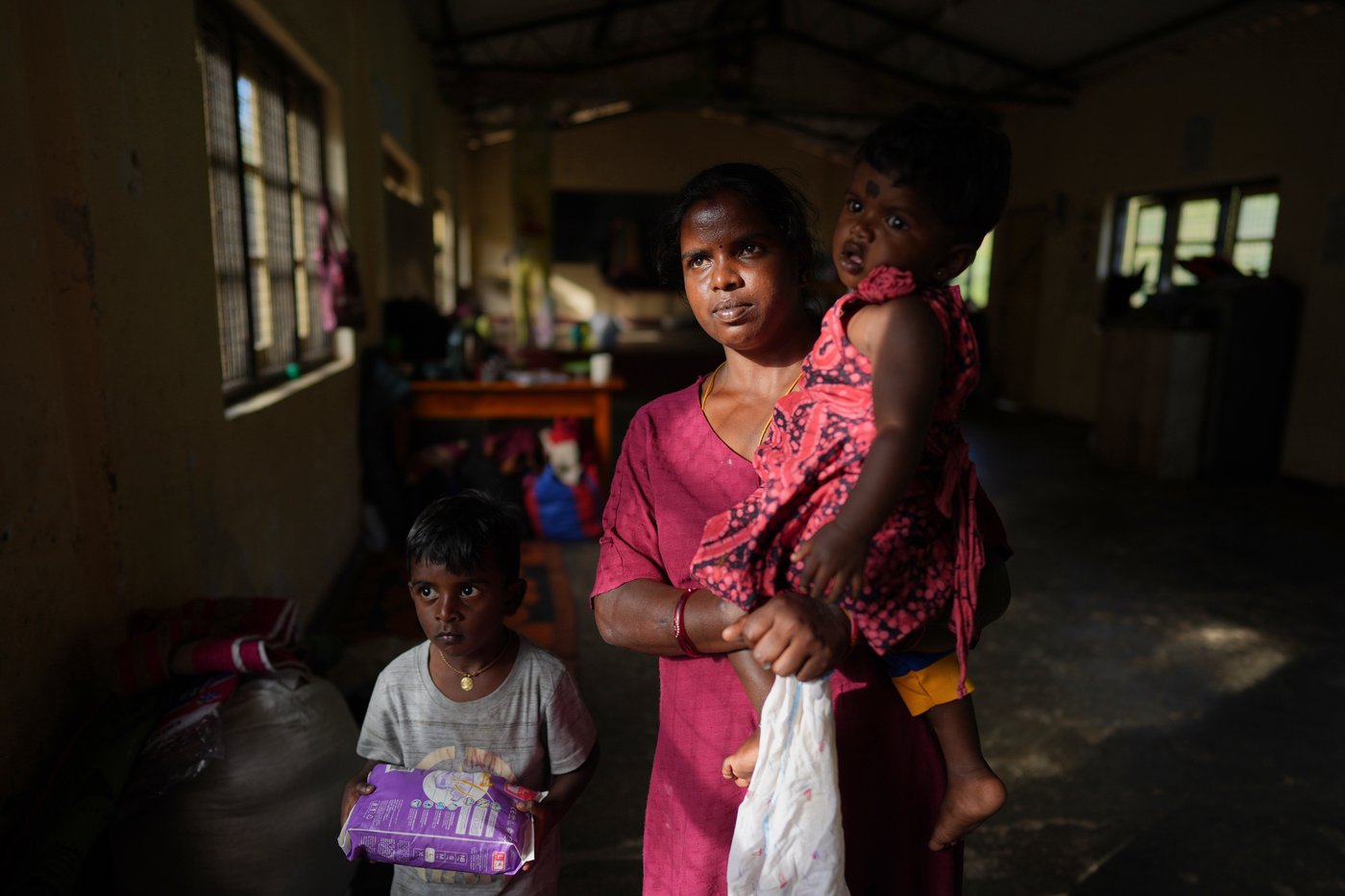
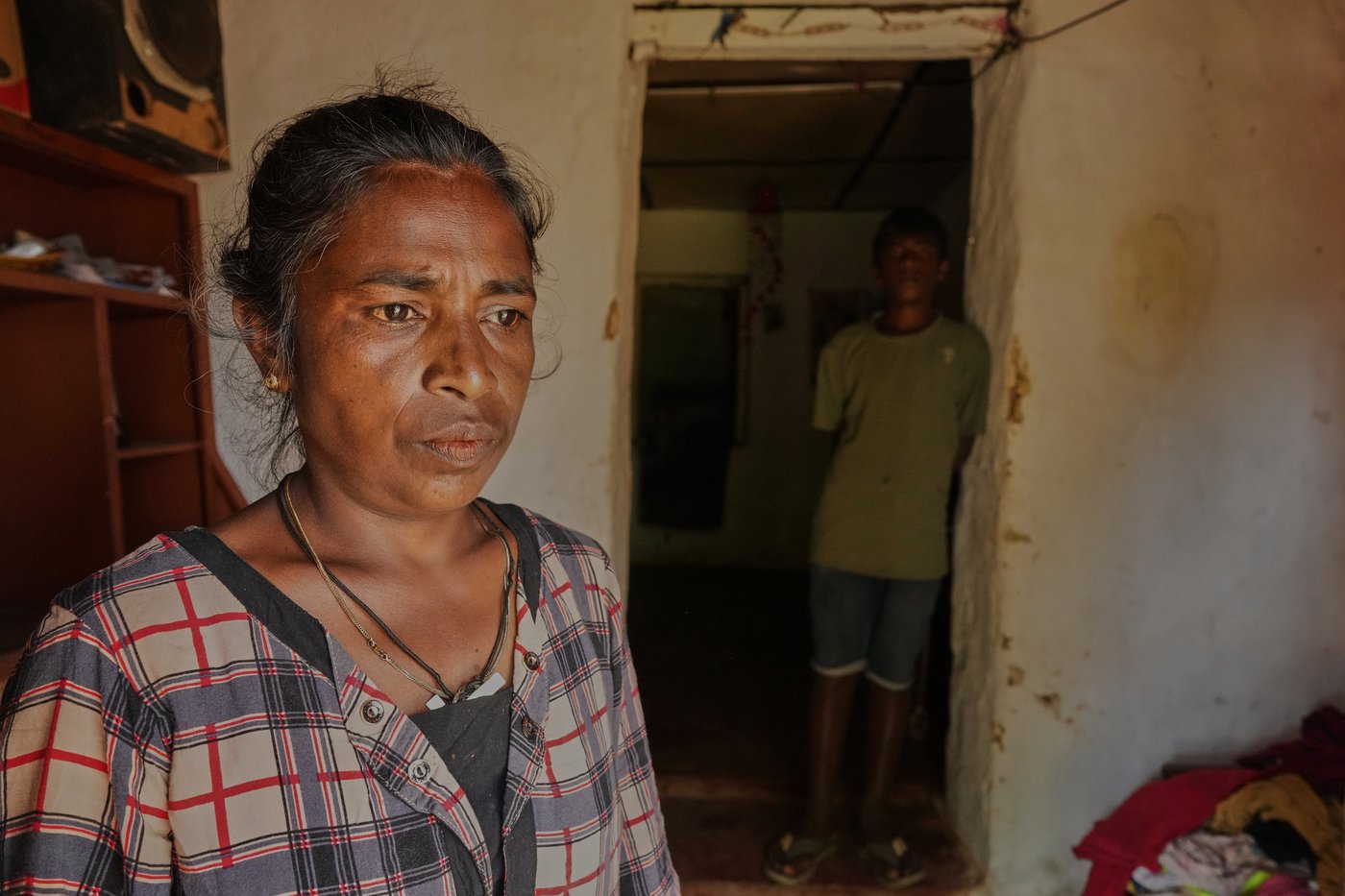
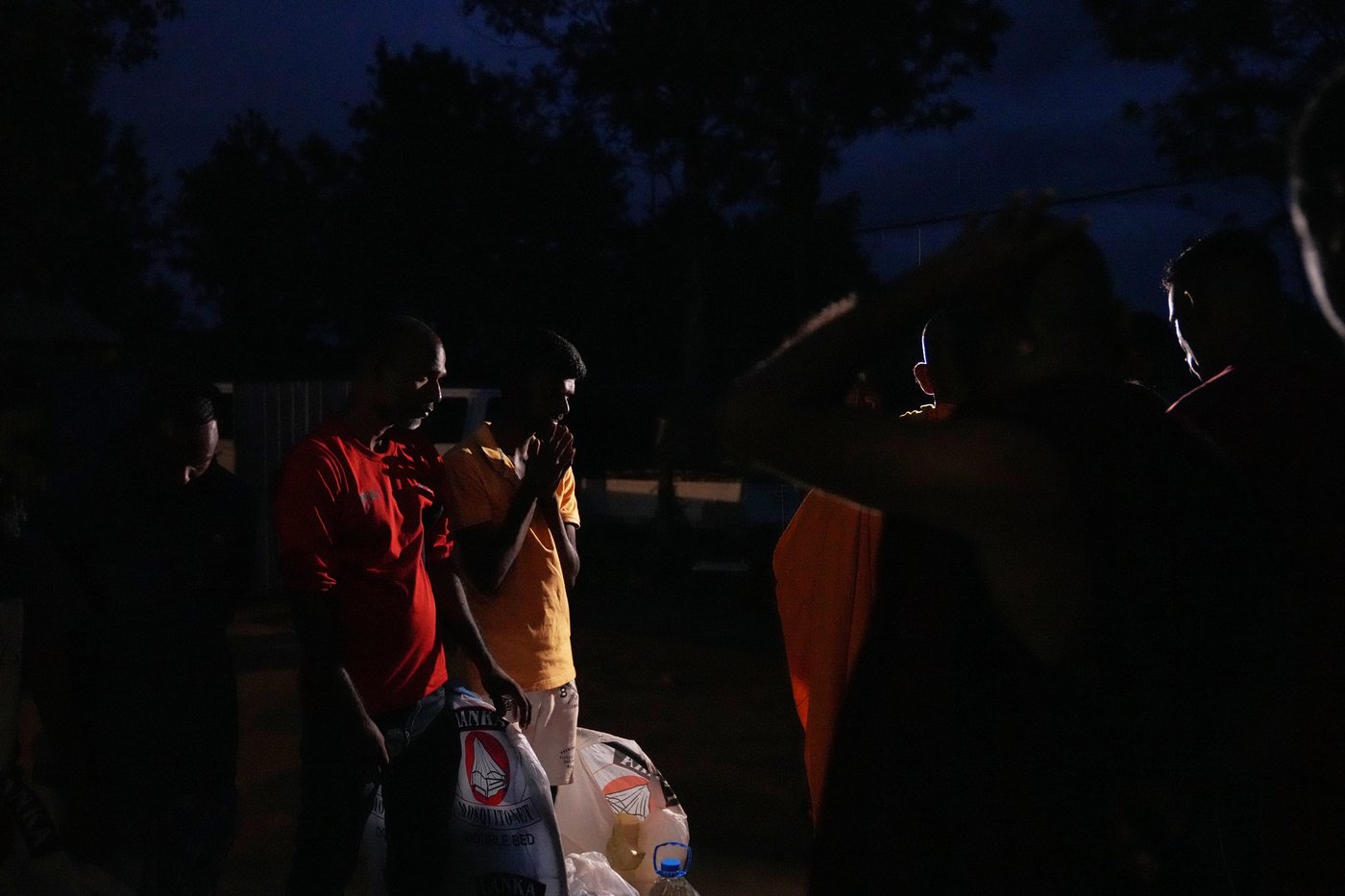
CRAIGHEAD ESTATE, Sri Lanka (AP) — Arumugam Manikavalli, awakened by ferocious rain and rumbling earth, fled her home for the safety of a nearby temple on the tea estate where she works. That same November evening, tea worker Kumaran Elumugam’s small home was crushed by a landslide, killing six family members.
He survived only because he was away, at work, along with a daughter.
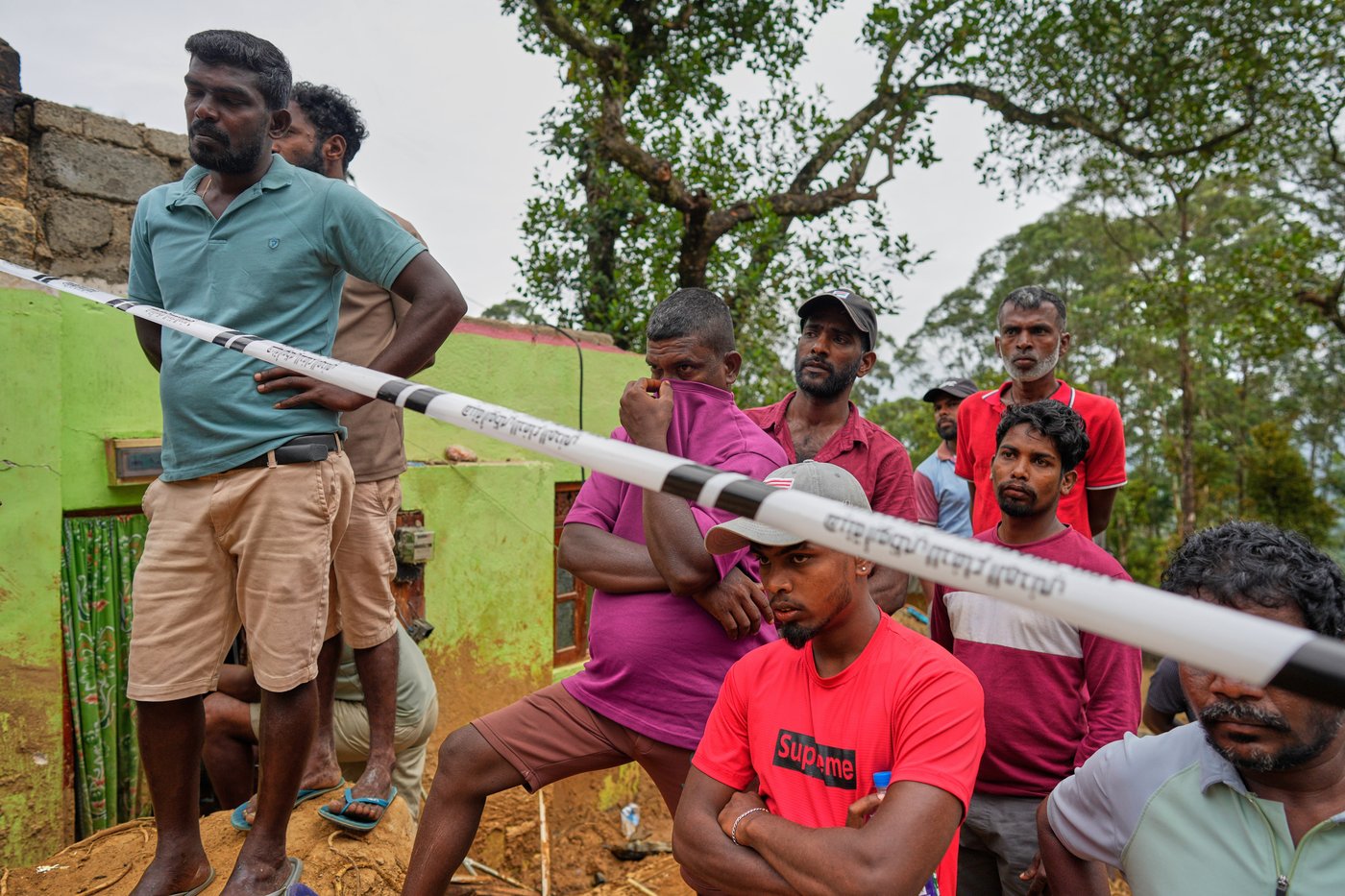
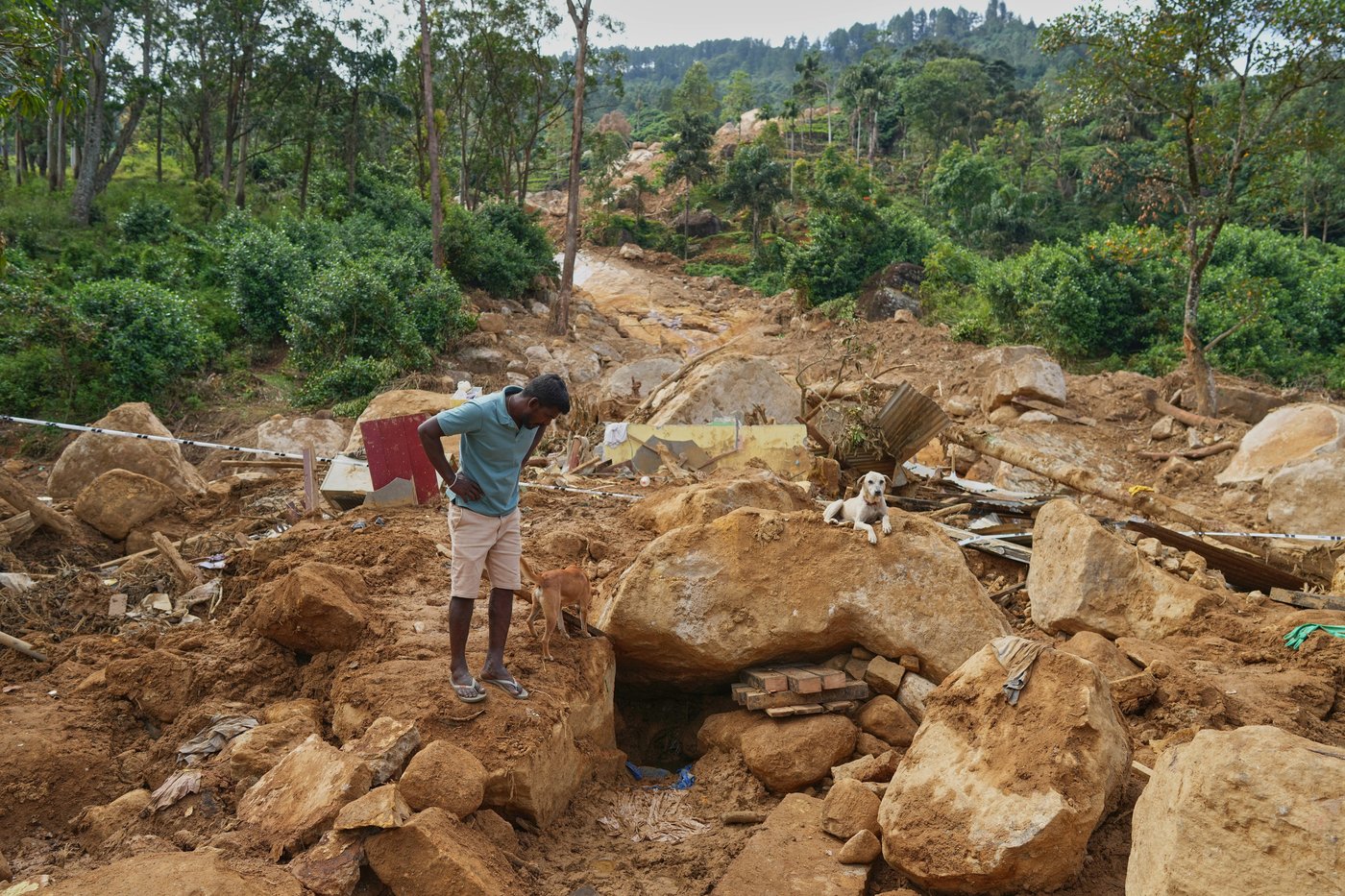
“My wife, son-in-law, daughter, mother-in-law, two grandsons are all dead,” Elumugam lamented. “The small one (granddaughter) is still under the mud.”
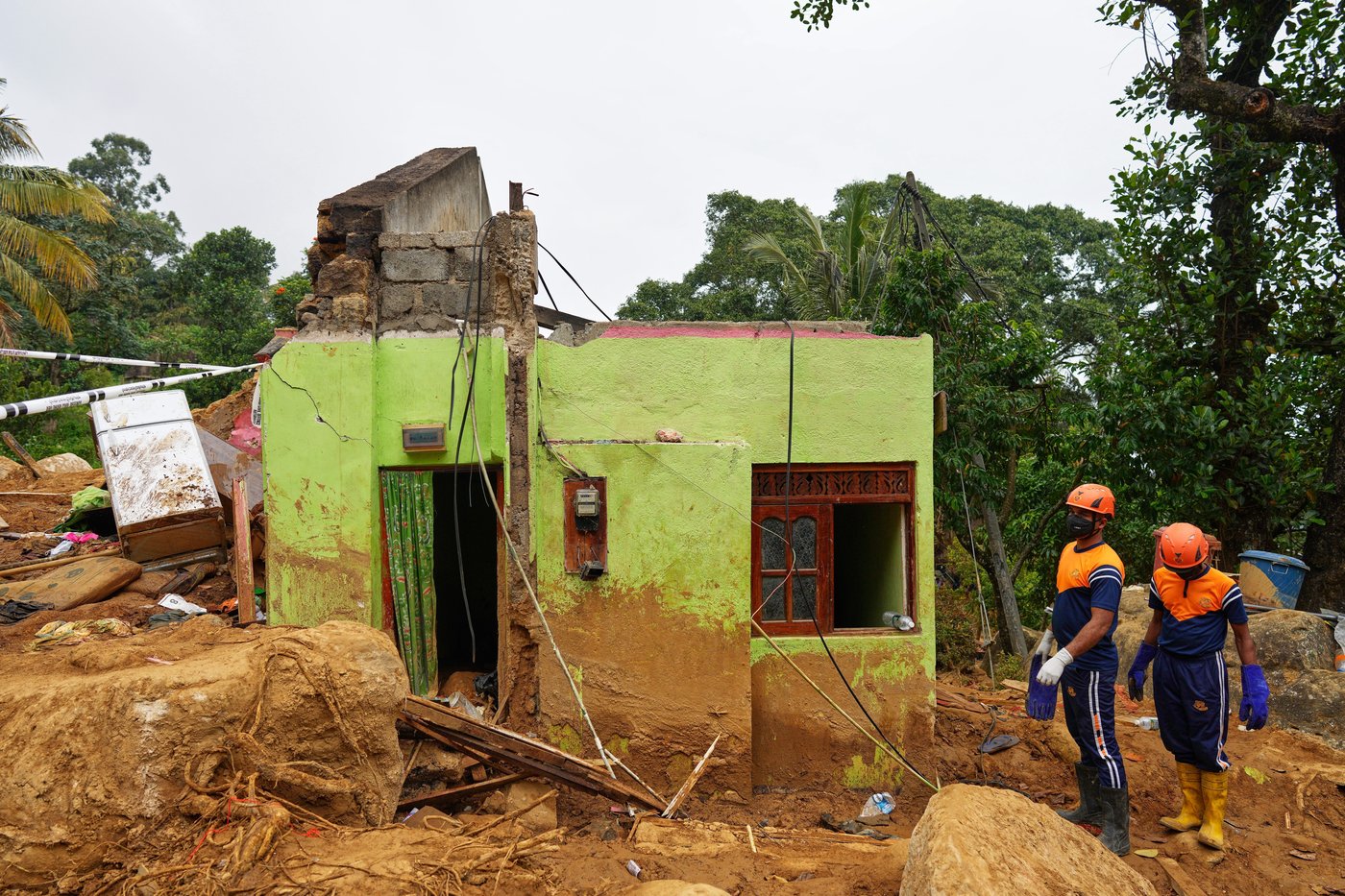
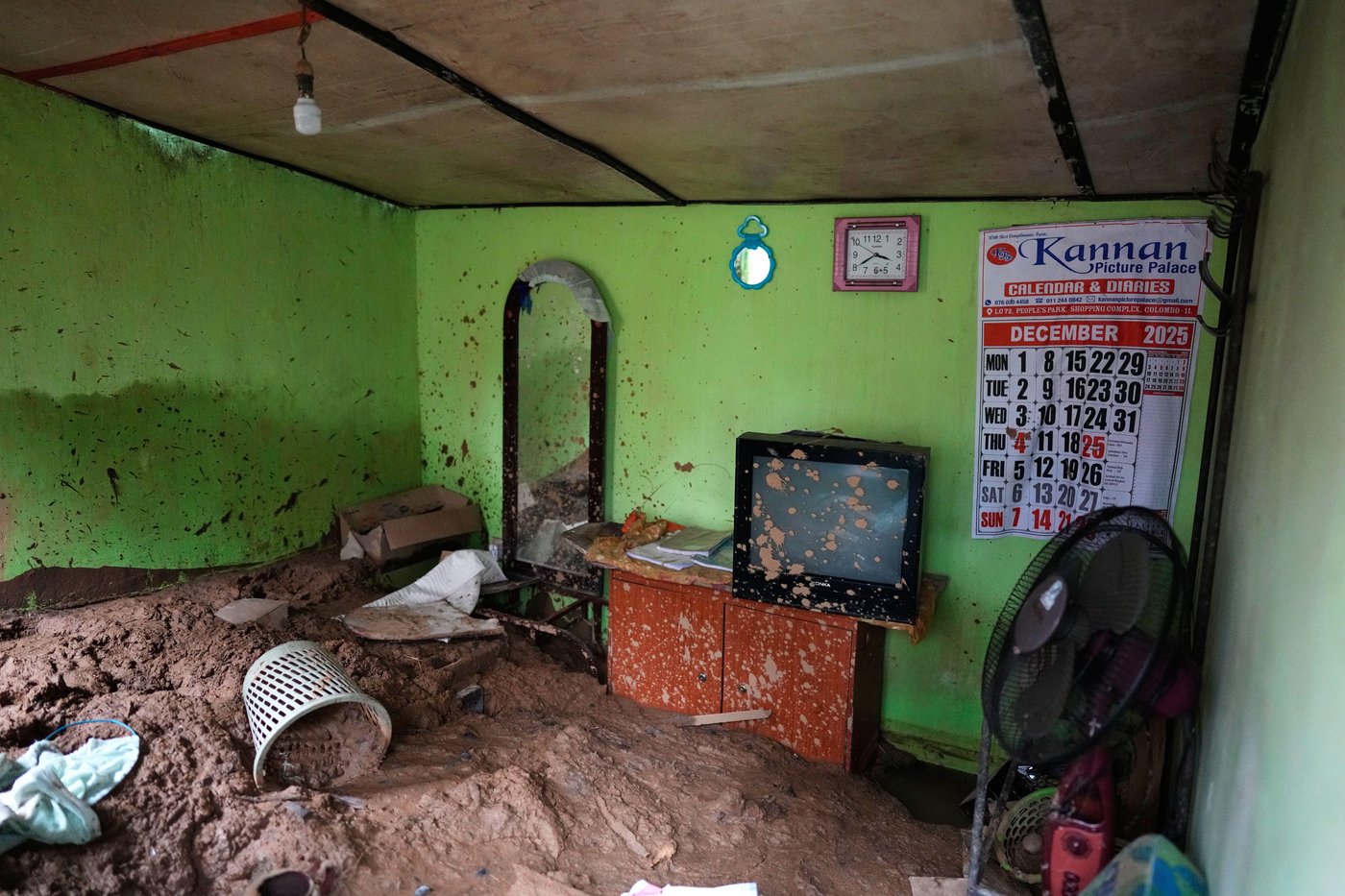
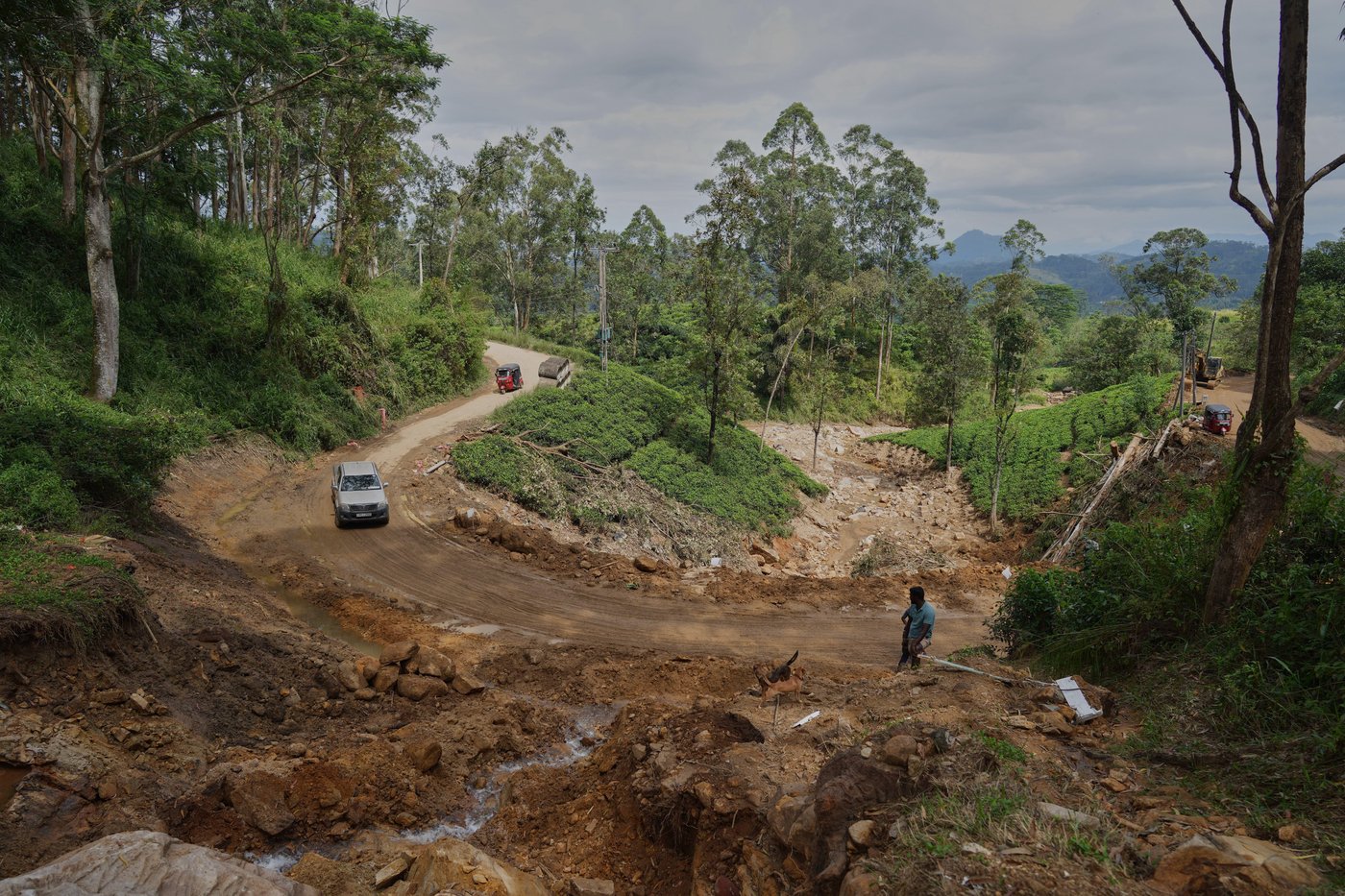
Elumugum and Manikavalli were among the fortunate to reach safety as heavy rains from Cyclone Ditwah led to floods and landslides across the South Asian island nation, killing more than 640 people and leaving more than a hundred missing. Multiple villages were submerged by landslides that left behind a rubble of cement, wood and roofing. In one area, the wreckage was dotted with clothing, schoolbooks, toys and a sports trophy.
Among the hardest hit were the hilly regions in the island’s center and the tea plantation workers who live there. Many occupied primitive, 150-year-old structures that were swept away in landslides and flooding. Social workers said these plantation workers, already living in extremely distressed conditions, are now in an even more desperate situation.
Poorly paid tea plantation workers worst hit by the disaster
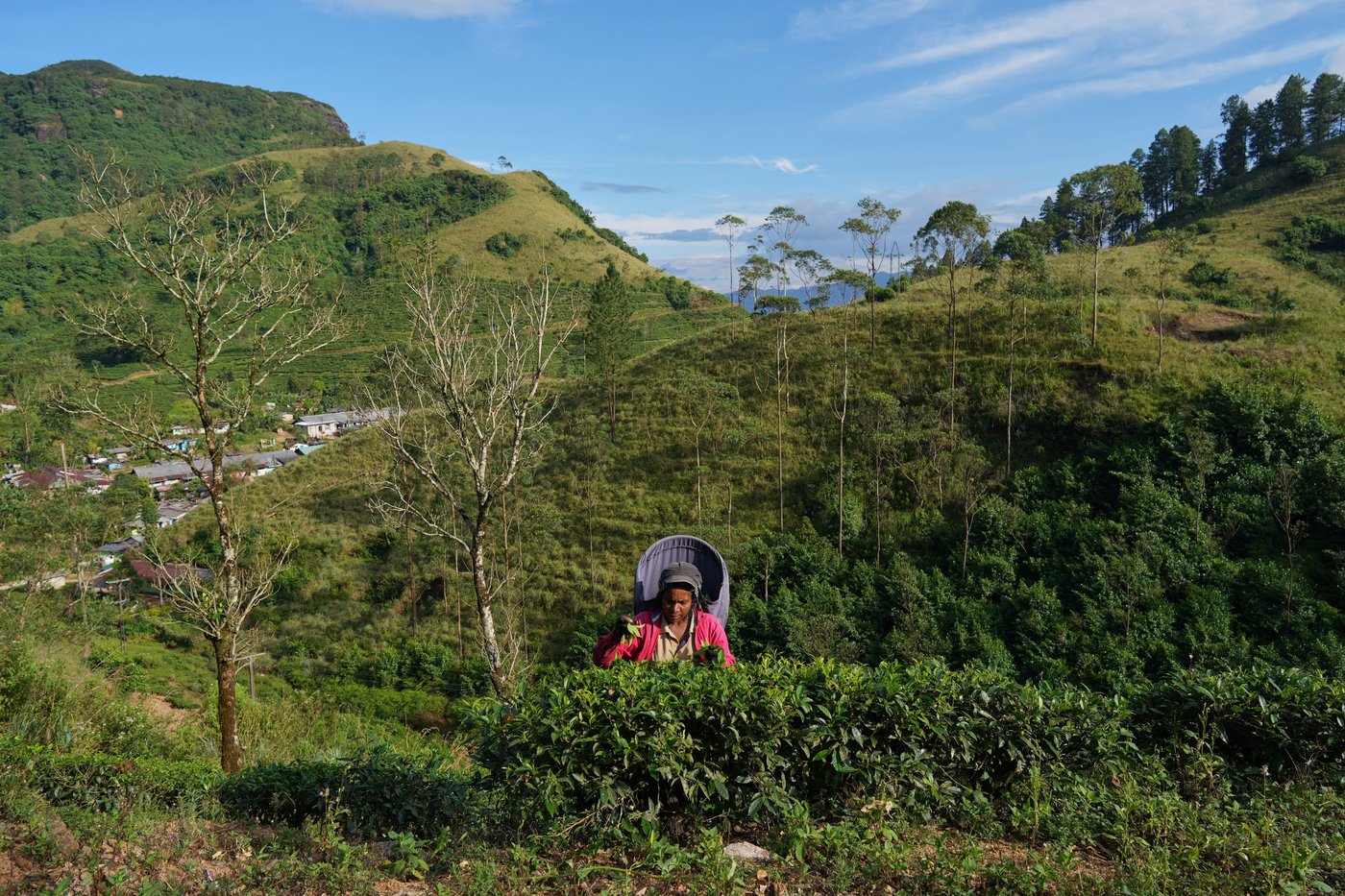
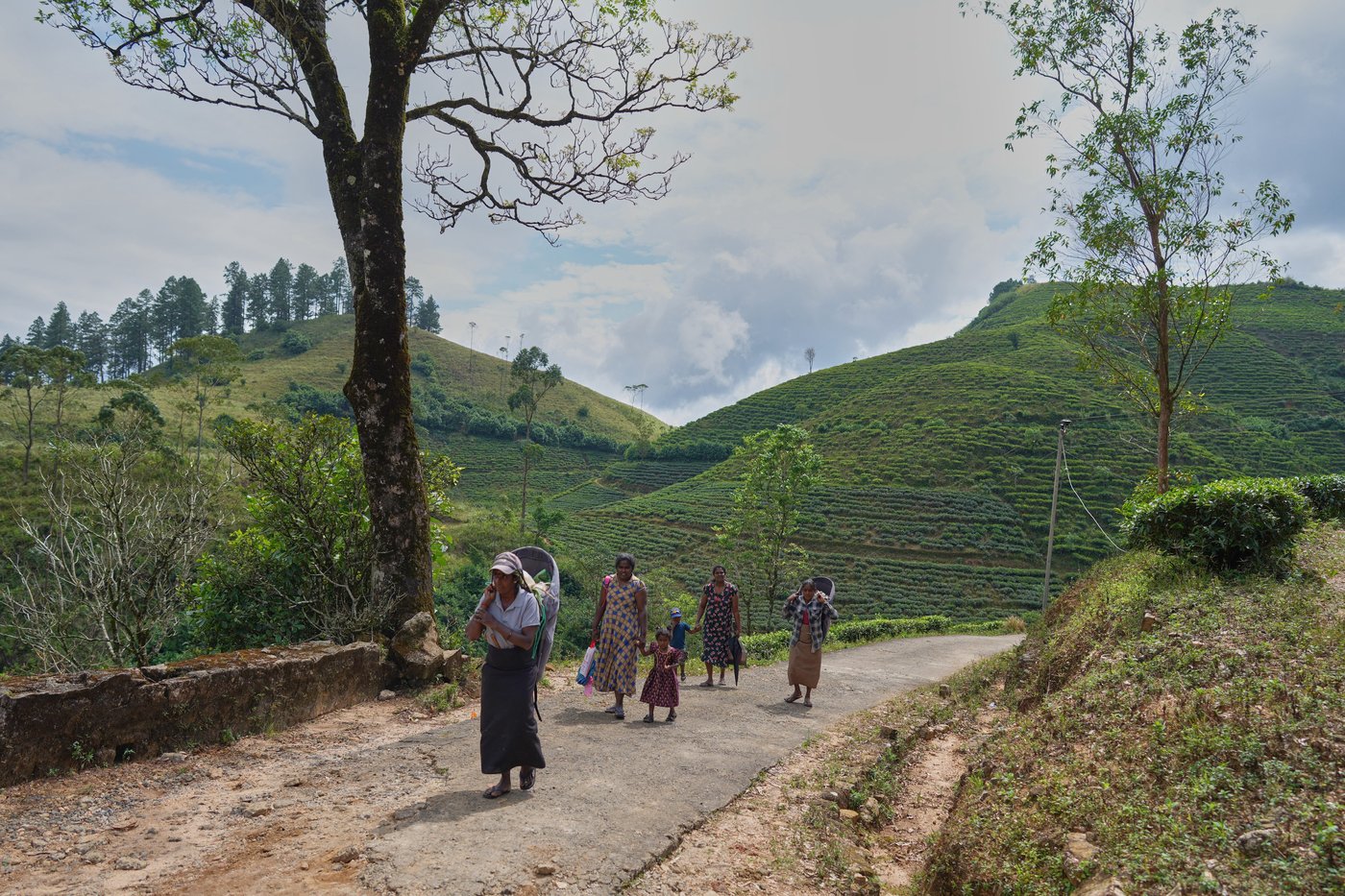
Most tea plantation workers in Sri Lanka belong to the Malaiyaha Tamil ethnic group. Descendants of Tamil indentured laborers who were brought to work from southern India by British colonists more than 200 years ago, over 1 million people belong to this community, the fourth-largest ethnic group on the island.
Sri Lanka grows some of the world’s finest tea, bringing billions of dollars into the country. But most Tamils in the hill regions earn well below the minimum wage of 1,200 rupees ($4) per day, with little or no access to education, health care or good jobs.
A report by the American Institute for Sri Lankan Studies said most tea plantation workers own no land or homes and are living in colonial-era working quarters barely bigger than 100 square feet but accommodating as many as eight family members. Multiple houses share bathrooms or have no sanitary facilities.
Many of the tea plantations, on flatter ground, were unaffected by the cyclone while the workers’ homes, which were closer to mountain slopes, were destroyed, said Melanie Gunathilaka, a Colombo-based climate activist and researcher.
“The settlements were in much more dangerous areas,” she said. “This shows the amount of value placed on the lives of these people.”
The Planters Association of Ceylon, the association for Sri Lanka’s tea companies and estates, didn’t immediately respond to a request for comment.
The government said more than 100,000 houses were destroyed or damaged across Sri Lanka. It has promised compensation packages to rebuild houses or to find safer lands and build new houses.
Sundaralingam Pradeep, Sri Lanka’s deputy minister for plantations and community infrastructure, told The Associated Press that the government is negotiating with the tea companies to identify lands to build homes for all those affected by the disaster, including retirees still living in company line houses.
The minister said an Indian-assisted project to build 7,000 homes will provide the first batch of houses for the impacted workers.
Tea workers say help can’t come soon enough.
“It doesn’t feel safe to be living here,” said Karuppiah Kamani, pointing to a huge rock next to her home at the edge of a tea plantation.
Sellamuttu Darshani Devi, another tea worker, and her family were asked to move as a precaution after the worst landslides. That’s been routine for years, she said. Her house has so far been unaffected, but she’s afraid to go back now.
“We are so scared when it rains,” Devi said.
She said despite the disaster she had to go pick tea leaves at the estates even now as tea company owners refused to provide any support unless they work. “When it gets sunny, the authorities tell us to go back. We need a home desperately,” she said.
Sri Lanka is vulnerable to climate change, but debt hampers readiness
Sri Lanka accounts for less than 1% of planet-warming gases in the atmosphere but is considered among nations most at risk from the extreme weather made worse by climate change.
According to the United Nations, Sri Lanka loses more than $300 million every year from climate-triggered extreme weather. At least 750,000 people are affected every year by extreme weather and nearly 19 million of Sri Lanka’s 23 million people live in low-lying, landslide-prone or other disaster-vulnerable areas.
But building resilience is difficult. The country owes billions of dollars to the International Monetary Fund, other multilateral development banks, countries such as China, Japan and India and some private banks and private lenders. Sri Lanka is highly dependent on tourism, which was hit hard by the COVID-19 pandemic. Severe economic problems led to mass protests and the eventual ouster of the nation’s established political elite.
“In countries like Sri Lanka, disasters don’t break the system. What disasters do is they expose the already broken systems,” said Sandun Thudugala of the Colombo-based nonprofit Law and Society Trust. Thudugala said Sri Lanka needs to rethink how it builds and plans, he said, taking into account a future where extreme weather is the norm.
Climate activist Gunathilaka said the country’s debt burden has forced it to prioritize economic growth above everything else so they can repay on time. She said that Sri Lanka could prioritize building climate-resilient homes, invest in early warning infrastructure and have more money to respond to disasters if they didn’t have to worry about the billions in loans and high interest rates that they come attached with.
Global leaders have acknowledged that countries need trillions of dollars to adapt to climate change.
For the people in Sri Lanka’s hill provinces, the need is urgent.
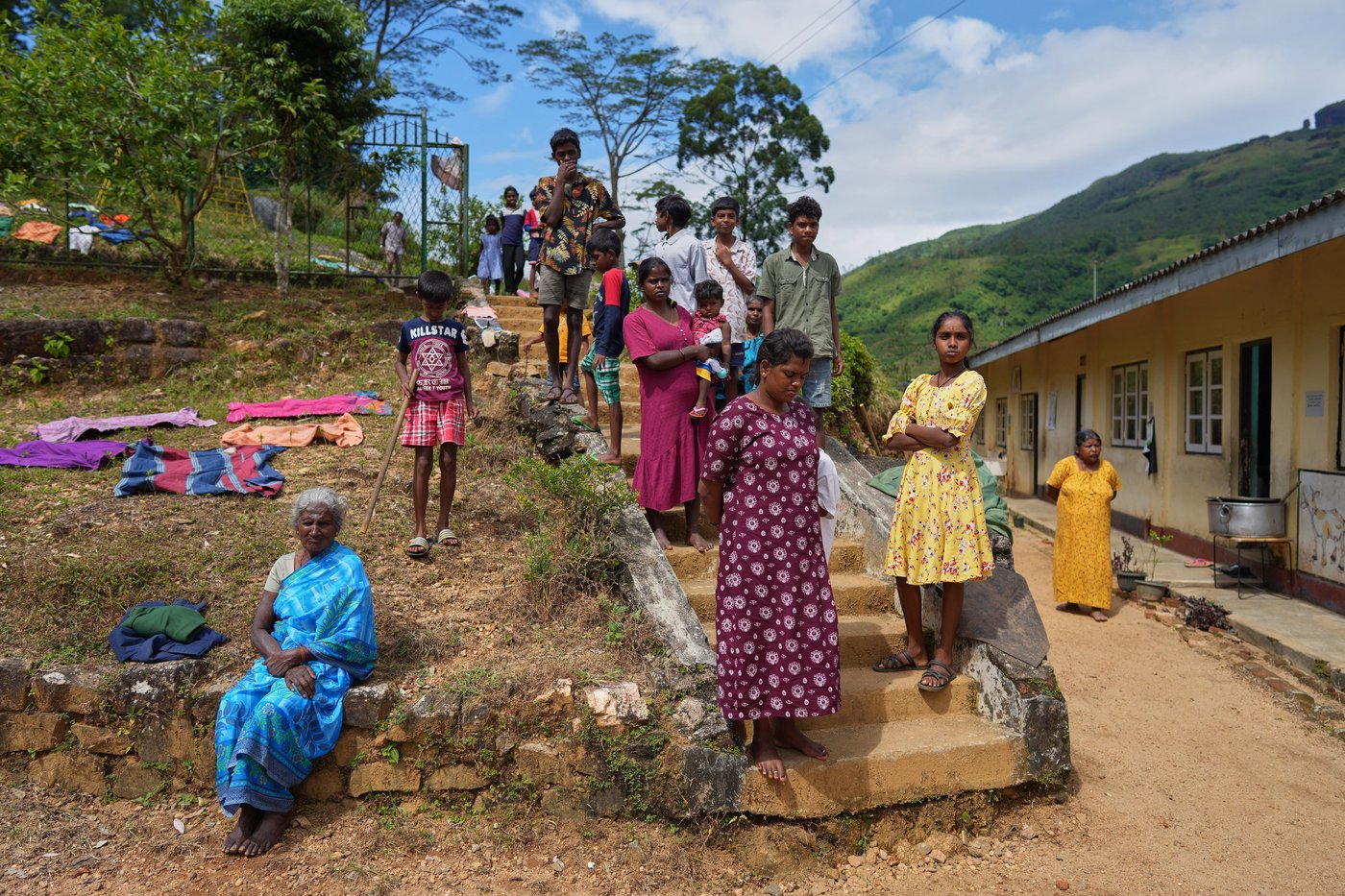
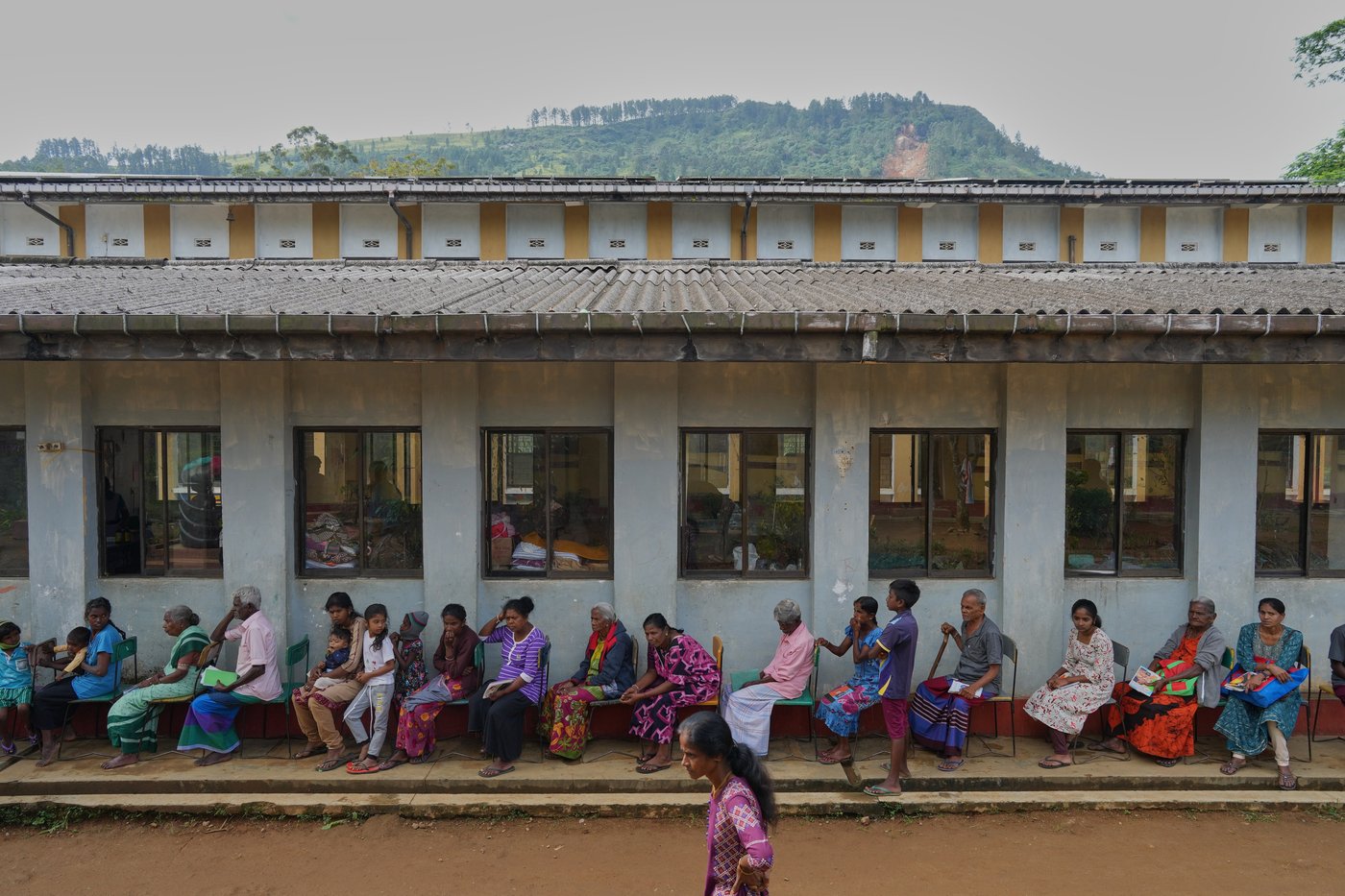
“We are so scared, anything can happen anytime here,” said Chellaya Pathmanathan, a tea plantation worker whose family is sheltering in a government school after their home was damaged. He said the family doesn’t have enough food to eat.
“We want to create a safe future for our kids. I hope someone can help us,” he said.
___
Follow Sibi Arasu on X at @sibi123.
___
AP photographer Eranga Jayawardena contributed to this report. Arasu reported from Bengaluru, India.
___
The Associated Press’ climate and environmental coverage receives financial support from multiple private foundations. AP is solely responsible for all content. Find AP’s standards for working with philanthropies, a list of supporters and funded coverage areas at AP.org.
News from © The Associated Press, . All rights reserved.
This material may not be published, broadcast, rewritten or redistributed.

This site is protected by reCAPTCHA and the Google Privacy Policy and Terms of Service apply.
Want to share your thoughts, add context, or connect with others in your community?
You must be logged in to post a comment.