Elevate your local knowledge
Sign up for the iNFOnews newsletter today!
Sign up for the iNFOnews newsletter today!
Selecting your primary region ensures you get the stories that matter to you first.
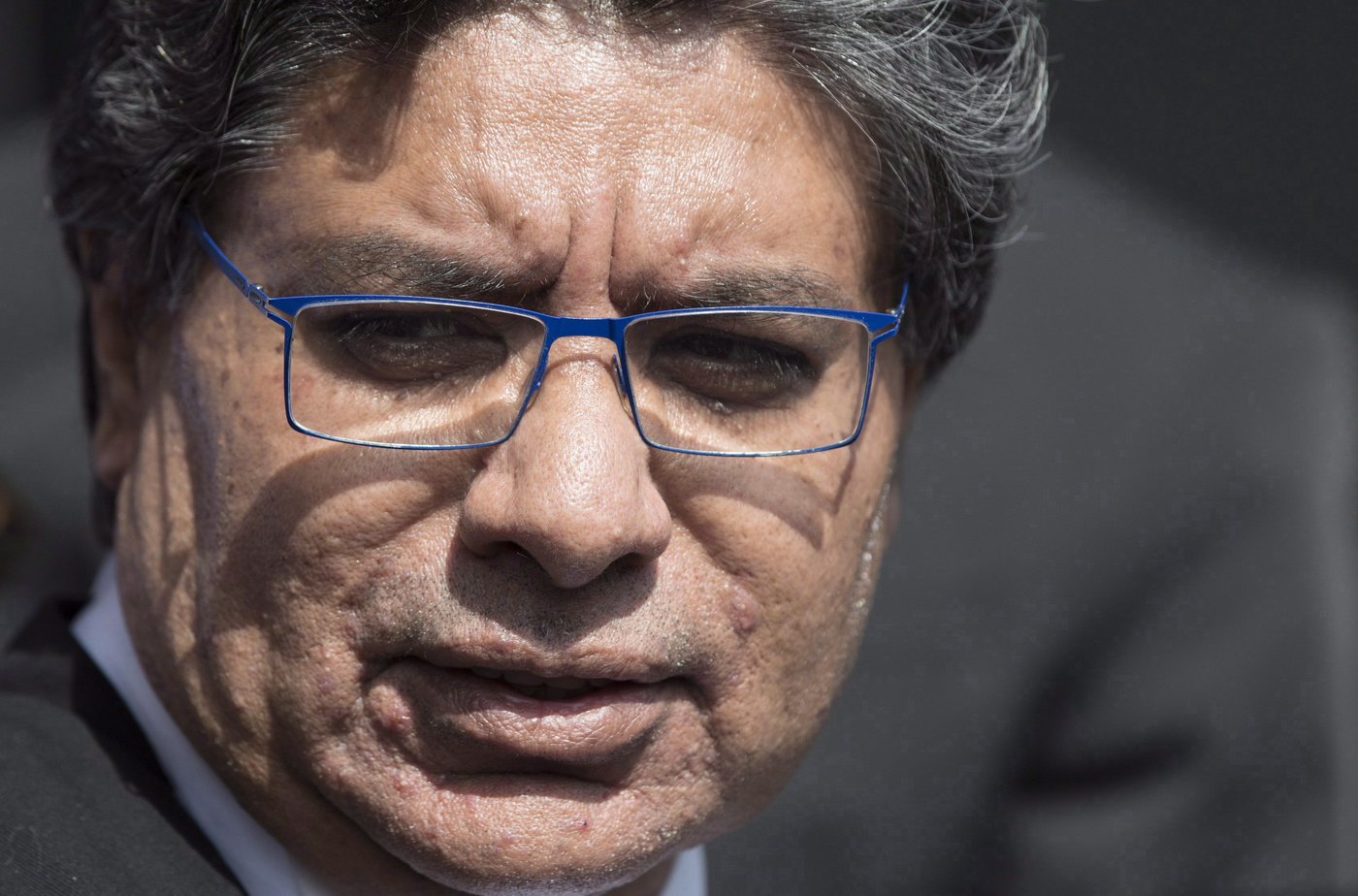
TORONTO — An Ontario lawyer accused of advising the murder of a federal witness in an alleged international drug smuggling network was granted bail in a downtown Toronto courtroom Tuesday ahead of his extradition hearing.
Deepak Paradkar, 62, is one of several Canadians arrested last month for extradition to the U.S. as part of an FBI investigation targeting the former Olympic snowboarder and alleged Canadian drug kingpin Ryan Wedding, now accused of leading a violent criminal organization.
It’s alleged the Thornhill, Ont., lawyer advised Wedding on the murder of a federal witness, introduced the former athlete to drug traffickers who moved product through North America and directed intelligence gathering after drugs were seized by law enforcement.
Superior Court Justice Peter Bawden said in his decision that he found it “very unlikely” that Paradkar would attempt to go underground in Canada, and attending court and complying with his bail terms may be his only way to stay alive. Paradkar was to be released on a $5.25 million bail, Bawden said in his decision.
“The most compelling reason to find that Mr. Paradkar will not flee is that it is so obviously contrary to his interests to do so. The case that he faces may be strong, but to the extent that it depends upon the word of a co-operating witness, it is certainly defendable,” Bawden told the court Tuesday.
“If he flees and is caught, he will never again have a chance for bail.”
Federal prosecutors had argued Paradkar has “extraordinary” incentive to flee if released on bail as he faces multiple life sentences if found guilty in the U.S. The Crown further argued that if released, Paradkar would likely continue to communicate with the alleged criminal organization and no bail condition could manage this risk.
“As far as the potential punishment, there couldn’t be a stronger incentive (to flee) in this case,” Crown attorney Heather Graham argued in court earlier this month.
Paradkar, who U.S. officials say was also known under the name “cocaine_lawyer” for his previous social media handle, is one of several Canadians arrested on extradition warrants last month in connection with an FBI operation targeting Wedding.
U.S. officials allege Paradkar was paid with bulk cash drops and luxury items such as watches, making it impossible to gauge the resources available to him, Graham further argued in her submissions.
His defence lawyer, meanwhile, argued Paradkar has no ties to any other country and put his family’s finances on the line to support his release. Paradkar’s lawyer also argued that his client has deep roots in the community, and would not break bail conditions that would put his family at risk.
“Flight, under this plan, would require Mr. Paradkar to break through all of these different safeguards, to betray those closest to him, to put their life savings and his life savings at risk, would require him to put his wife and daughters in extreme distress,” defence lawyer Ravin Pillay had argued in his submissions.
In his decision, Bawden pointed to testimony from Paradkar’s wife that she would ensure he complies with the bail conditions, and said he had no reason to believe she would assist Paradkar with fleeing. He added that Paradkar has no criminal record and was not subject to any court order at the time of the alleged offences.
Bawden further pointed to Paradkar’s age and ailing health as a factor in his decision. While in custody, he cannot directly access medications and detention centres “often disregard judicial directions regarding inmate care,” he wrote.
“I find that a prolonged period of detention in a local jail would likely be harmful to Mr. Paradkar’s health,” wrote Bawden.
Bawden acknowledged there is an “ongoing political debate” at the provincial and federal level about bail law, but wrote that under current Canadian law, the detention of an accused person is the exception, not the rule.
“A reasonable person would note that the accused is a Canadian citizen, has never previously been arrested for any offence, has presented a reliable release plan and has offered a lien on the entire value of his home to secure bail,” wrote Justice Bawden.
Paradkar had proposed to place himself under a number of conditions, including 24/7 house arrest, GPS monitoring and no access to electronic devices unless in the presence of his sureties.
Bawden said in his decision that he was “satisfied” with the proposal.
“I have a high level of confidence in the proposed release plan,” Bawden wrote, adding that strong bail measures for Paradkar can assist in maintaining public confidence in the case.
This report by The Canadian Press was first published Dec. 23, 2025.
— With files from Paola Loriggio.
News from © The Canadian Press, . All rights reserved.
This material may not be published, broadcast, rewritten or redistributed.

This site is protected by reCAPTCHA and the Google Privacy Policy and Terms of Service apply.
Want to share your thoughts, add context, or connect with others in your community?
You must be logged in to post a comment.