Elevate your local knowledge
Sign up for the iNFOnews newsletter today!
Sign up for the iNFOnews newsletter today!
Selecting your primary region ensures you get the stories that matter to you first.
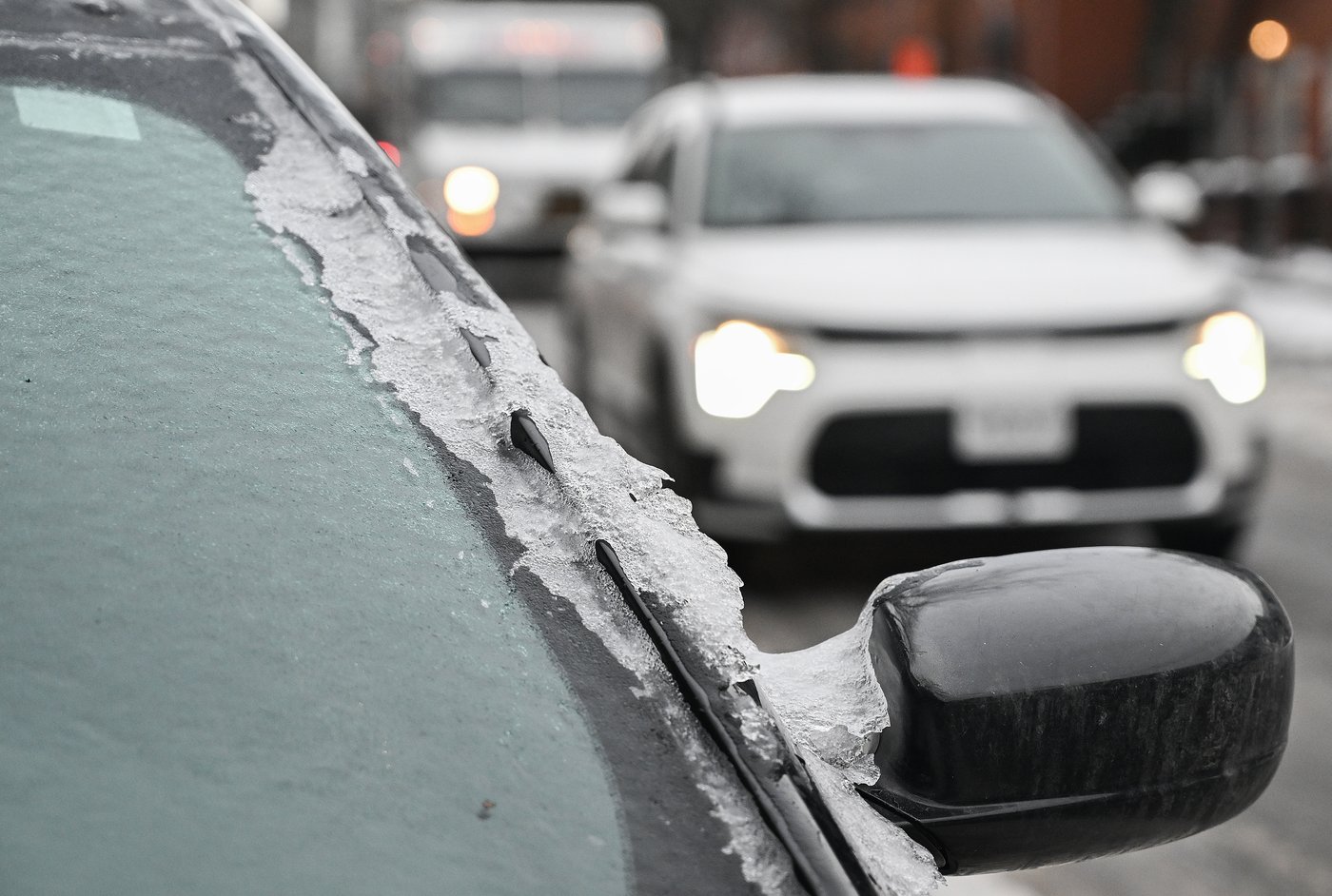
MONTREAL — A winter storm brought freezing rain, blowing snow and strong winds across Eastern Canada on Monday, leading to a surge in 911 calls in Montreal and leaving tens of thousands of customers without power in Ontario.
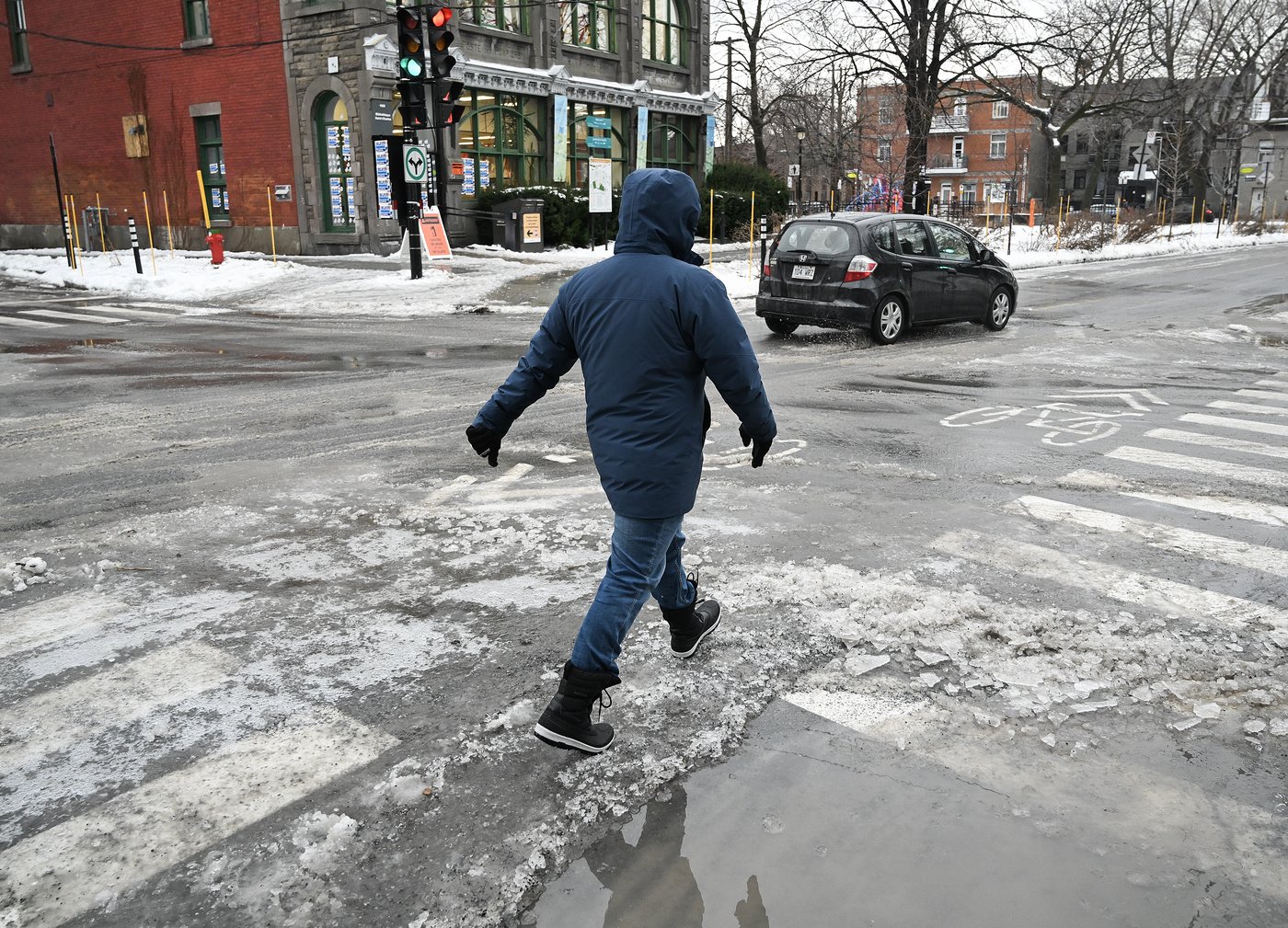
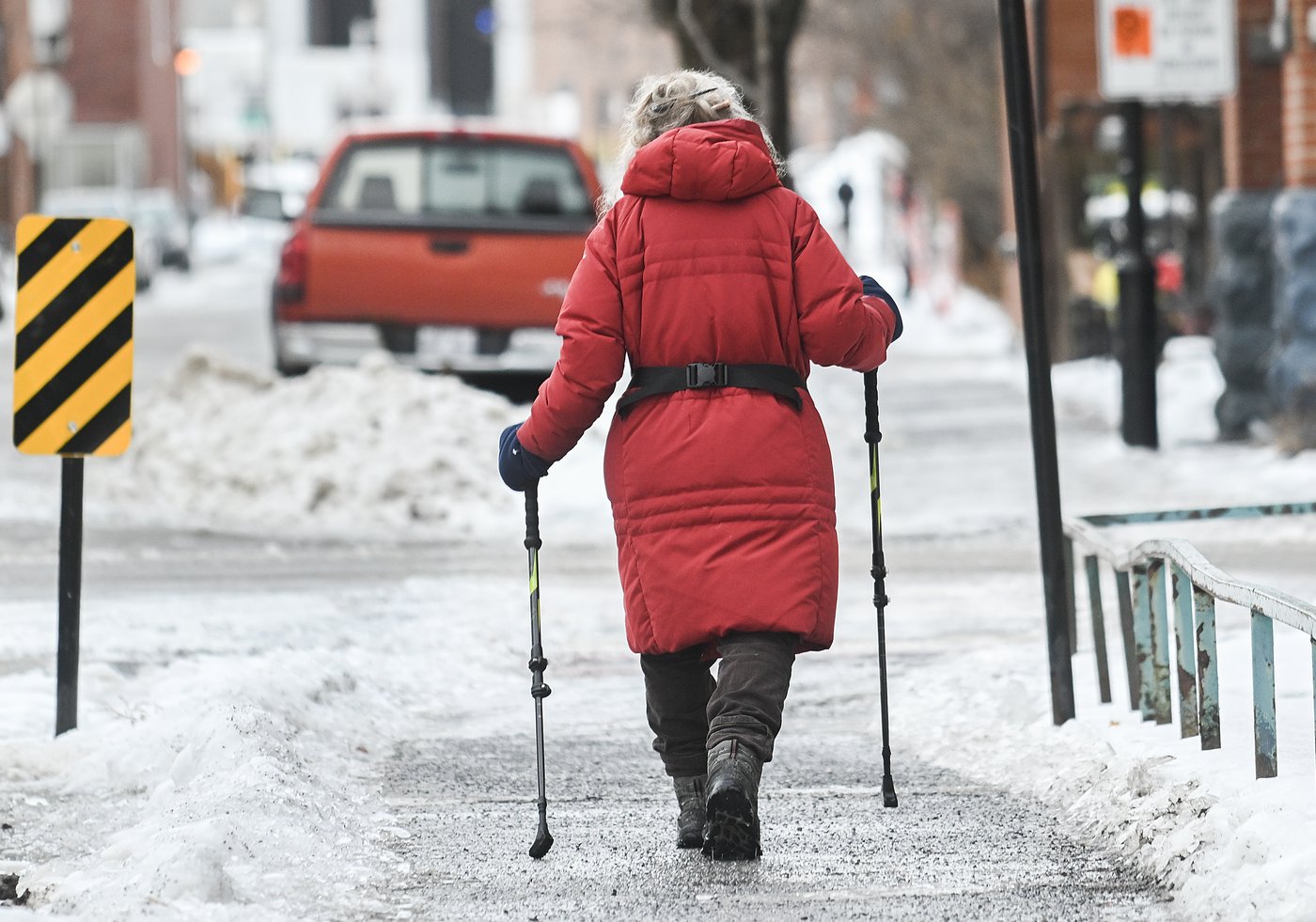
Montreal-area ambulance service Urgences-santé said for a period Monday, it received some 100 calls per hour — many for people who had fallen and hurt themselves on ice-coated sidewalks.
Spokesperson Valérie Guertin urged people to stay home if possible and, if they had to go outside, to wear crampons and adapt their driving to the weather.
“Ambulance requests (are) mostly for falls on the ice, traumatic injuries or people with injuries following a fall,” she said in a phone interview.
By the afternoon, another spokesperson, Alexandre Sapone, said call volumes had dropped to between 60 and 70 calls per hour, compared to between 40 and 50 in normal times.
Sapone said in addition to a rise in 911 calls, crews were facing challenges around loading people safely onto ambulances — sometimes requiring paramedics to clear entrances of snow and ice and spread salt or other abrasives on the ground.
Much of southern and western Quebec was under weather alerts for prolonged periods of freezing rain with ice pellets. While most of those alerts had been lifted by late afternoon, some areas remained under wind warnings, including Montreal, where gusts of up to 90 kilometres per hour were expected.
Vast swaths of the province were also under winter storm warnings, with regions such as Saguenay, Lac St-Jean and Lower St. Lawrence expecting some 20 to 30 centimetres of snow along with strong winds.
About 3,600 Hydro-Québec clients remained without power as of 10:30 p.m. Monday, including nearly 900 homes and businesses in the Laurentians area north of Montreal, though the outage numbers were dropping rapidly. In Ontario, about 20,000 Hydro One customers were without power, down from 61,000 earlier in the day.
Eric Tomlinson with Environment Canada said precipitation had largely shifted to regular rain by late morning in Montreal — leaving behind five to 10 millimetres of ice — but freezing rain continued to fall north of the city.
He warned temperatures were expected to drop sharply overnight, which could once again make surfaces slippery.
The weather caused headaches for commuters hoping to use the Montreal-area light-rail network, or REM, which reported service slowdowns and shutdowns Monday morning. Ahead of the storm, crews ran trains all night to avoid ice accumulation in the hopes of ensuring normal service.
Flight delays and cancellations were also reported at Montréal Trudeau International Airport, and Air Canada asked customers to check their flight’s status before leaving home.
Freezing rain, blowing snow and strong winds were in the forecast for many parts of Eastern Canada, from Ontario to Newfoundland and Labrador.
Environment Canada said most of Ontario could expect a mixed bag of precipitation, ranging from freezing rain in Ottawa to heavy snow along Lake Superior and up to 60 centimetres in Timmins.
Multiple stretches of highways in the Timmins area and other parts of northern Ontario were closed Monday morning as a winter storm battered the region.
Strong wind gusts of up to 90 kilometres an hour were expected in the Greater Toronto Area and southwestern Ontario, with the forecast warning of power outages and possible damage to buildings and trees.
Freezing rain warnings were issued in all four Atlantic provinces, including parts of Newfoundland and Labrador, where between 50 and 100 centimetres of snow has fallen since Christmas Day. Newfoundland Power reported more than 2,500 customers without power Monday morning, mostly along the southwest coast of the Avalon Peninsula.
Environment Canada meteorologist Ian Hubbard said Atlantic Canada is in the path of the same system that brought freezing rain to the Great Lakes region and parts of Quebec, but the impacts won’t be as severe since some of the precipitation would likely fall as rain.
Much of Canada has been blasted with a number of weather systems over the last week, ranging from blizzards and cold snaps to freezing rain.
This report by The Canadian Press was first published Dec. 29, 2025.
— With files from Maan Alhmidi in Toronto and Devin Stevens in Halifax
News from © The Canadian Press, . All rights reserved.
This material may not be published, broadcast, rewritten or redistributed.

This site is protected by reCAPTCHA and the Google Privacy Policy and Terms of Service apply.
Want to share your thoughts, add context, or connect with others in your community?
You must be logged in to post a comment.