Elevate your local knowledge
Sign up for the iNFOnews newsletter today!
Sign up for the iNFOnews newsletter today!
Selecting your primary region ensures you get the stories that matter to you first.
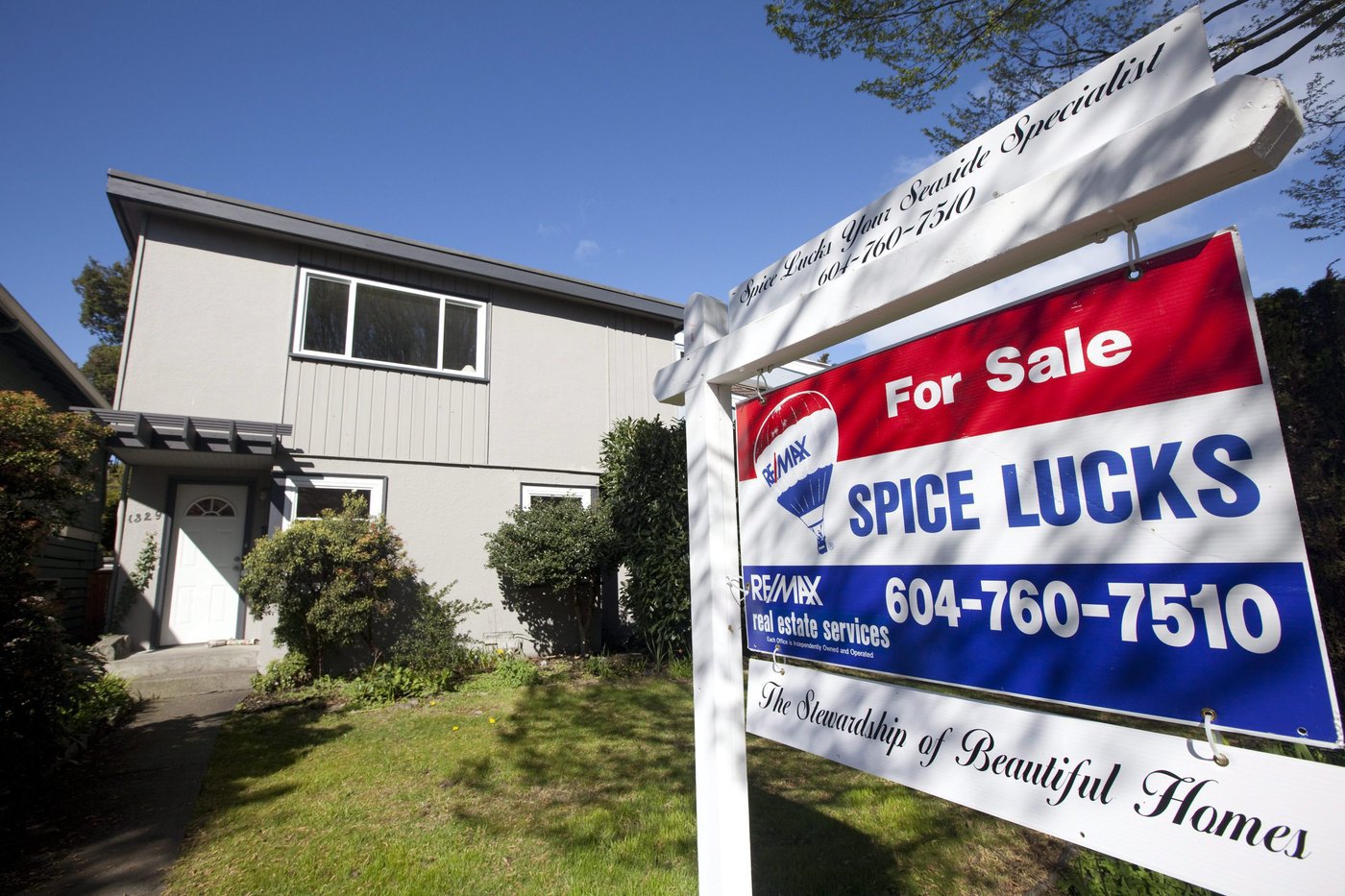
VANCOUVER — The British Columbia government has dropped the threshold for its homeowner grant program for the first time in six years as assessed values for homes fall in the province’s Lower Mainland.
BC Assessment said homeowners in B.C.’s most concentrated population centre in and around Metro Vancouver could expect decreases of up to 10 per cent, reflecting valuations as of July 1 last year.
Those declines come amid price drops in the luxury market that developers and others have linked to the federal foreign buyer ban, as well as B.C.’s foreign buyer tax and speculation and vacancy tax.
Vancouver architect and real estate consultant Michael Geller said there was “no doubt that the luxury market has been impacted by the ban on foreign buyers.”
The B.C. Ministry of Finance announced Friday that the threshold for the B.C. homeowner grant had been set at $2.075 million this year, down about 4.6 per cent from $2.175 million last year.
It was the first time the threshold for the program, aimed at providing property tax relief for some homeowners, had dropped since 2020 when home prices last moderated across B.C.
BC Assessment said homes in other regions saw more stable assessed values, with Vancouver Island and the Southern Interior seeing valuations swinging from five-per-cent increases to five-per-cent decreases.
The North and the Kootenays, meanwhile, saw changes in valuations between 15 per cent increases and five per cent decreases.
“The softening housing market is being reflected in 2026 property assessments,” said Bryan Murao with BC Assessment in a statement about the Lower Mainland’s lower assessed values.
The agency said about 1.14 million properties were assessed in the Lower Mainland, and total assessment values for the region fell to $1.92 trillion for 2026 versus last year’s values at about $2.01 trillion.
The sharpest drop in the region was in White Rock, where average single-family home values fell nine per cent to $1.58 million while the University Endowment Lands, Richmond and Langley all saw eight per cent drops.
Single-family home values only rose in four communities in the Lower Mainland: Anmore with a four per cent increase, Harrison Hot Springs rising three per cent, Squamish two per cent and Pemberton one per cent.
Geller said price drops in Vancouver, Burnaby and Richmond didn’t surprise him, but the Squamish increases stood out.
He said Squamish had quickly become attractive to younger families and others looking for an outdoor lifestyle, only about an hour’s drive from downtown Vancouver.
Geller was critical of some aspects of the home owner grant, saying the province should offer more grants to renters rather than homeowners, or develop regional variations to the grant threshold.
“To my mind, given all the provincial deficits and the whole housing situation, it’s crazy to be giving a homeowner grant to people in Castlegar on a house worth two million dollars,” said Geller, referring to an Interior community where prices are lower than in the Lower Mainland.
The grant threshold had been steadily increasing from $1.525 million to the high point of $2.175 million last year before this year’s drop.
The ministry said owners of properties valued above the threshold may still qualify for a partial grant due to the program’s gradual phaseout process.
Homeowners with a dependent child, above the age of 55, widowed or with disabilities can also qualify for other forms of relief such as the B.C. property tax deferment program.
Declining values in the luxury market extend all the way up to the most expensive home in B.C., Lululemon founder Chip Wilson’s waterfront mansion on Vancouver’s Point Grey Road.
The home of more than 15,000 square feet is assessed at about $73.5 million, down 11 per cent from about $82.7 million.
Outspoken Vancouver relator Layla Yang, who has been selling luxurious homes in the city for at least 10 years, said the B.C. government’s ban on foreign buyers has slowed down Vancouver’s luxurious mansion market and led to assessment value drops.
“The problem is, we don’t even have a rich buyer here because we banned them. So they cannot buy and now they go to Dubai,” said Yang.
Yang, who just came back from a business trip in Dubai on Thursday, said she spent last year searching for an answer to find out where these luxurious home buyers went following the market slowdown.
She found out that many Chinese buyers are now investing in Dubai and Los Angeles.
“I’m being contacted by another buyer from Dubai. They said, ‘You are so good. Can you help me buy a five-million-dollar home in Dubai?” said Yang, “They treat the foreigners so nicely, and they have a happiness center. If you’re not happy, you can complain.”
One of B.C.’s well-known developers has argued that luxury valuations need for come down even further.
Holborn Group went to the Property Assessment Review Board last year to argue that a West Vancouver mansion is owns was worth $14.7 million, and not the $22.2 million valuation it received last year.
Holborn told the B.C. Property Assessment Appeal Board panel that the luxury market peaked between 2016 and 2018, and factors including taxes introduced between 2016 and 2022 as well as restrictions on capital outflows from China, had “significantly” affected sales and prices in the area.
The appeal was rejected, with Bruce Turner, chair of the appeal board panel, concluding last week that the assessment was reasonable.
The latest assessment values the property at about $20.7 million.
This report by The Canadian Press was first published Jan. 2, 2026.
News from © The Canadian Press, . All rights reserved.
This material may not be published, broadcast, rewritten or redistributed.

This site is protected by reCAPTCHA and the Google Privacy Policy and Terms of Service apply.
Want to share your thoughts, add context, or connect with others in your community?
You must be logged in to post a comment.