Elevate your local knowledge
Sign up for the iNFOnews newsletter today!
Elevate your local knowledge
Sign up for the iNFOnews newsletter today!
Select Region
Selecting your primary region ensures you get the stories that matter to you first.
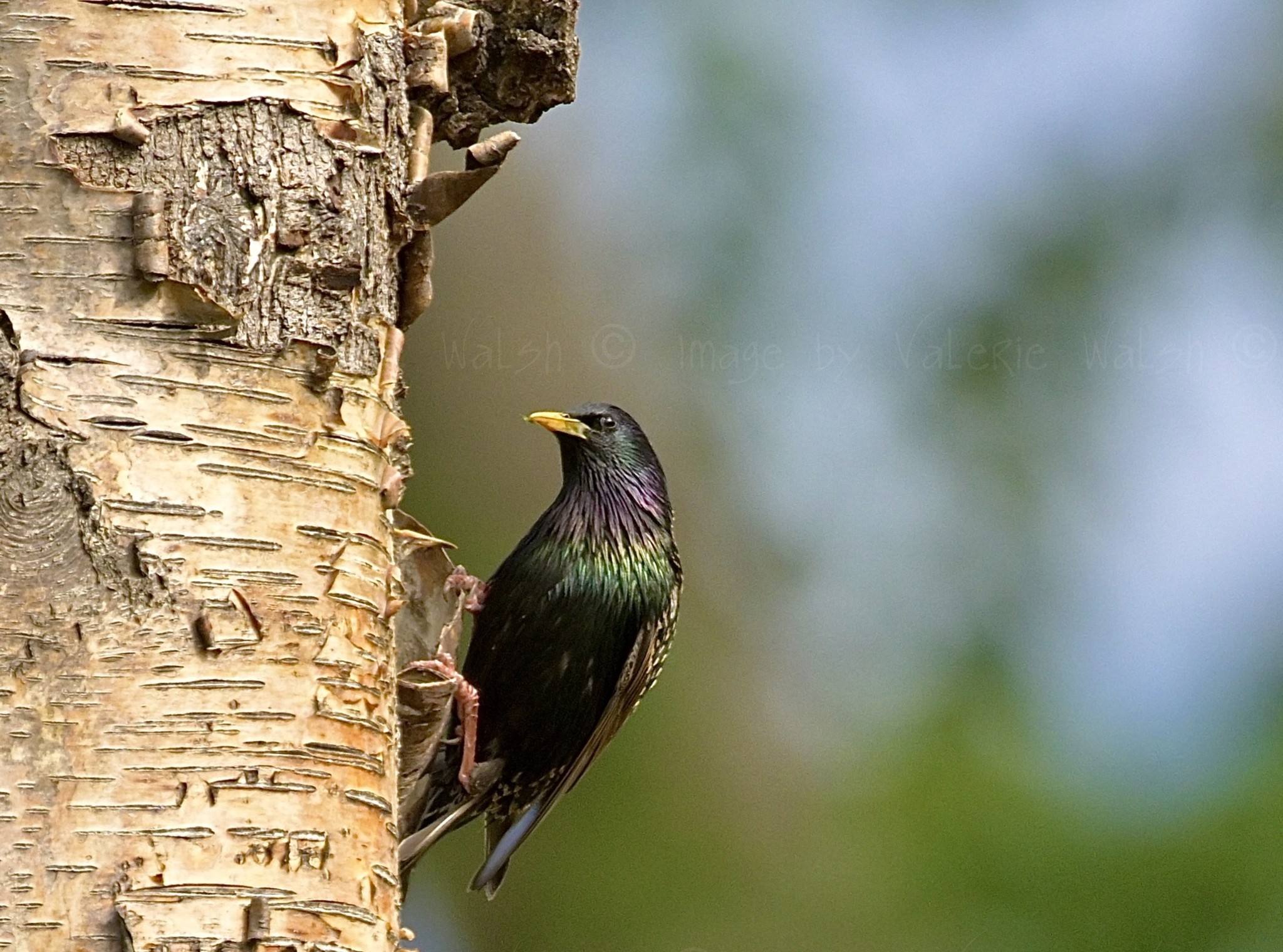
Every December more than a dozen bird counts happen in the Thompson-Okanagan region carried out by dedicated volunteer birders.
The Christmas bird counts are undertaken across North America with data compiled with the National Audubon Society.
A point in a city is chosen and a 12-kilometre radius is circled and divided into a number of divisions for groups of birders to cover by either walking or driving, who tally the number of different species and total number of birds spotted within an eight-hour time frame.
The Kamloops count day was on Dec. 21.
Forty-two participants spent a total of 72 hours, walked 65 km and drove 447 km to count a total of 70 species and 6,274 individual birds.
In an email to iNFOnews.ca, Kamloops bird count compiler Glenn Dreger said the numbers were at the lower end of the count this year, and volunteers didn’t encounter some of the usual winter bird species.
We did not encounter some of the usual winter bird species. Dreger suspects it’s due to a mild winter. Count day numbers were down one species from last year and at the low end of the usual count.
Total numbers are down by 2,200 compared to last year, but most of that can be attributed to 1,900 fewer Canada geese.
Some surprising finds were 16 dunlins on count day, and glaucous-winged gulls, an Iceland gull and a great grey owl during count week, which the group conducted for three days on either side of the official count day.
The Kelowna count day was on Dec. 20 and had much different results.
Sixty participants showed up, however the total number of hours they put in have not yet been added up by Kelowna compiler Chris Charlesworth.
One-hundred-and-nine species of birds were counted which is a bit higher than usual, Charlesworth said. More than 25,000 individual birds were counted, 9,600 of which were European starlings.
“We had some interesting birds,” he said. “The kind that breed here and decided to stay for winter instead of migrating. It’s a trend we are seeing more of as the climate warms up.
“We had a gray catbird that should be in Mexico and a blue jay which is typically found east of the Rocky Mountains, that was a highlight.”
Going out and counting birds is more than an excuse for enthusiasts to get together. It provides invaluable data on how birds have adapted to a changing environment, both the climate and the increasing density in cities.
Prior to 1900, the birds were hunted and killed to be counted now compilers only need a pair of binoculars.
The National Audubon Society in the U.S. explains the origin of the Christmas bird count this way: “Prior to the turn of the 20th century, hunters engaged in a holiday tradition known as the Christmas Side Hunt,” it says on its webpage. “They would choose sides and go afield with their guns — whoever brought in the biggest pile of feathered (and furred) quarry won.”
Ornithologist Frank M. Chapman, an officer in the newly established Audubon Society, changed that by proposing a Christmas Day bird count in 1900. He was joined by 27 others who conducted 25 bird counts in cities ranging from Ontario to California.
The compilation of all the bird counts won’t be posted online until later this year.
Results of past bird counts, by community, can be seen on the Audubon website here.
Birds Canada has a list of bird counts and contact information for compilers here.
News from © iNFOnews.ca, . All rights reserved.
This material may not be published, broadcast, rewritten or redistributed.

This site is protected by reCAPTCHA and the Google Privacy Policy and Terms of Service apply.
Want to share your thoughts, add context, or connect with others in your community?
You must be logged in to post a comment.