Elevate your local knowledge
Sign up for the iNFOnews newsletter today!
Sign up for the iNFOnews newsletter today!
Selecting your primary region ensures you get the stories that matter to you first.
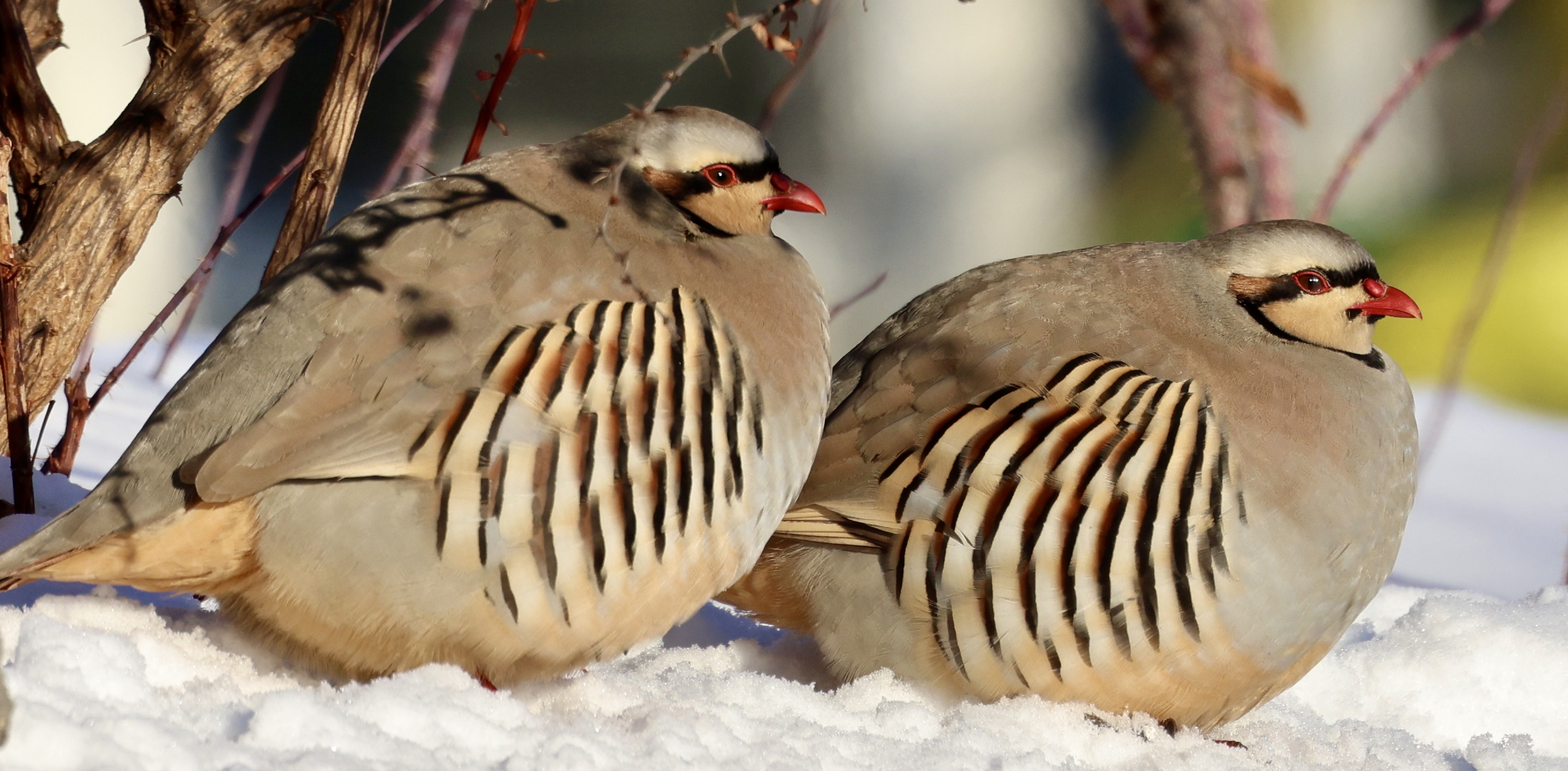
Last year was the warmest year on record for Kelowna and Vernon, with Kamloops and Penticton up in the charts as well.
Environment Canada tallied up the data for 2025 and it showed that Kelowna and Vernon had average temperatures of 10.6 Celsius and 10.1 C, respectively. The normal average temperature for Kelowna is 8.2 C and for Vernon it’s 8.4 C.
Environment Canada meteorologist Derek Lee said summer highs weren’t responsible.
“The summer itself wasn’t super hot,” Lee said. “The fall and the winter part of it continued to be warm, especially when we got into December. We had three weeks out of December being warm and only the last week of December it cooled down to maybe a -12 C for the Okanagan.”
Kamloops had an average temperature of 10.7 C and Penticton’s average was 10.6 C, which makes it the fourth warmest year for each of those regions. Although it wasn’t record-breaking, the average temperature was notably higher than the normal average temperatures of 9.5 C for Kamloops and 9.6 C for Penticton.
It was also a slightly drier than normal year for the Southern Interior with Kamloops getting 76 per cent of normal precipitation, Kelowna getting 68 per cent, Vernon getting 80 per cent and Penticton getting 89 per cent of normal.
The warmer winter does have consequences especially for drought conditions in the Okanagan.
According to data from the province’s River Forecast Centre, the Okanagan has been facing consistent drought conditions for the past four years and the valley ended 2025 at drought level 2. The drought level is measured on a scale from 1 to 4 with 4 being an emergency.
Currently, the snowpack in the Okanagan is 92 per cent of normal with at least two months left to grow or melt. The snowpack in the South Thompson is 98 per cent of normal.
Lee said the warm winter is expected to continue for another few weeks, but it should change partway through January.
“It’s looking like we could be actually ending January with a colder-than-normal trend,” he said. “It might be midway through the month. That’s when the models are showing that cold Arctic air might be returning back down into southern B.C.”
For now, Kamloops and the Okanagan are showing daily high temperatures above freezing, around 2 C to 4 C. There is some precipitation set for Jan. 6 and 7 throughout the area, but it should be around two centimetres of flurries.
News from © iNFOnews.ca, . All rights reserved.
This material may not be published, broadcast, rewritten or redistributed.

This site is protected by reCAPTCHA and the Google Privacy Policy and Terms of Service apply.
Want to share your thoughts, add context, or connect with others in your community?
You must be logged in to post a comment.