Elevate your local knowledge
Sign up for the iNFOnews newsletter today!
Sign up for the iNFOnews newsletter today!
Selecting your primary region ensures you get the stories that matter to you first.
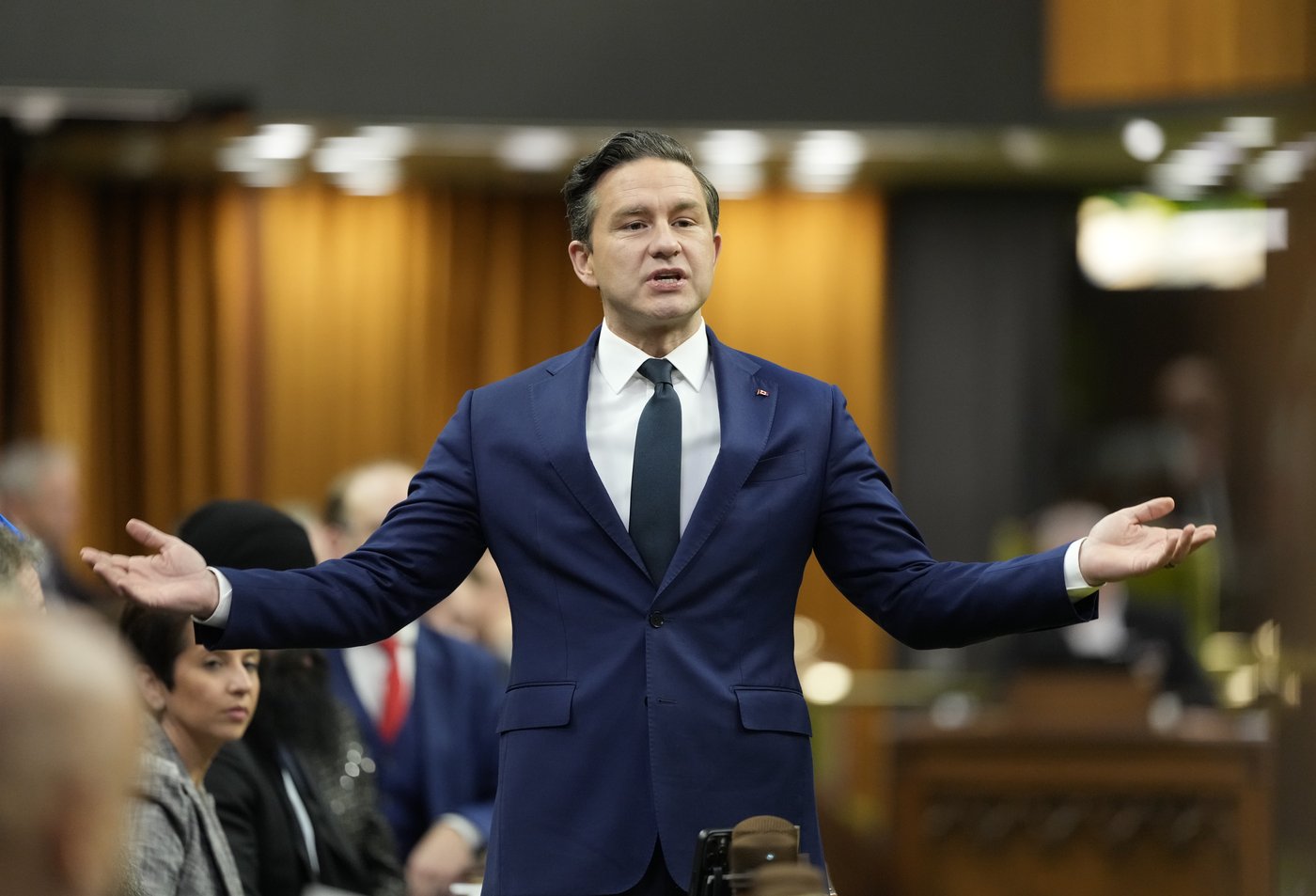
OTTAWA — Prime Minister Mark Carney says his government is working to expand access to oil markets in Asia now that Canada faces the prospect of Venezuelan oil displacing Canadian product in the American market.
His remarks came after Conservative Leader Pierre Poilievre urged Carney to “immediately approve a pipeline to the Pacific Coast” in an letter shared on social media Tuesday morning.
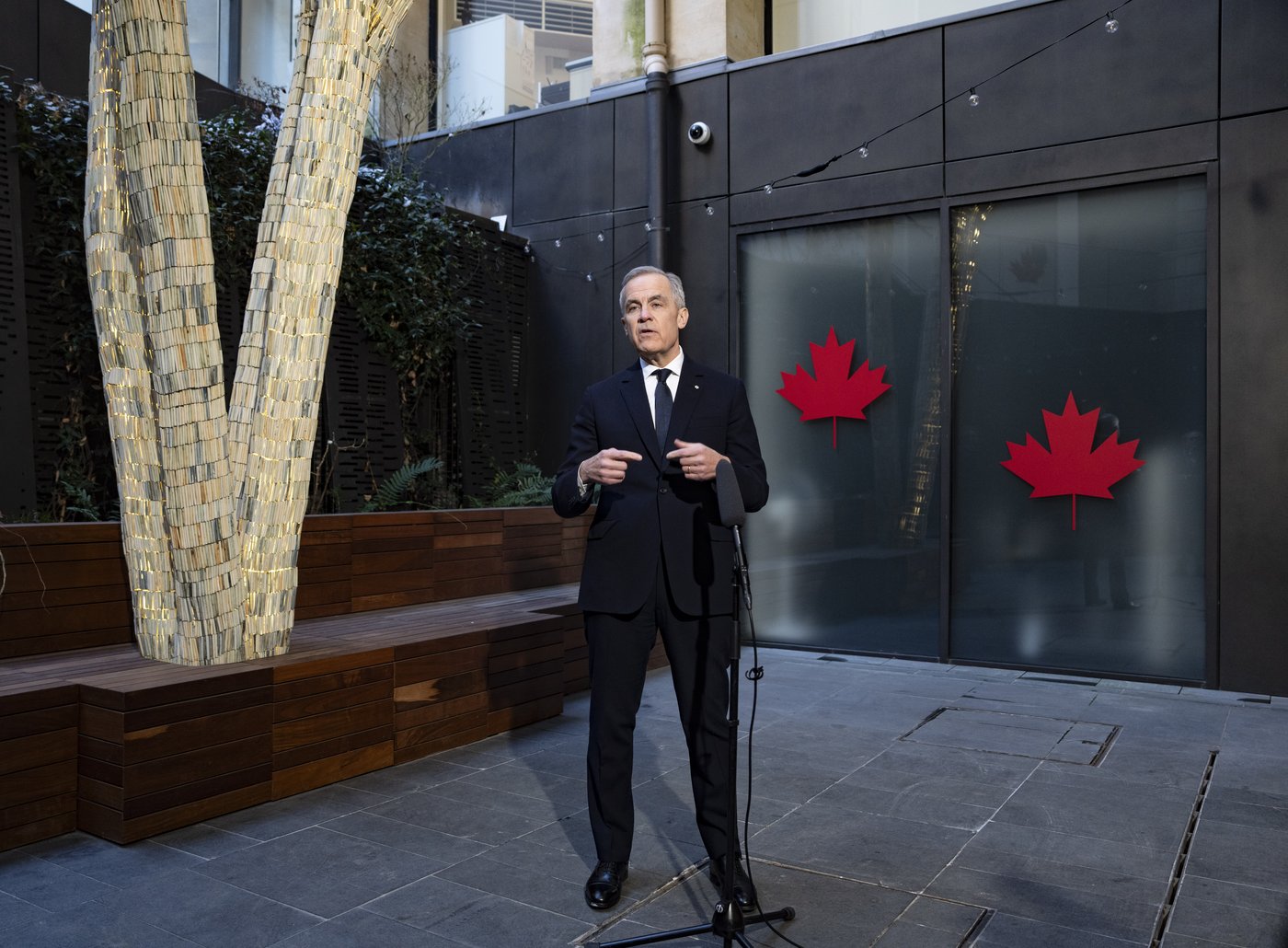
In Paris for talks on Ukraine Tuesday, Carney was asked if U.S. President Donald Trump’s push to take control of Venezuela’s oil industry heightens the need for a pipeline to B.C.’s northwest coast.
“We welcome the prospects of greater prosperity in Venezuela. But we also see the competitiveness of Canadian oil,” Carney said.
“And in that context, a pipeline and exports to Asia, we’ve got competitive product, and we’d be diversifying our markets, and that’s one of the reasons why we signed the comprehensive MOU with Alberta. So we’d be working toward that.”
The Trump administration shocked the world Saturday when it captured Venezuelan President Nicolas Maduro in a military raid that followed months of airstrikes on Venezuelan boats that Washington said were smuggling drugs.
Trump has said openly he plans to take control of the country’s oil industry and encourage American companies to revitalize the sector.
Poilievre wrote in his letter to Carney that this move by the U.S. has “altered the global energy landscape.”
Canada and other democracies condemned Maduro after the 2018 and 2024 elections, which were seen as stolen, and after years of human rights abuses.
Poilievre wrote that Canada was right to refuse to recognize an “illegitimate regime” and said he supports the right of the Venezuelan people to choose their own future.
He warned Venezuela’s heavy crude production “could rapidly rebound to historic levels,” putting it in direct competition with Canada for space in American refineries that specialize in heavy crude.
“Every barrel the United States sources from Venezuela could mean one less barrel these refineries would buy from Canada. We therefore need new markets to sell to, and we need them quickly,” he wrote.
Carney said in Paris that a “functioning, not corrupt” Venezuela producing more oil would be good for the country’s people and stability in the Western Hemisphere.
“It’s been our view, and we’re working toward this, that Canadian oil will be competitive because it is low-risk,” he said.
“There’s been huge progress in getting down the cost and low carbon, which is what the Pathways Project carbon capture will bring.”
The MOU — memorandum of understanding — that Ottawa signed with the Alberta government late last year ties the coastal pipeline project to the proposed Pathways Alliance carbon capture project. Government officials have said the two projects must be built in tandem.
Venezuela has the world’s largest proven crude oil reserves of approximately 303 billion barrels, according to the U.S. Energy Information Administration — roughly 17 per cent of all global oil reserves.
Venezuela’s oil industry is in disrepair after years of neglect and international sanctions. Analysts say it could take years and major investments to dramatically increase production — but some believe the country could double or triple its current output of about 1.1 million barrels a day fairly quickly.
Poilievre pointed out that Carney has not clearly expressed support for an oil pipeline to the B.C. coast and that many Liberal members of Parliament oppose the idea.
Ottawa’s agreement with Alberta says the pipeline would be constructed and financed by the private sector, with Indigenous communities obtaining benefits and co-ownership.
The agreement also says an application for a pipeline project will be ready to submit to the major projects office — a body that Carney’s government created early in its mandate to speed up the approval process for big infrastructure projects — by July 1.
In his letter, Poilievre wrote that the Conservatives are calling on the government to commit to approving that project proposal within 60 days.
On Monday, Alberta Premier Danielle Smith said in a social media post that the events in Venezuela “emphasize the importance that we expedite the development of pipelines to diversify our oil export markets,” including a pipeline to the coast.
Smith said her government is working to submit an application to the major projects office and “expects the federal government to move forward with urgency.”
This report by The Canadian Press was first published Jan. 6, 2026.
— With files from Lisa Johnson in Edmonton and The Associated Press
News from © The Canadian Press, . All rights reserved.
This material may not be published, broadcast, rewritten or redistributed.

This site is protected by reCAPTCHA and the Google Privacy Policy and Terms of Service apply.
Want to share your thoughts, add context, or connect with others in your community?
You must be logged in to post a comment.