Elevate your local knowledge
Sign up for the iNFOnews newsletter today!
Sign up for the iNFOnews newsletter today!
Selecting your primary region ensures you get the stories that matter to you first.

President Donald Trump’s renewed interest in acquiring Greenland from Denmark fits into a long, little-known pattern in U.S. history. From quiet discussions after the Civil War to a $100 million offer in the wake of World War II, American leaders have repeatedly seen Greenland as a strategic prize.
Here’s a look:
1867–1868: Early US interest after the Alaska purchase
After the U.S. bought Alaska from Russia, officials under Secretary of State William Seward discussed acquiring Greenland as part of a broader push into the Arctic.
Seward noted the territory was rich in natural resources, including coal. But the idea never advanced to a formal offer, as Congress had little interest in pursuing another Arctic acquisition.
1910: Proposed land swap involving Greenland
Under President William Howard Taft, American diplomats floated a complex land-exchange plan that would have transferred Greenland to the United States in return for concessions elsewhere. Denmark rejected the proposal, and it quickly collapsed.
1946: Formal post–World War II purchase offer
At the outset of the Cold War, President Harry Truman’s administration formally offered Denmark $100 million in gold to buy Greenland, citing its strategic importance. During World War II, a U.S.-built airfield on the island had served as a major refueling point for military planes en route to Europe.
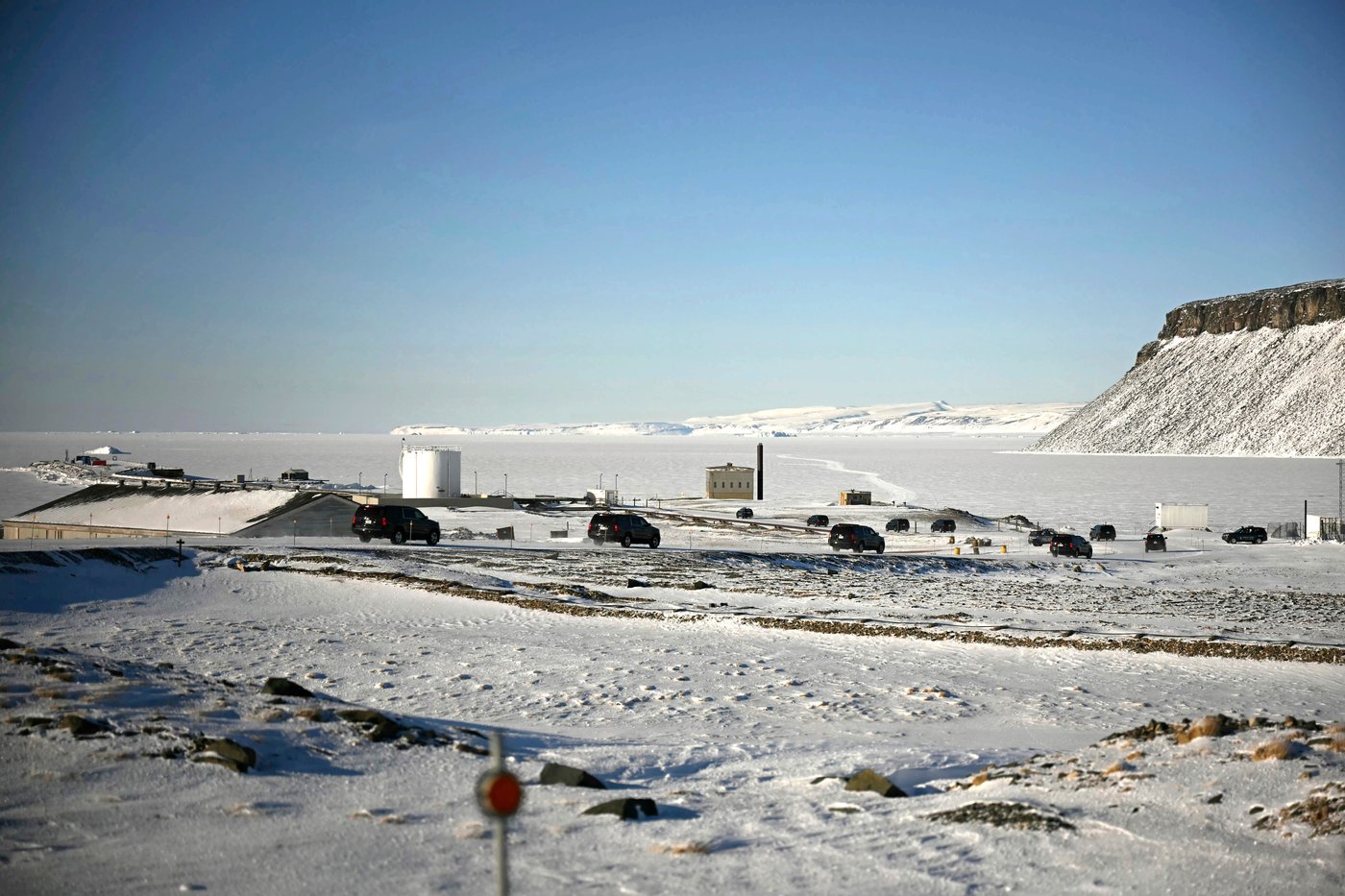
Denmark rejected Truman’s offer, though the U.S. retained military access. That presence continues today at the remote Pituffik Space Base, the U.S. Department of Defense’s northernmost installation.



News from © The Associated Press, . All rights reserved.
This material may not be published, broadcast, rewritten or redistributed.

This site is protected by reCAPTCHA and the Google Privacy Policy and Terms of Service apply.
Want to share your thoughts, add context, or connect with others in your community?
You must be logged in to post a comment.