Elevate your local knowledge
Sign up for the iNFOnews newsletter today!
Sign up for the iNFOnews newsletter today!
Selecting your primary region ensures you get the stories that matter to you first.
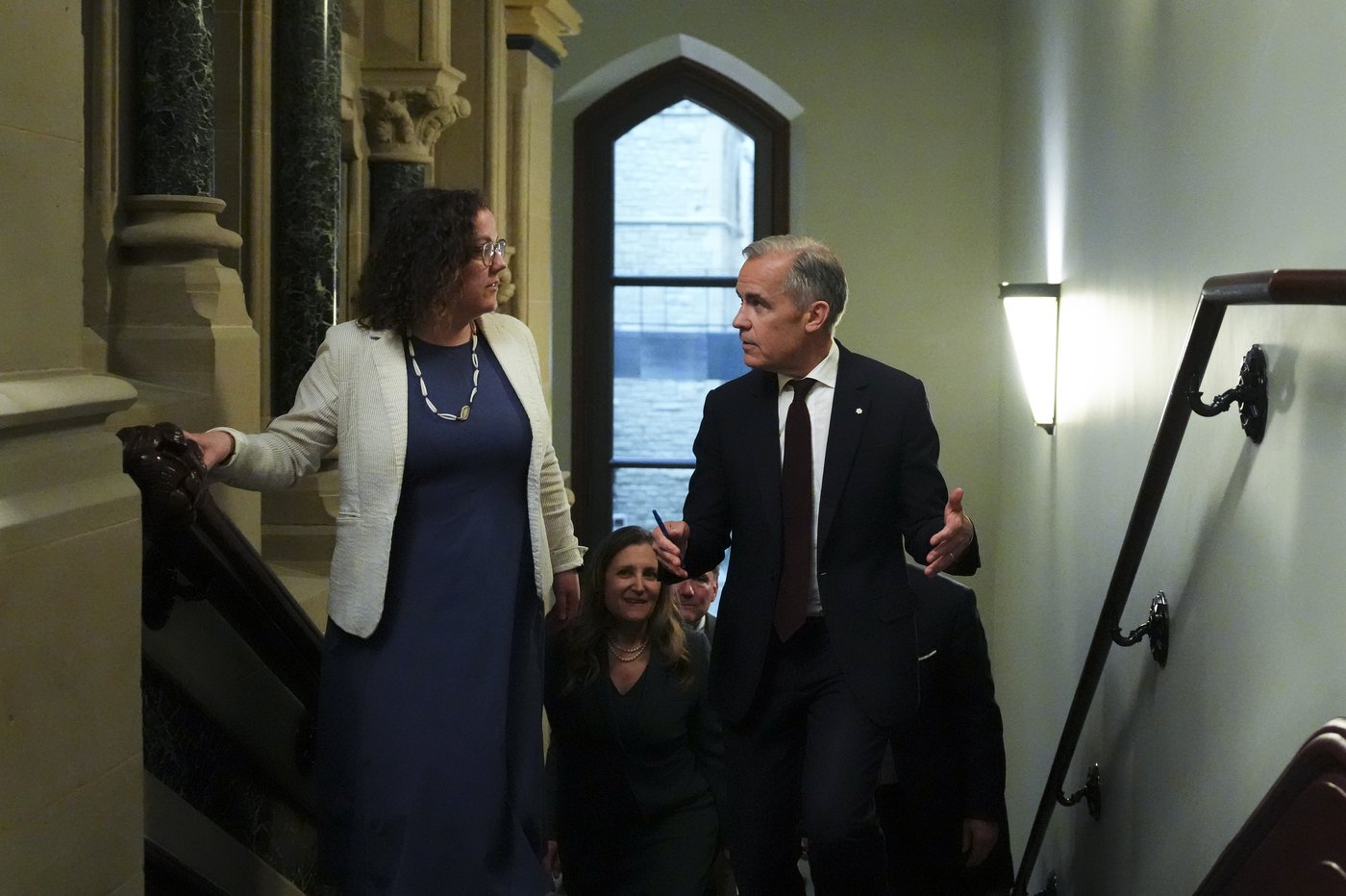
OTTAWA — Prime Minister Mark Carney will meet with Coastal First Nations on Tuesday to discuss major projects and marine conservation.
Carney is travelling to Prince Rupert, B.C. for the meeting, along with Natural Resources Minister Tim Hodgson, whose relationship with Coastal First Nations got off to a rocky start.
Hodgson did not meet with the alliance of nine First Nations before Carney signed an agreement with Alberta that opens the door to a pipeline to B.C.’s coast.
He was forced to apologize after quipping in a television interview that he could have met alliance members via Zoom.
Carney and Coastal First Nations are expected to talk about the federal government’s major projects agenda and how Indigenous communities can be included in the push to strengthen the Canadian economy in response to economic threats from the United States.
Housing and Infrastructure Gregor Robertson is also expected to attend, along with Vancouver MP Wade Grant. Crown-Indigenous Relations Minister Rebecca Alty will not be attending the meeting.
Coastal First Nations works to protect the B.C. coastline and the Great Bear Rainforest and to ensure First Nations have a say in how resources and waters are managed.
Its president Marilyn Slett, who also serves as chief councillor of the Heiltsuk Tribal Council, has been an outspoken critic of the agreement signed between Alberta and Ottawa, including the potential for a tanker ban moratorium to be lifted.
“As the rights and titleholders of B.C. North and Central Coast and Haida Gwaii, we must inform Premier (Danielle) Smith once again that there is no support from coastal First Nations for a pipeline and an oil tankers project in our coastal waters,” Slett said in October.
The GitxaaIa Nation, a member of the Great Bear Initiative, said in its own statement that it remains opposed to any crude oil project on the Northern coast.
“Attempts to use empty promises from engagement or consultation to clear the way for any pipeline is an old and tired ploy, one that Gitxaała is more than familiar with,” said Linda Innes, elected chief councillor of Gitxaała Nation.
Since becoming prime minister last spring, Carney has had less success than his predecessor in building relationships with Indigenous communities.
The troubles began shortly after he became prime minister, when he said he met with First Nations in Nunavut when referring to Inuit.
Soon after, his government was hinting at introducing legislation designed to speed up the development of major projects and providing Indigenous communities just one week to review a summary of the bill before it was introduced in the House of Commons — a marked departure from the Trudeau era where Indigenous leaders were often including in the drafting of legislation that could impact their communities.
After its passage Indigenous leaders warned widespread protests and blockades could be on the table should their rights not be respected, leading Carney to develop an Indigenous advisory committee for the newly-formed major projects office to help them engage with affected groups.
He held summits with First Nations, Inuit and Métis leaders over the summer to discuss the legislation, and participated in the Assembly of First Nations special gathering in December alongside a handful of ministers.
First Nations in Canada have distinct rights born from their treaty relationship with the federal government, along with inherent rights recognized by the Constitution.
The federal government has also adopted the United Nations Declaration on the Rights of Indigenous Peoples which stipulates free, prior and informed consent must be granted before projects are greenlit that can affect their lands and resources.
Debate has ensued from politicians and First Nations over what that consent looks like, with it generally understood to not be a veto.
Conservative Leader Pierre Poilievre has vowed he would push forward a pipeline even if First Nations objected to one, while Carney’s government has been careful to frame it more as a discussion than an ultimatum.
Canadian Culture Minister Marc Miller, who previously served as minister of Crown-Indigenous relations, posted on social media Monday Poilievre’s strategy is a surefire way to “get absolutely nothing built.”
First Nations in B.C. have brought governments and industry to courts over pipeline development, most recently against the Coastal GasLink natural gas pipeline across northern B.C. The protests led to rail blockades by Indigenous people countrywide just before the pandemic.
This report by The Canadian Press was first published Jan. 12, 2026.
— With files from Ashley Joannou
News from © The Canadian Press, . All rights reserved.
This material may not be published, broadcast, rewritten or redistributed.

This site is protected by reCAPTCHA and the Google Privacy Policy and Terms of Service apply.
Want to share your thoughts, add context, or connect with others in your community?
You must be logged in to post a comment.