Elevate your local knowledge
Sign up for the iNFOnews newsletter today!
Sign up for the iNFOnews newsletter today!
Selecting your primary region ensures you get the stories that matter to you first.
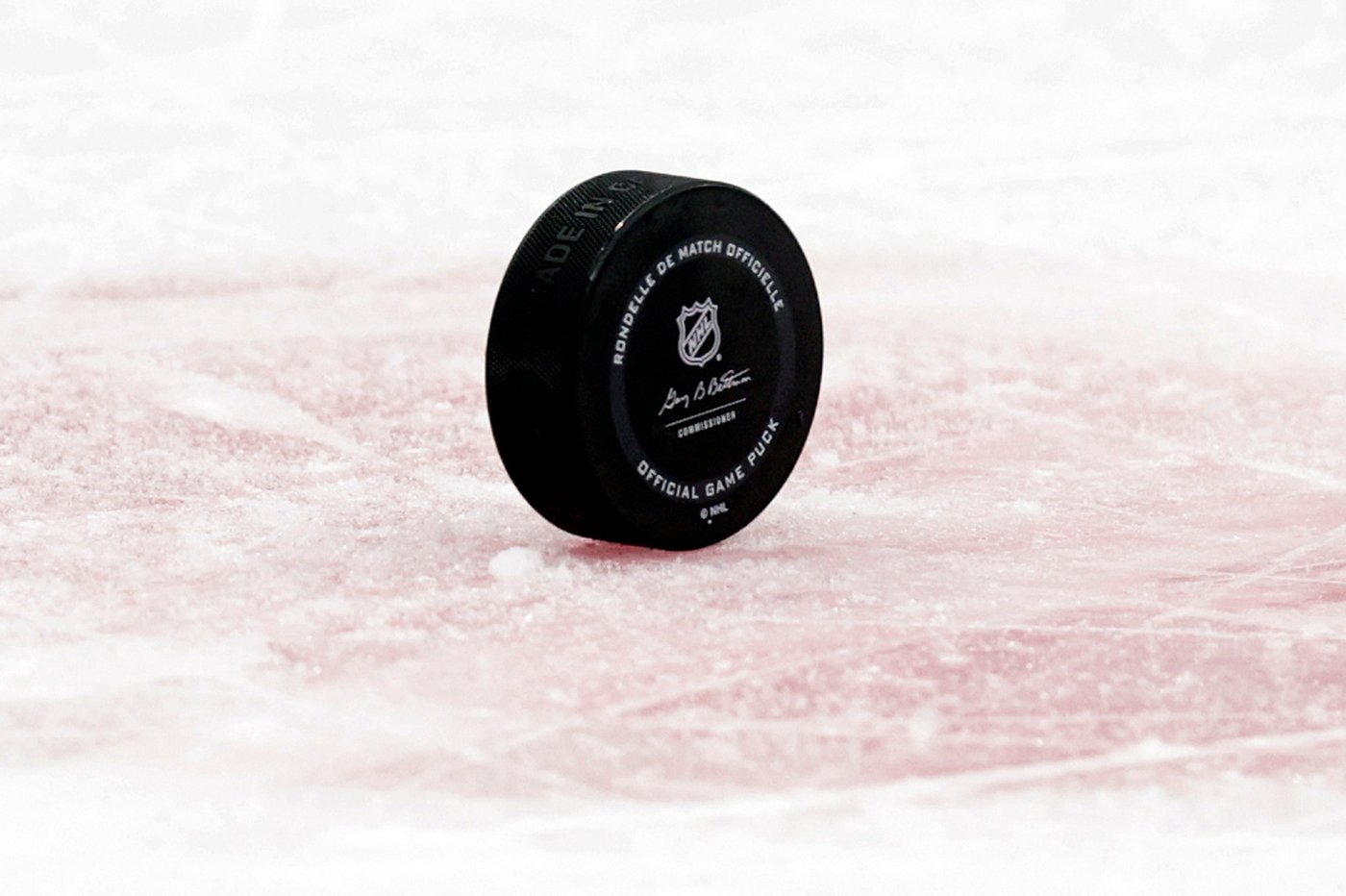
NASHUA, N.H. (AP) — The United States Premier Hockey League unveiled a performance-based name, image and likeness compensation that is the first of its kind at the junior level in North America.
The USPHL announced this week it is implementing a league-wide NIL cap of $250,000 per season beginning now, with $180,000 for its Premier Division and another $70,000 toward the National Collegiate Development Conference. Money will be allocated for individual honors as well as championship success.
“The USPHL is now the only junior hockey organization where players can earn verified NIL income while competing at elite national levels, reducing or offsetting tuition costs, building measurable college recruiting leverage and advancing through a paid, performance-based development ladder,” the league said. “Instead of paying to play with no return, athletes now compete inside a system that rewards excellence both financially and developmentally.”
The system the league calls a form of modernization comes as the sport’s landscape is shifting following NCAA rule changes that are redistributing developmental talent in the U.S. and Canada. Some players from the USPHL go on to play college hockey.
___
AP sports: https://apnews.com/sports
News from © The Associated Press, . All rights reserved.
This material may not be published, broadcast, rewritten or redistributed.

This site is protected by reCAPTCHA and the Google Privacy Policy and Terms of Service apply.
Want to share your thoughts, add context, or connect with others in your community?
You must be logged in to post a comment.