Elevate your local knowledge
Sign up for the iNFOnews newsletter today!
Sign up for the iNFOnews newsletter today!
Selecting your primary region ensures you get the stories that matter to you first.

The usual answer for crime complaints in Kamloops and Okanagan municipalities is to increase police budgets. But a look at the numbers shows those budgets have risen dramatically in recent years while crime rates and other factors remain stagnant.
Police and the municipalities caution that these increased budgets must factor in inflation, population growth and higher costs per officer, factors beyond their control. Crime rates are also notoriously difficult to interpret, so we wanted to show just hard numbers going back to 2019, before police budgets started their dramatic rise, to compare to population growth, inflation, how many files per officer and more over the same time period.
According to the Bank of Canada, inflation drove up costs by roughly 21 per cent since 2019.
The average cost per RCMP member in 2026 is $254,000. In 2019, the average cost per member was $173,000, a 46 per cent increase in the same time frame.
Kelowna RCMP received 60,674 calls for service in 2019, 58,972 calls in 2020 and 63,888 calls in 2021. That’s a 5 per cent increase in two years. The RCMP slightly changed how it publicly reports calls for service, so in 2024 it received 34,547 calls per 100,000 people.
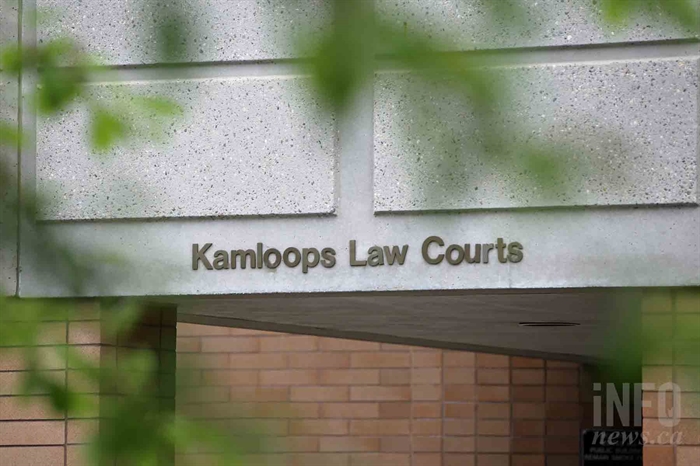
Kamloops RCMP dealt with 45,913 files in 2019 and in 2024 that figure was down to 42,961. That’s a 6 per cent decrease in five years.
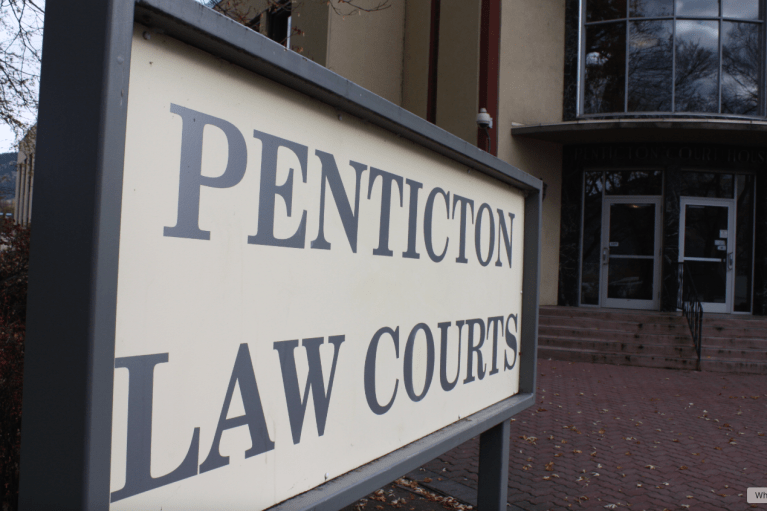
Penticton RCMP received 17,788 calls for service in 2019 and it was down to 17,175 in 2024. That’s a 3 per cent decrease in five years.
Vernon RCMP received around 20,000 calls for service in 2019 and in 2024 it received 18,000, a 10 per cent decrease in five years.
Crime rates have gone down across the board in all four cities, while the number of incidents peaked around 2021 and 2022, but have since started to decline.
A police incident is one single event where at least one crime was committed, regardless of the number of crimes, victims or people accused.
Case loads are defined as the number of criminal offences per sworn officer, which represents the workload per officer. The Ministry of Public Safety said case load is a better indicator for an officer’s workload than population or crime rate.
The City of Kelowna’s community safety director Darren Caul told iNFOnews.ca that there are a lot of factors that influence the cost of policing in Kelowna and across Canada, and population growth is only one.
“There’s a rise in the volume and severity of social issues. Salary costs and policing across the country continue to rise, and we have a contract, a significant retroactive contract payment in 2022-2023, and we are always looking to improve service levels in our community,” he said.
Caul said while people might not see the impacts of more policing in their neighbourhoods, the RCMP is busy behind the scenes investigating things like organized crime and domestic violence.
“We understand that perceptions of resourcing, they vary widely based on your individual experience,” he said. “A lot of the police activity and police resources are dedicated to crimes that the community is not, does not necessarily see and is not visible.”
Kelowna RCMP Supt. Chris Goebel was not made available for an interview.
A note about the data: Municipalities all report information differently in their budgets. We relied on data from the Ministry of Public Safety and Solicitor General, which tallies up total RCMP costs per municipality consistently across jurisdictions. Municipalities over 15,000 people pay 90 per cent of the total RCMP cost.
News from © iNFOnews.ca, . All rights reserved.
This material may not be published, broadcast, rewritten or redistributed.

This site is protected by reCAPTCHA and the Google Privacy Policy and Terms of Service apply.
Want to share your thoughts, add context, or connect with others in your community?
You must be logged in to post a comment.