Elevate your local knowledge
Sign up for the iNFOnews newsletter today!
Sign up for the iNFOnews newsletter today!
Selecting your primary region ensures you get the stories that matter to you first.
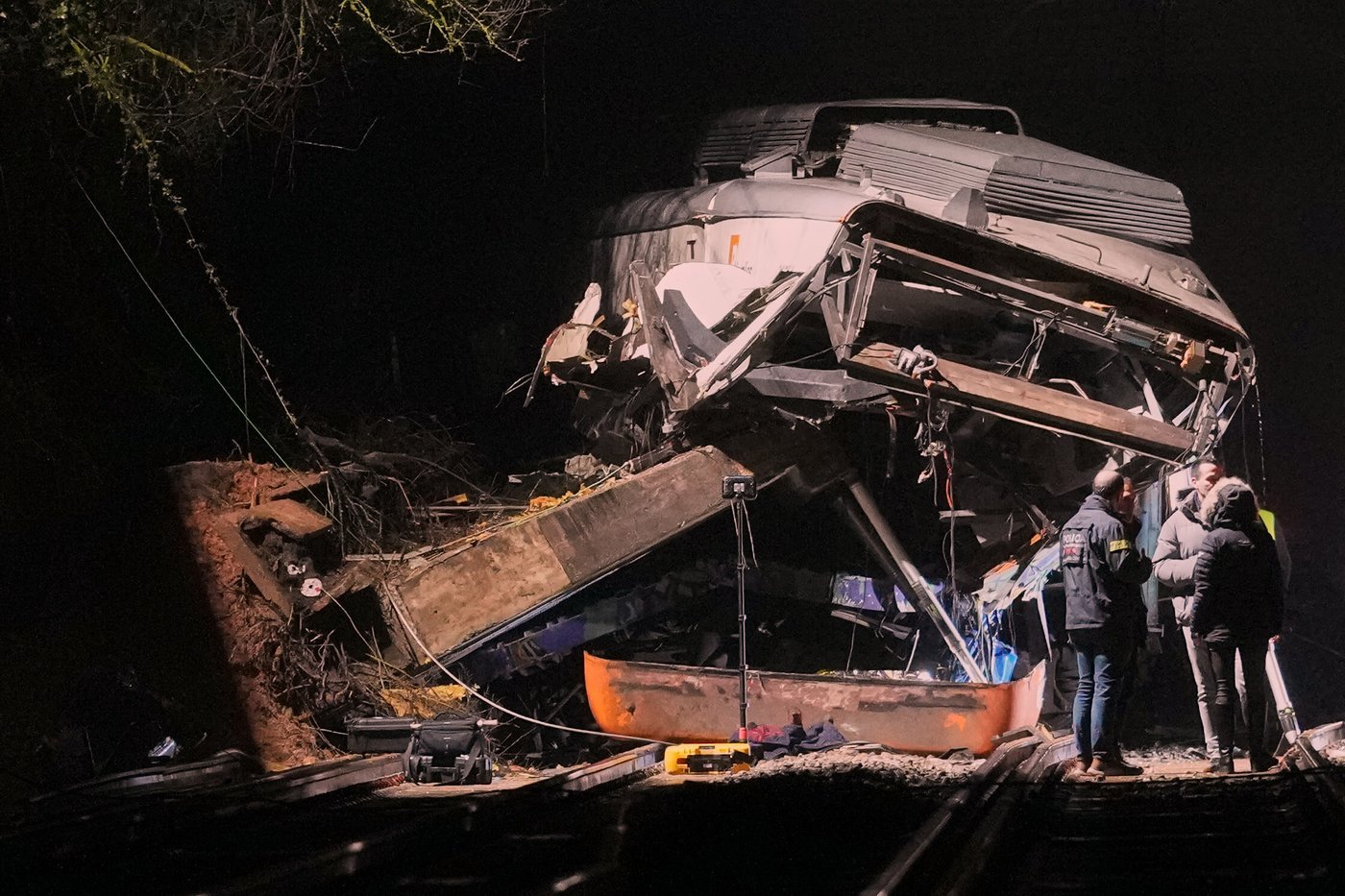
MADRID (AP) — A high-speed train in southern Spain derailed Sunday evening, colliding with another high-speed train, killing at least 42 people and injuring more than 150, Spanish authorities reported.
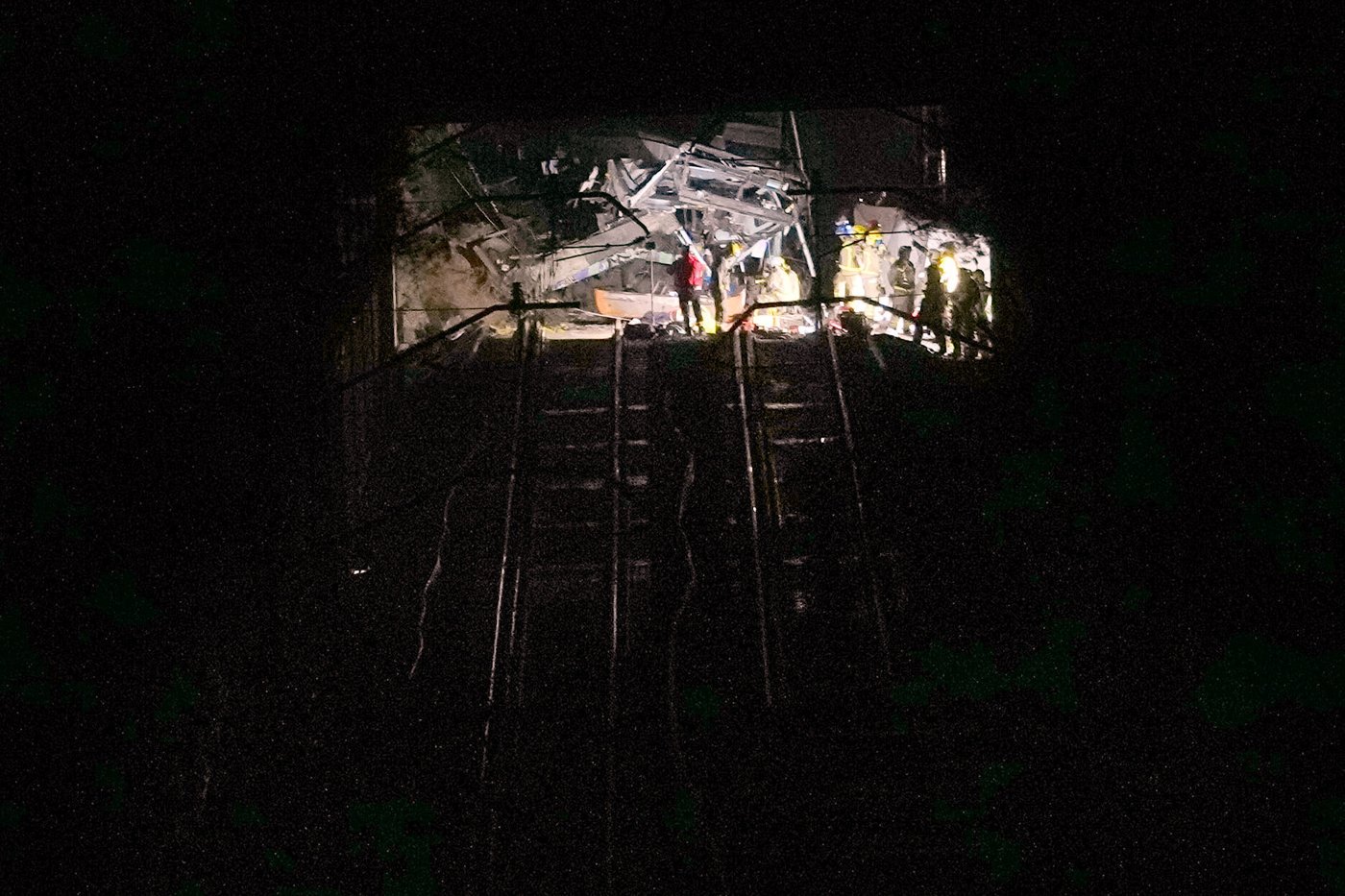
Recovery efforts were still ongoing Tuesday and officials said the death toll is likely to rise. The accident was the deadliest in Spain since a 2013 crash that killed 80 people when a commuter train hurtled off the rails as it came around a bend going too fast.
Tuesday night, another train accident happened in northeastern Spain, this time killing at least one person.
Here’s what to know about the two crashes:
Derailment and collision
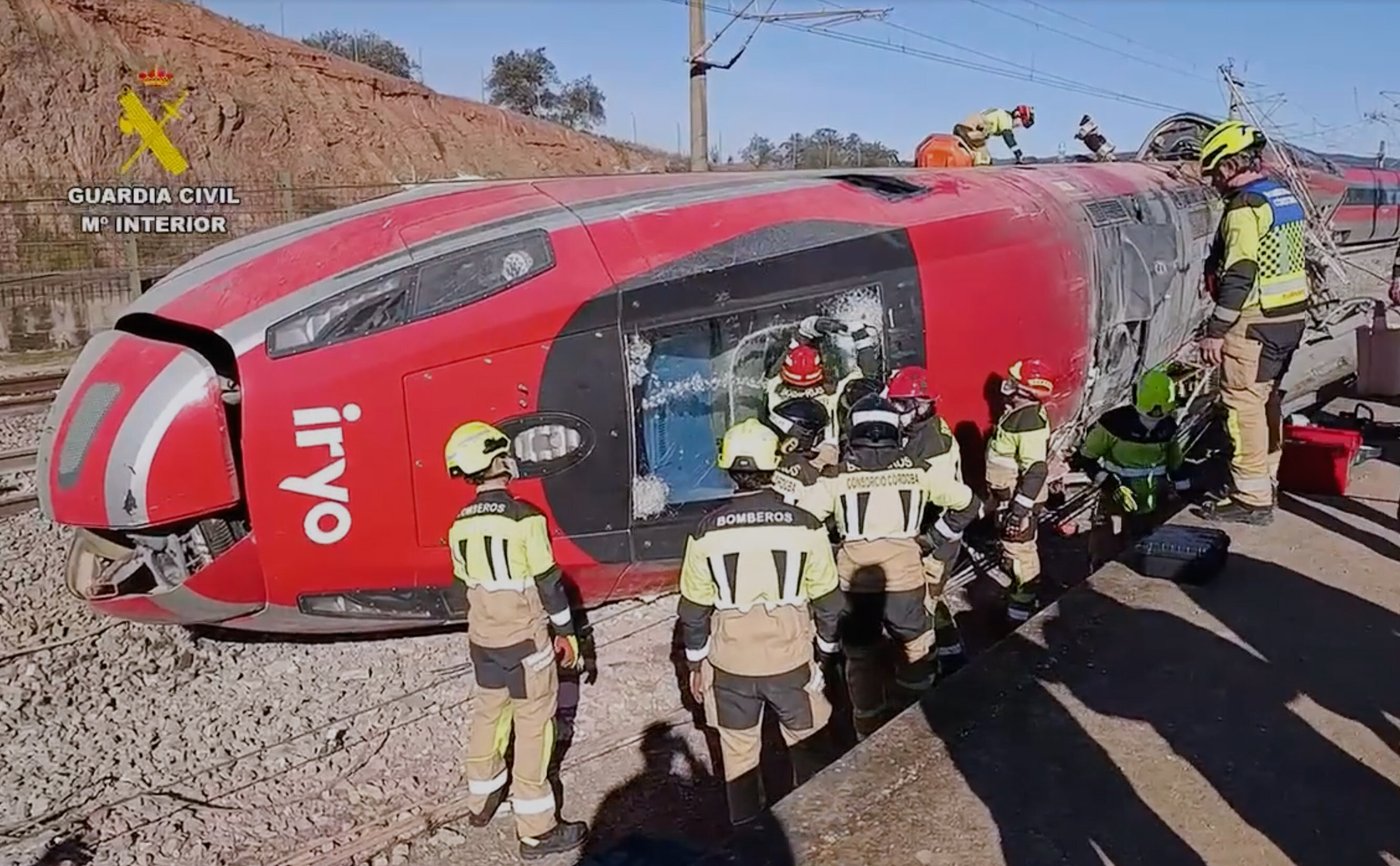
The Sunday derailment happened at 7:45 p.m. when the tail end of a train carrying 289 passengers on the route from Malaga to the capital, Madrid, went off the rails. It slammed into an incoming train traveling from Madrid to Huelva carrying some 200 people, according to rail operator Adif.
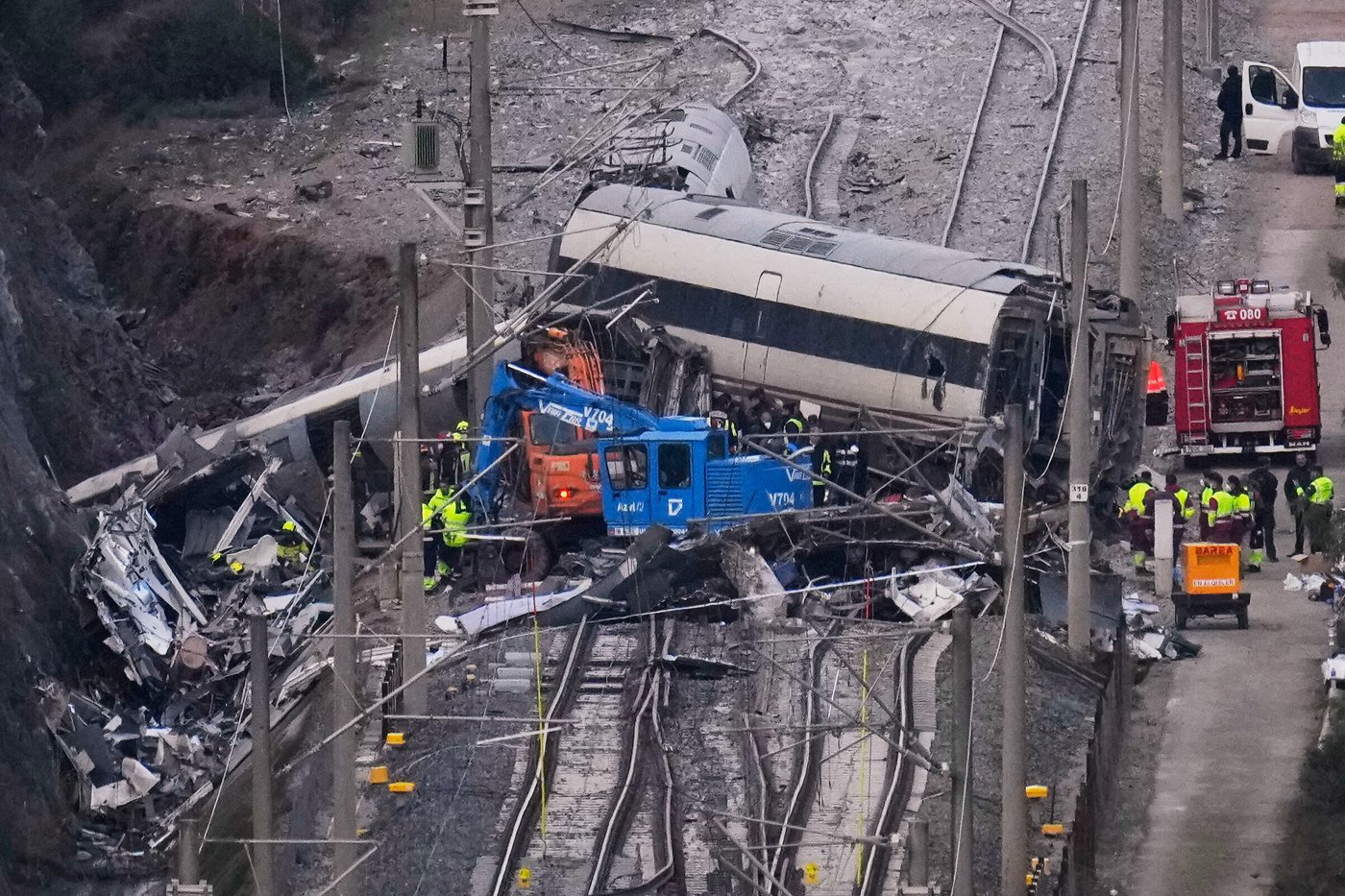
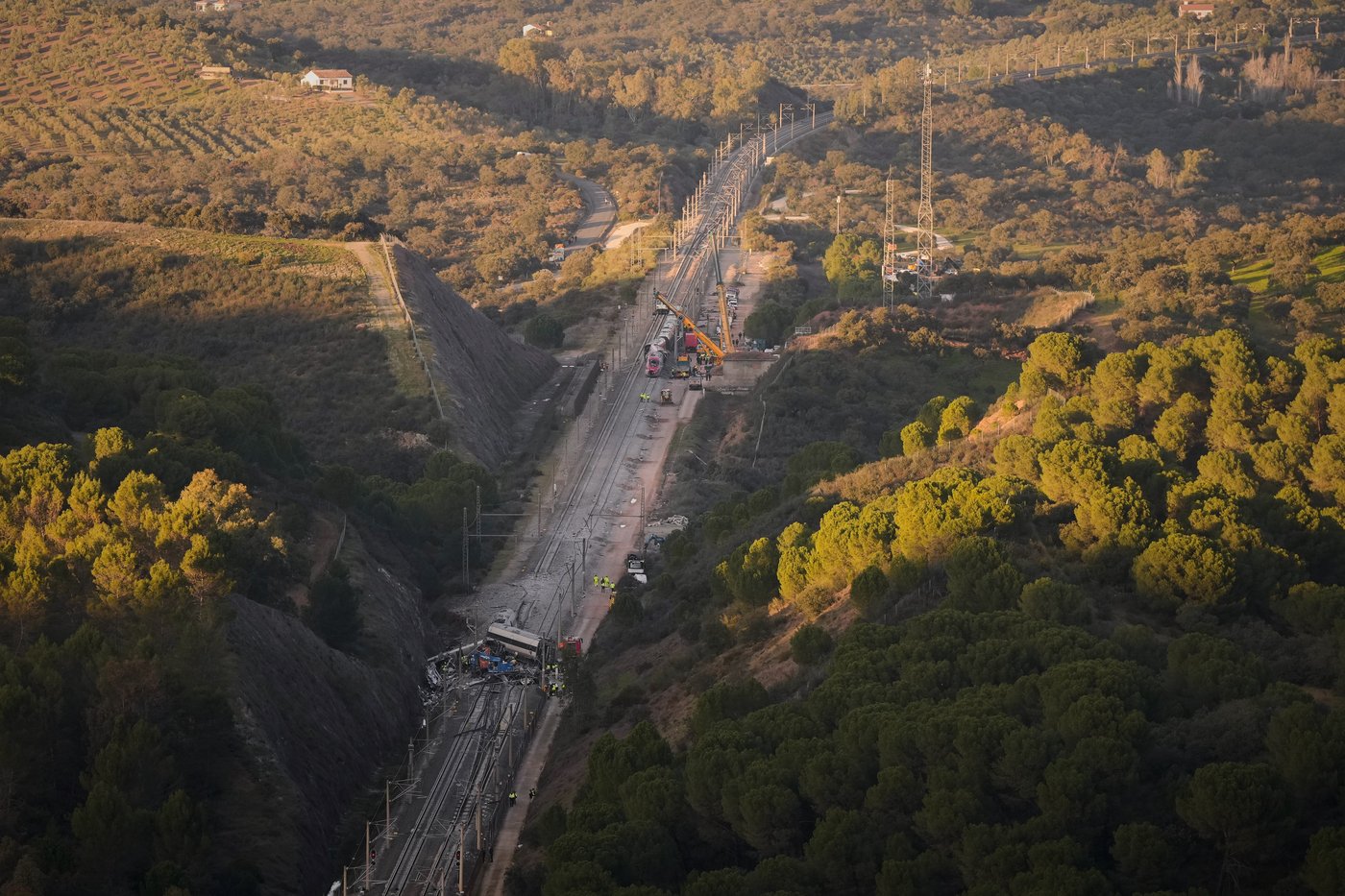
The head of the second train took the brunt of the impact, Transport Minister Óscar Puente said. That collision knocked its first two carriages off the track and sent them plummeting down a 4-meter (13-foot) slope. The collision took place near Adamuz, a town in the province of Cordoba, about 370 kilometers (about 230 miles) south of Madrid.
“The impact was so incredibly violent that we have found bodies hundreds of meters away,” Andalusia’s regional President Juan Manuel Moreno said.
Spanish Prime Minister Pedro Sánchez declared three days of national mourning starting Tuesday, when Spain’s King Felipe VI and Queen Letizia visited the accident site.
Spain’s Guardia Civil is collecting DNA samples from family members who worry they have loved ones among the dead.
‘Human error could be ruled out’
Explanations about what caused the crash were scant, with an official investigation underway.
Álvaro Fernández, the president of Renfe, told Spanish public radio RNE that both trains were traveling well under the speed limit of 250 kph (155 mph) and “human error could be ruled out.”
Transport Minister Puente called the crash “truly strange” since it happened on a flat stretch of track that had been renovated in May. But Puente said late Monday that officials had found a broken section of track.
“Now we have to determine if that is a cause or a consequence (of the derailment),” Puente told Spanish radio Cadena Ser.
The train that jumped the track belonged to the private company Iryo, while the second train, which took the brunt of the impact, belonged to Spain’s public train company, Renfe.
Iryo said in a statement Monday that its train was manufactured in 2022 and passed its latest safety check on Jan. 15.
The Spanish Union of Railway Drivers told The Associated Press it sent a letter in August asking Spain’s national railway operator to investigate flaws on train lines across the country and to reduce speeds at certain points until the tracks were fully repaired. Those recommendations were made for high-speed train lines, including the one where Sunday’s accident took place, the union said.
Expansion of high-speed rail network
Spain has spent decades investing heavily in high-speed trains. It currently has the largest rail network in Europe for trains traveling over 250 kph, with more than 3,900 kilometers (2,400 miles) of track, according to the International Union of Railways.
The network is a popular, competitively priced and safe mode of transport. Sunday’s accident was the first with deaths on Spain’s high-speed rail network since it opened its first line in 1992.
Tuesday evening crash
A Barcelona commuter train crashed Tuesday after a retaining wall fell onto the tracks, Spanish regional authorities said, killing one person and injuring at least 37 others.
While Spain’s high-speed rail network generally runs smoothly, and at least until Sunday had been a source of confidence, the commuter rail service is plagued by reliability issues. However, accidents causing injury or death are not common for either.
News from © The Associated Press, . All rights reserved.
This material may not be published, broadcast, rewritten or redistributed.

This site is protected by reCAPTCHA and the Google Privacy Policy and Terms of Service apply.
Want to share your thoughts, add context, or connect with others in your community?
You must be logged in to post a comment.