Elevate your local knowledge
Sign up for the iNFOnews newsletter today!
Sign up for the iNFOnews newsletter today!
Selecting your primary region ensures you get the stories that matter to you first.
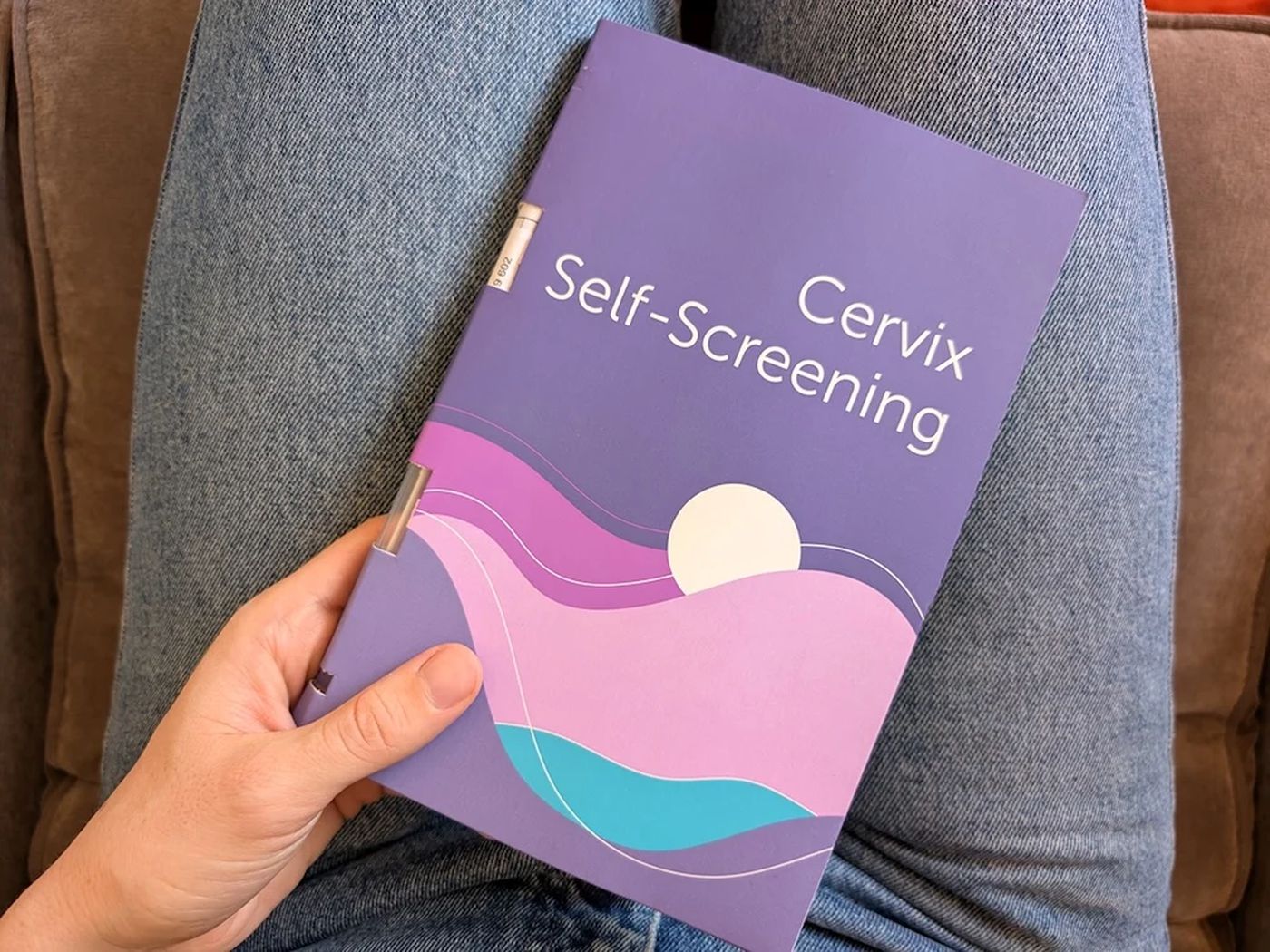
BC Cancer is recommending people try out a new self-screening test that can gauge cervical cancer risk from the comfort of their own home.
The test, which checks for human papillomavirus, or HPV, infection, is mailed to a patient’s home address and self-administered.
By offering this HPV test and the more traditional Pap test, B.C. is boosting the number of people getting tested for cervical cancer for the first time, said Dr. Lily Proctor, a surgical gynecologic oncologist at BC Cancer and Vancouver General Hospital.
That’s great news, because cervical cancer is almost entirely preventable through a combination of early vaccination against HPV, regular screening for HPV and followups for any abnormal test results, Proctor said.
Cervical cancer starts with an HPV infection
Cervical cancer is caused by an HPV infection. HPV is one of the most common sexually transmitted infections. It’s estimated three out of every four people who have not been vaccinated against HPV will be infected at some point in their life, according to BC Cancer.
Between 80 and 90 per cent of those infected will recover on their own within one to two years, which means they are no longer at risk of cervical cancer.
But 10 to 20 per cent of those infected won’t clear the infection, and within five to 10 years their body might start to develop precancerous cells, which can lead to cervical cancer.
In a given year about 250 people will be diagnosed with cervical cancer in the province and between 50 and 60 people will die, said a spokesperson for BC Cancer.
But when cervical cancer is caught in the earliest stage, the five-year survival rate is over 90 per cent, they added.
Self-screening is improving access to testing
In January 2024, B.C. started offering a cervical self-testing swab kit that people could use at home or in a doctor’s office to test for an HPV infection.
The test requires inserting a cotton swab into the vagina for 20 seconds. The swab is then placed in an envelope, which is provided with the testing kit, and mailed to a lab.
The person will get their results in four to six weeks.

The test is not painful and offers many benefits compared with a Pap test, Proctor said. Patients can do the test themselves in the comfort of their home, which reduces travel time and lets people with a history of trauma or difficulties with a pelvic exam do their own test. The test is also more accessible for people in rural, remote or Indigenous communities and frees up time for primary care givers to see more patients.
The HPV test has been shown to improve access, uptake and acceptability of cervical cancer screening, she added.
This will hopefully help improve testing for First Nations, Indigenous populations and immigrant communities who have disproportionately higher rates of cervical cancer, likely because of difficulty accessing primary care providers or knowledge about testing for HPV, Proctor said.
“It really is a disease of the under-screened,” Proctor said, adding that since introducing the self-screening kit, a greater percentage of people are getting screened for the first time.
Self-screening is superior to a Pap test
The HPV test is actually more effective at detecting an HPV infection than a Pap test, Proctor said.
A Pap test is administered by a health-care professional who collects a cell sample from a patient’s cervix. The sample is sent to a lab where it is looked at to check for changes to the cervical cells, which could indicate an HPV infection and the presence of precancerous cells or cervical cancer.
By comparison, the self-screening test checks for the presence or absence of HPV, with a negative test showing the risk of developing cervical cancer is low. The test is just as effective whether it’s done by a doctor or a patient, Proctor said.
“The sensitivity of an HPV test is far superior to a Pap test, which is why the World Health Organization, the Canadian Partnership Against Cancer and all of the provinces and territories are advocating for transitioning to HPV testing compared to the Pap test,” she added.
However, a negative test isn’t a guarantee of being cancer-free.
She recommends a person talk to their doctor if they have abnormal bleeding, abnormal discharge, pelvic pain, or pain or bleeding after intercourse.
Cervical cancer screening is recommended to anybody over the age of 25 who has a cervix and has ever been sexually active. Depending on what province or territory a patient lives in, they will be offered a Pap test every three years or an HPV test every five years.
In B.C. a patient can choose whether they want their doctor to do a Pap test or an HPV test, or to do the HPV test themselves.
If a patient tests positive for HPV, they should see a doctor to get a Pap test and be monitored for precancerous or cancerous cells, Proctor said.
When cervical cancer is in its early and asymptomatic stage it’s “highly curable,” but it gets more dangerous the longer the disease has to spread.
The challenge is when the cancer is caught later, because fighting the cancer is harder and treatment can include a loss of fertility, major surgery and radiation, Proctor said.
Cervical precancers are most common in people aged 30 to 40, with cancer rates starting to increase in people aged 40 to 50.
A cancer vaccine
In Canada the Gardasil 9 vaccine is used to inoculate people against the nine strains of HPV that are most likely to cause cervical, vaginal, vulvar, anal and hand and neck cancers, as well as genital warts.
The vaccine is given to children in Grade 6 as part of the routine childhood immunization schedule.
The vaccine is most effective when given before people start having sex and therefore have the opportunity to be exposed to HPV, Proctor said.
The provincial government’s website on the vaccine says it is nearly 100 per cent effective at preventing infection of the most common types of HPV that cause cervical and other cancers, and is safe, with more than 200 million doses given worldwide with 15 years of safety monitoring.
The vaccine is recommended for people of all genders in order to stop the spread of HPV and prevent HPV-related cancers, like cervical and anal cancer.
This summer B.C. expanded who can get a publicly funded vaccine to include all individuals up to 26 years old; trans, Two-Sprit and non-binary people; people living with HIV between the ages of 27 and 45; people who self-identify as gay, bisexual, and/or men who have sex with men; and people of any age who have had post-colposcopy treatments on or after July 31, 2025.
People outside of these groups can talk to their doctor about getting the vaccine and pay out of pocket.
B.C. used to recommend two doses of Gardasil 9 but this summer updated that to say one dose can provide long-lasting protection.
As of Jan. 1, 2026, approximately 68 per cent of B.C. residents who turned 18 last year were up to date for their HPV vaccine, according to BC Cancer.
B.C. launched its school-based HPV vaccination program for girls born in 1994 or later in September 2008, which means this vaccinated group is just entering their 30s.
“We expect that we’re going to see a decrease in the amount of cervical cancers in the future, but we are already seeing a decrease in the amount of cervical precancers in the vaccinated cohort,” Proctor said.
By catching precancers before they turn into cancer, B.C.’s cervix screening program has decreased the rate of diagnosed cervical cancer by over 61 per cent over the last 70 years, according to BC Cancer.
It estimates that its organized cervix screening program has reduced the mortality rate of cervical cancer by 77 per cent since 1955, saving an estimated 12,416 lives.
— This article was originally published by The Tyee
News from © iNFOnews.ca, . All rights reserved.
This material may not be published, broadcast, rewritten or redistributed.

This site is protected by reCAPTCHA and the Google Privacy Policy and Terms of Service apply.
Want to share your thoughts, add context, or connect with others in your community?
You must be logged in to post a comment.