Elevate your local knowledge
Sign up for the iNFOnews newsletter today!
Sign up for the iNFOnews newsletter today!
Selecting your primary region ensures you get the stories that matter to you first.
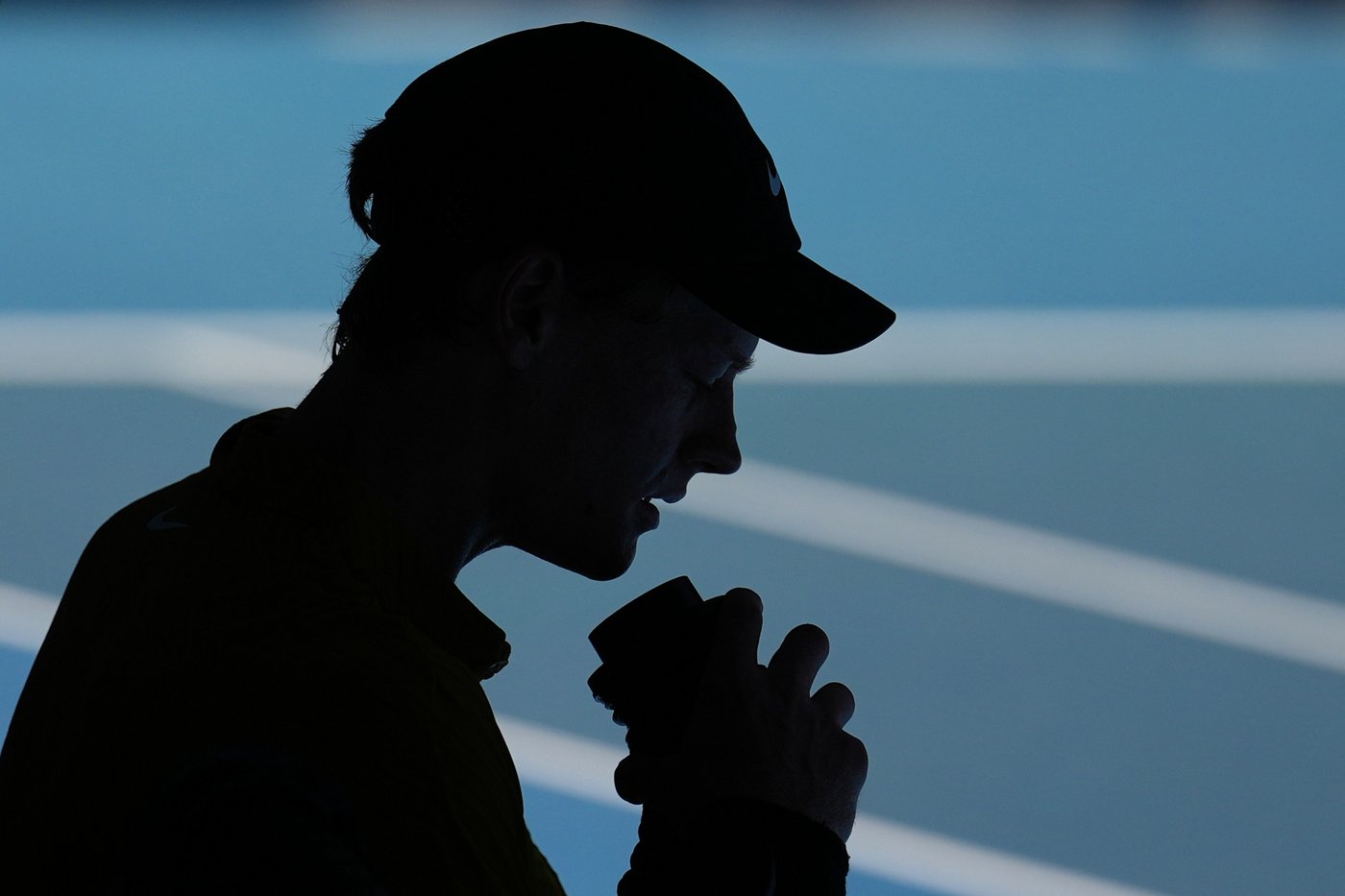
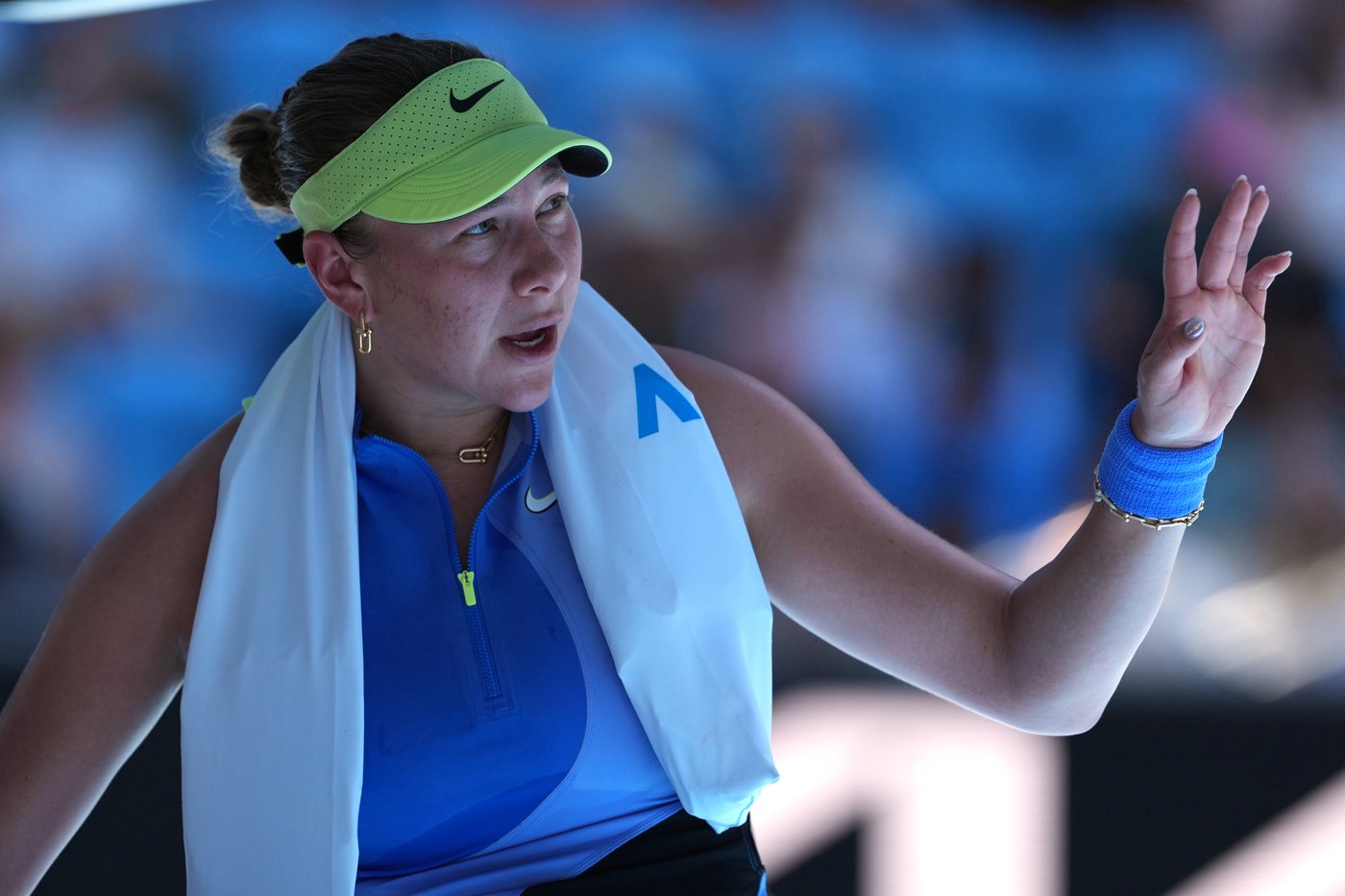
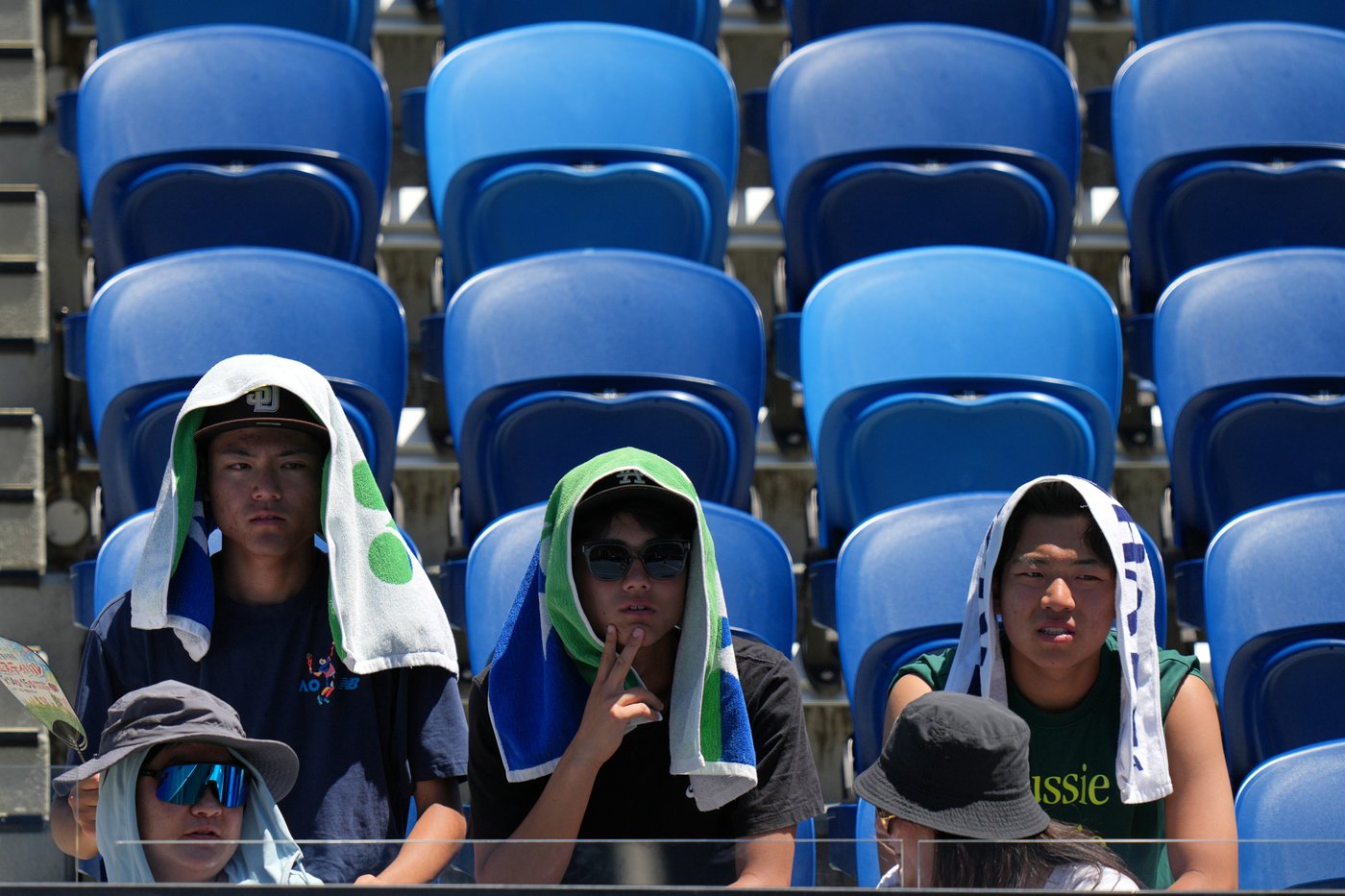
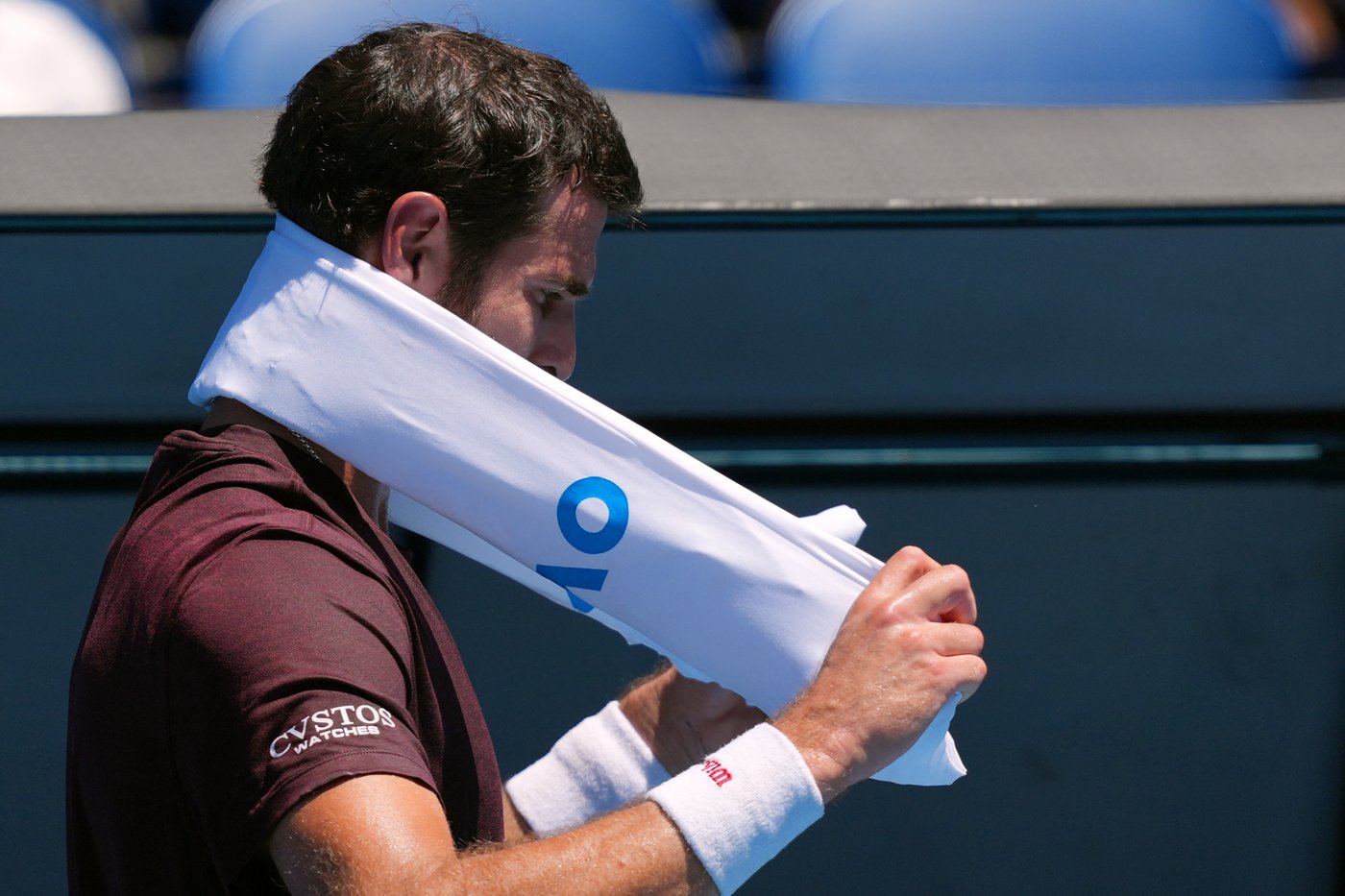
MELBOURNE, Australia (AP) — With extreme temperatures forecast for Saturday, the Australian Open started matches an hour earlier than usual on all courts at Melbourne Park.
The predicted hot weather meant the tournament’s Extreme Heat Protocol, which works on a scale based on environmental conditions including the actual temperature, would be put into play.
Here’s what to know about the Australian Open’s Extreme Heat Protocol:
The Australian Open introduced the Heat Stress Scale in 2019, a measure from 1 to 5 that takes into account four climate factors: air temperature, radiant heat, humidity and wind speed.
It was developed to provide consistency for all players and minimize the risk of heat-related illness.
It sets thresholds for cooling interventions. In the event of extreme heat, the tournament referee has the authority to suspend play or order extra cooling breaks.
Play is automatically suspended when the index hits 5 in women’s and men’s singles.
The referee may suspend the calling of any upcoming matches on outdoor courts. And if matches on the outdoor courts have been suspended, the referee may make the decision to close the roof — or to keep the roof closed — for any upcoming matches on the arena courts.
The referee will make the decision as to when to call for the resumption of play, and each player must be given at least a half-hour of notice prior to the resumption of play.
When the index reaches 4, organizers can impose an extra 10-minute break between the second and third sets in women’s singles matches and between the third and fourth sets in men’s singles.
In an arena stadium, if the roof is closed before the end of the first set in a women’s singles match or before the end of the second set in a men’s singles match, there will be no extra cooling breaks.
The humidity was low — around 20% — when play on Day 7 started, and dropped slightly as the temperature increased.
The Index hit 4 around 1:30 p.m. local time, with the temperature approaching 35 degrees Celsius (95 Fahrenheit).
Organizers encouraged spectators to wear hats, apply sunscreen and drink water, make use of shade and other cooling areas on site and allow extra time for arrival.
___
More AP tennis: https://apnews.com/hub/tennis

News from © The Associated Press, . All rights reserved.
This material may not be published, broadcast, rewritten or redistributed.

This site is protected by reCAPTCHA and the Google Privacy Policy and Terms of Service apply.
Want to share your thoughts, add context, or connect with others in your community?
You must be logged in to post a comment.