Elevate your local knowledge
Sign up for the iNFOnews newsletter today!
Elevate your local knowledge
Sign up for the iNFOnews newsletter today!
Select Region
Selecting your primary region ensures you get the stories that matter to you first.
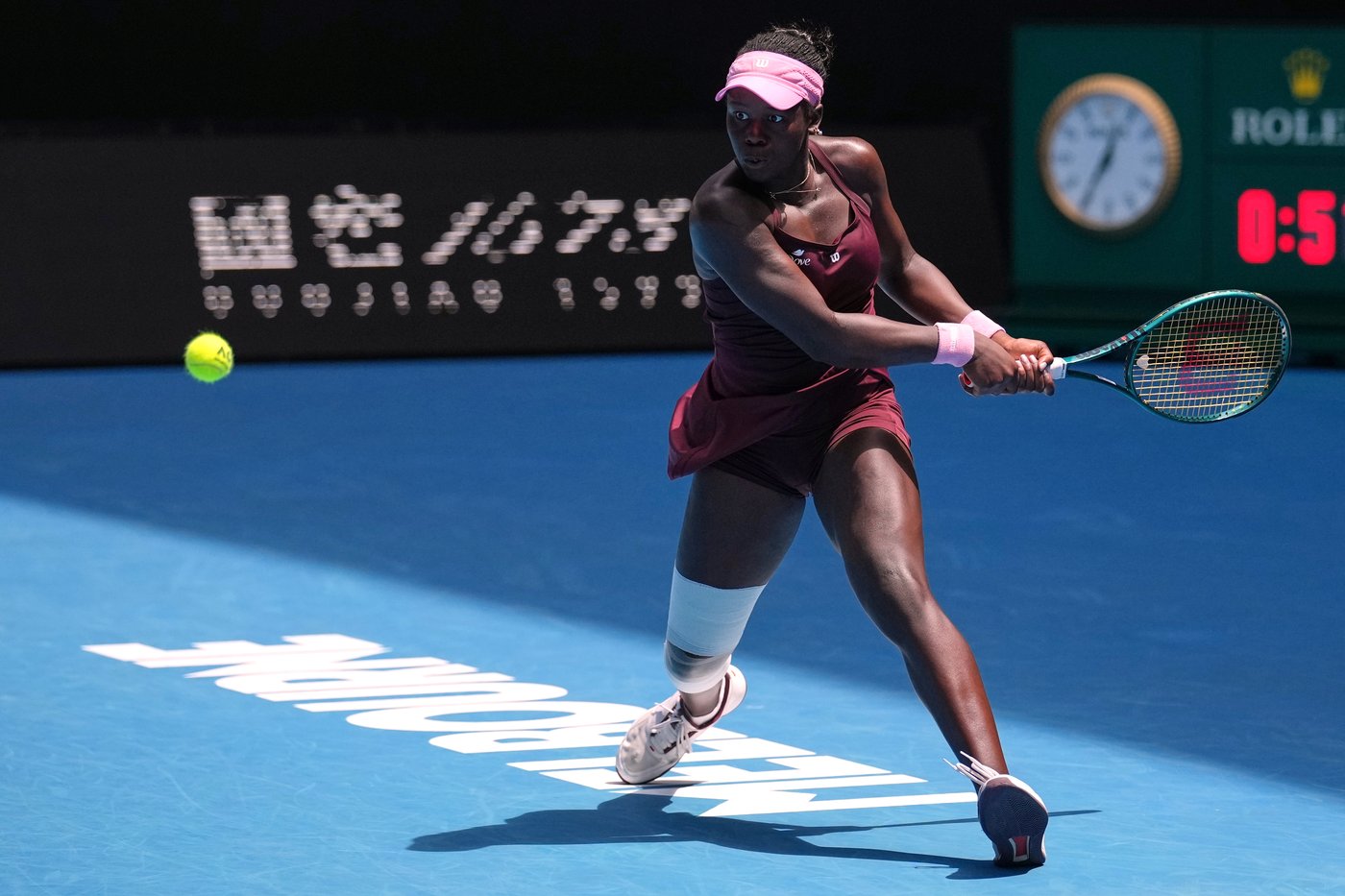
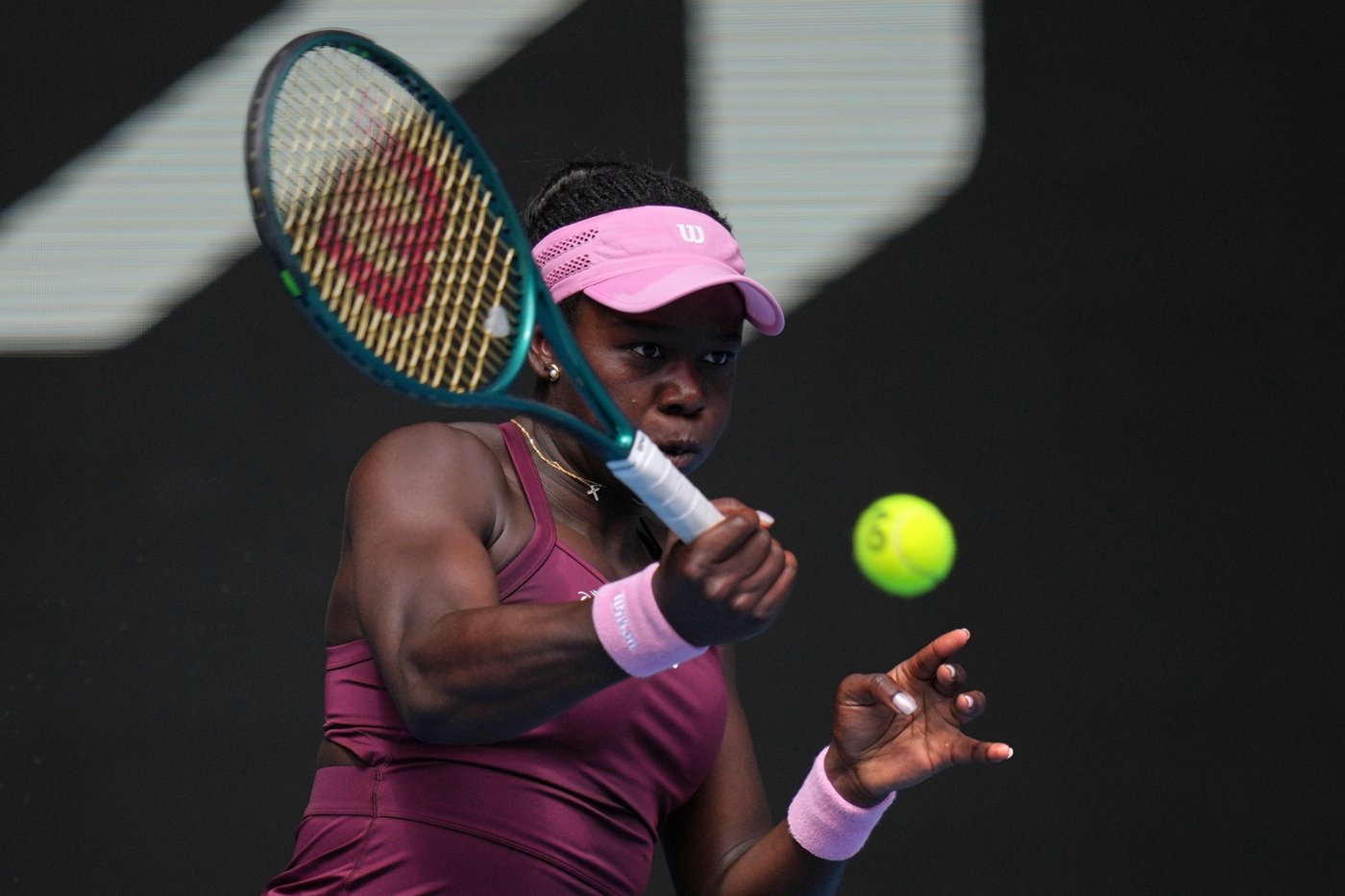
Vicky Mboko called Sunday’s match at the Australian Open against first-seeded Aryna Sabalenka “a learning curve.”
If so, the 19-year-old Canadian is catching on very quickly.
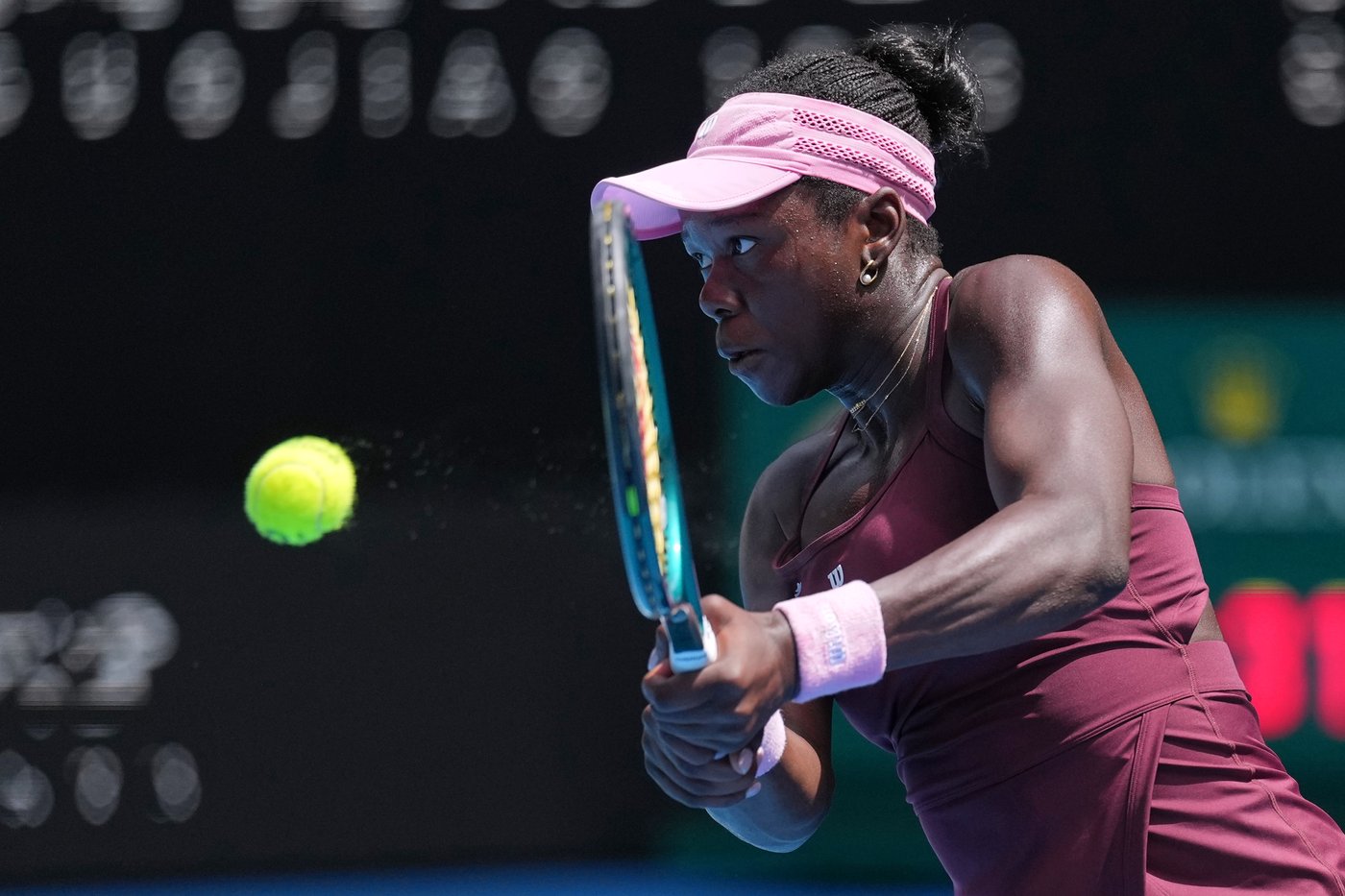
Sabalenka won in two sets — 6-1, 7-6 (1) to reach the quarterfinals — but Mboko put enormous pressure on the world’s top-ranked player in the second set and was a few shots away from forcing a third at Rod Laver Arena.
After trailing 4-1 in the second set, Mboko rallied to force the tiebreaker and seemed to have the momentum until Sabalenka did, well, Sabalenka-like things and won her 20th straight tiebreak.
“I think at the end of the day it really came down to experience,” Mboko said. “She played really great tennis. I, of course, had my chances.”
“It was a pretty nice experience being it was my first time on the center court playing against the world No. 1,” she added.
Mboko, No. 16 in the WTA Tour rankings, is becoming famous as a slow starter, which she was in the first set against the top-ranked Sabalenka. But it was different in the second once she seized an opening.
“Trying to find my rhythm as the match went on was important for me,” she said. “I was pretty close in the second set.”
Mboko has been showing off her tennis all across Australia.
She was the runner-up a week ago in the Adelaide International, losing to Mirra Andreeva in the final 6-3, 6-1. However, she defeated defending Australian Open champion Madison Keys 6-4, 4-6, 6-2 to reach the semifinals.
Mboko noted that against lesser players she’s able to escape even when she hits shots that are short — not deep enough into the court.
“But with her (Sabalenka) it was from the start, the moment my shot quality wasn’t good enough, she was dictating right away,” Mboko said. “So that’s something I could work on and learn from the next time.”
And there will surely be a next time in every Grand Slam from here into the foreseeable future. Sabalenka, who is shooting for her third Australian Open title in four years, also made that point.
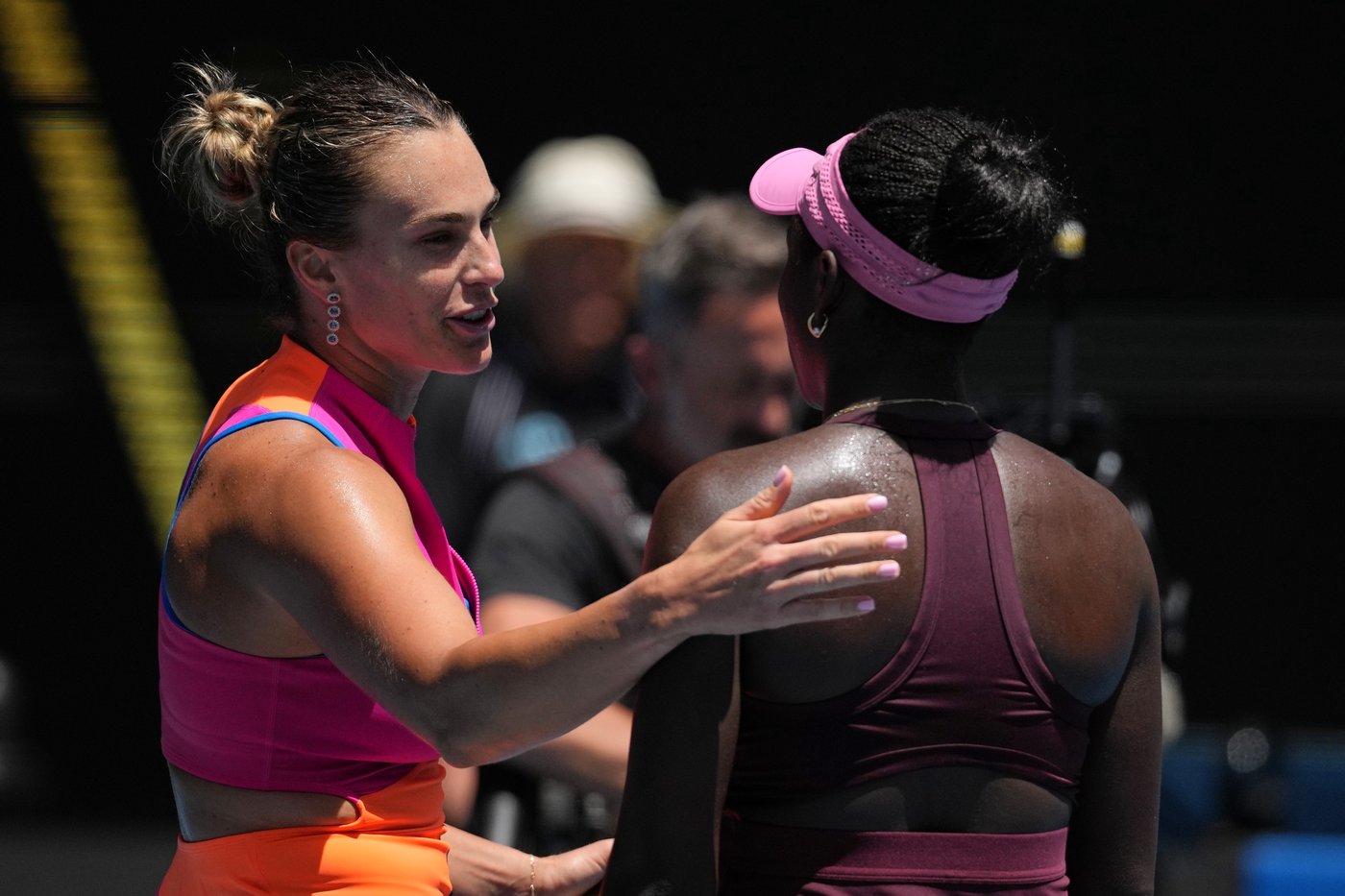
“She’s an amazing player,” Sabalenka said of Mboko. “It was quite a fight. I’m super happy that I was able to close this match in straight sets. The second set was a bit tricky.”
Sabalenka faces another rising star in American 18-year-old Iva Jovic in the quarterfinals.
___
More AP tennis: https://apnews.com/hub/tennis
News from © The Associated Press, . All rights reserved.
This material may not be published, broadcast, rewritten or redistributed.

This site is protected by reCAPTCHA and the Google Privacy Policy and Terms of Service apply.
Want to share your thoughts, add context, or connect with others in your community?
You must be logged in to post a comment.