Elevate your local knowledge
Sign up for the iNFOnews newsletter today!
Sign up for the iNFOnews newsletter today!
Selecting your primary region ensures you get the stories that matter to you first.
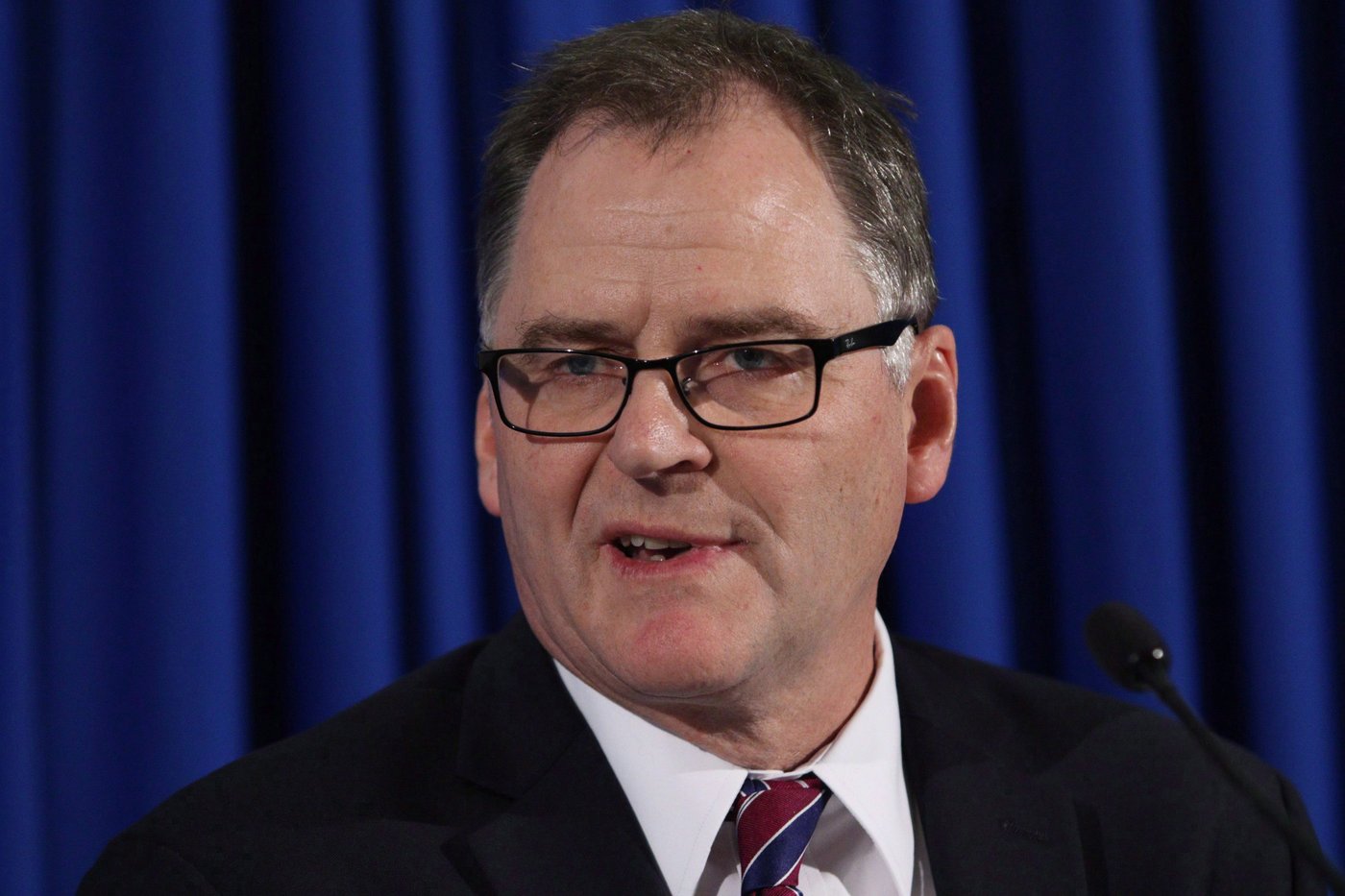
A report by British Columbia’s Ombudsperson warns that legal safeguards designed to protect patients receiving involuntary mental health care aren’t being applied consistently across the province, with some health authorities still failing to provide the required documents for more than half of their patient files.
The report says an audit of Health Ministry and health authority files from 2024 found a “significant” number of missing documents, sometimes including the reasons for a patient’s admission and material about treatment decisions and consent.
It says there has been “steady progress” on protecting the legal rights of patients since an investigation by the ombudsperson in 2019, but medical staff continue to admit patients against their will “without completing the required paperwork.”
Ombudsperson Jay Chalke said in an interview that the report found completion of mandatory forms in involuntary admissions had risen to 58 per cent across B.C., more than double the 28 per cent found in 2019.
But he said the number should be 100 per cent, “since this is the legal authority to detain and treat people.”
“I think the reason why it’s important is that we wouldn’t expect any of us to be detained in a locked facility unless the people who were affected in that detention had gone through the proper legal steps, and so that’s why we called for this,” said Chalke, who has called involuntary admission an “extraordinary power.”
The report highlights problems with completion rates for a document known as Form 5, which requires assessment of a patient’s ability to consent and outlines a proposed course of treatment.
It finds “significant variation across health authorities,” with several missing required forms for more than half of audited patient files.
The audit found the Provincial Health Services Authority had the highest completion rate at 92 per cent, while Northern Health reported the lowest at 34 per cent.
Chalke said a recommendation from the 2019 report was to establish a system of rights advisors, who could ensure patients received good legal advice, and knew their rights.
He said he was pleased to see the advisors now in place, but there is still room for improvement since their availability had to be requested, rather than being automatic.
B.C. Health Minister Josie Osborne said she had directed health authorities to ensure “that they are doing everything possible to make sure that (involuntary admission) forms are filled out completely and accurately and in a timely manner.”
Osborne, who was speaking at an unrelated news conference in Victoria, said the government had made “enormous progress” since the initial report in 2019 on the subject, but acknowledged “there’s always more work to do.”
This report by The Canadian Press was first published Jan. 26, 2026.
News from © The Canadian Press, . All rights reserved.
This material may not be published, broadcast, rewritten or redistributed.

This site is protected by reCAPTCHA and the Google Privacy Policy and Terms of Service apply.
Want to share your thoughts, add context, or connect with others in your community?
You must be logged in to post a comment.