Elevate your local knowledge
Sign up for the iNFOnews newsletter today!
Elevate your local knowledge
Sign up for the iNFOnews newsletter today!
Select Region
Selecting your primary region ensures you get the stories that matter to you first.
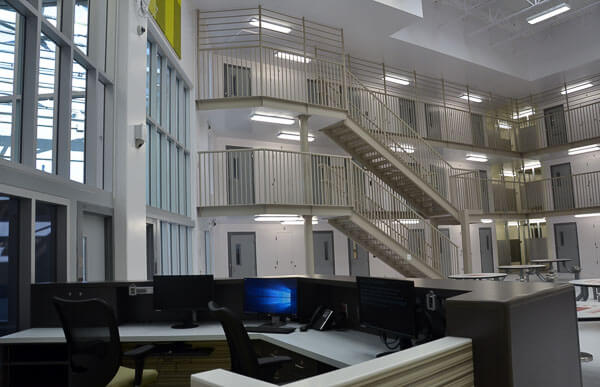
As tensions rose at a forum on crime in Kelowna last week, mayor Tom Dyas pointed a finger at a prison down the road.
“There is a correctional facility in Oliver that was built in 2016 for $200 million. It has a capacity for 378 beds. Currently, there is less than 100 of them being used,” Dyas told them. “Meanwhile, people in our community are living in crisis, committing repeat offences, and being put in harmful positions by criminals.”
There was only one problem — his numbers were way off.
The Ministry of Public Safety and Solicitor General told iNFOnews.ca that there are currently 212 people in custody in the facility and the average for 2025 was 199.
We offered Dyas an opportunity to explain. His office responded that his figure was the most recent information given to the city that said the facility was running at 25 per cent capacity.
“Regardless of the precise count, the broader point the Mayor was making is that there is available capacity at that site for Mandatory Compassionate Care, while municipalities continue to experience the impacts of untreated mental health and addictions,” the mayor’s spokesperson Kevin Franceschini said in an email.
Dr. Melissa Munn is a criminologist and an Okanagan College professor. She says you can’t just count beds.
“I work in prisons that are double and triple bunk. Certainly there is huge movement at the moment to try and get people out of detention centers because they’re so overfull. So I’m not sure that I subscribe to this idea that there is plenty of space if we wanted to lock people up to begin with,” she told iNFOnews.ca.
Munn said locking people up without effective programming to treat addiction and help people find housing just pushes the problem down the road.
“That solution is simplistic at best,” she said.
Dyas said that leaving people on the street isn’t compassionate so there needs to be more involuntary, or “mandatory compassionate care”.
“It is not humane, and it is not fair to the public, to the businesses, or to those who need help. Compassion means getting people into care and keeping them there long enough to stabilize, recover, and to turn their lives around,” the mayor said.
News from © iNFOnews.ca, . All rights reserved.
This material may not be published, broadcast, rewritten or redistributed.

This site is protected by reCAPTCHA and the Google Privacy Policy and Terms of Service apply.
Want to share your thoughts, add context, or connect with others in your community?
You must be logged in to post a comment.