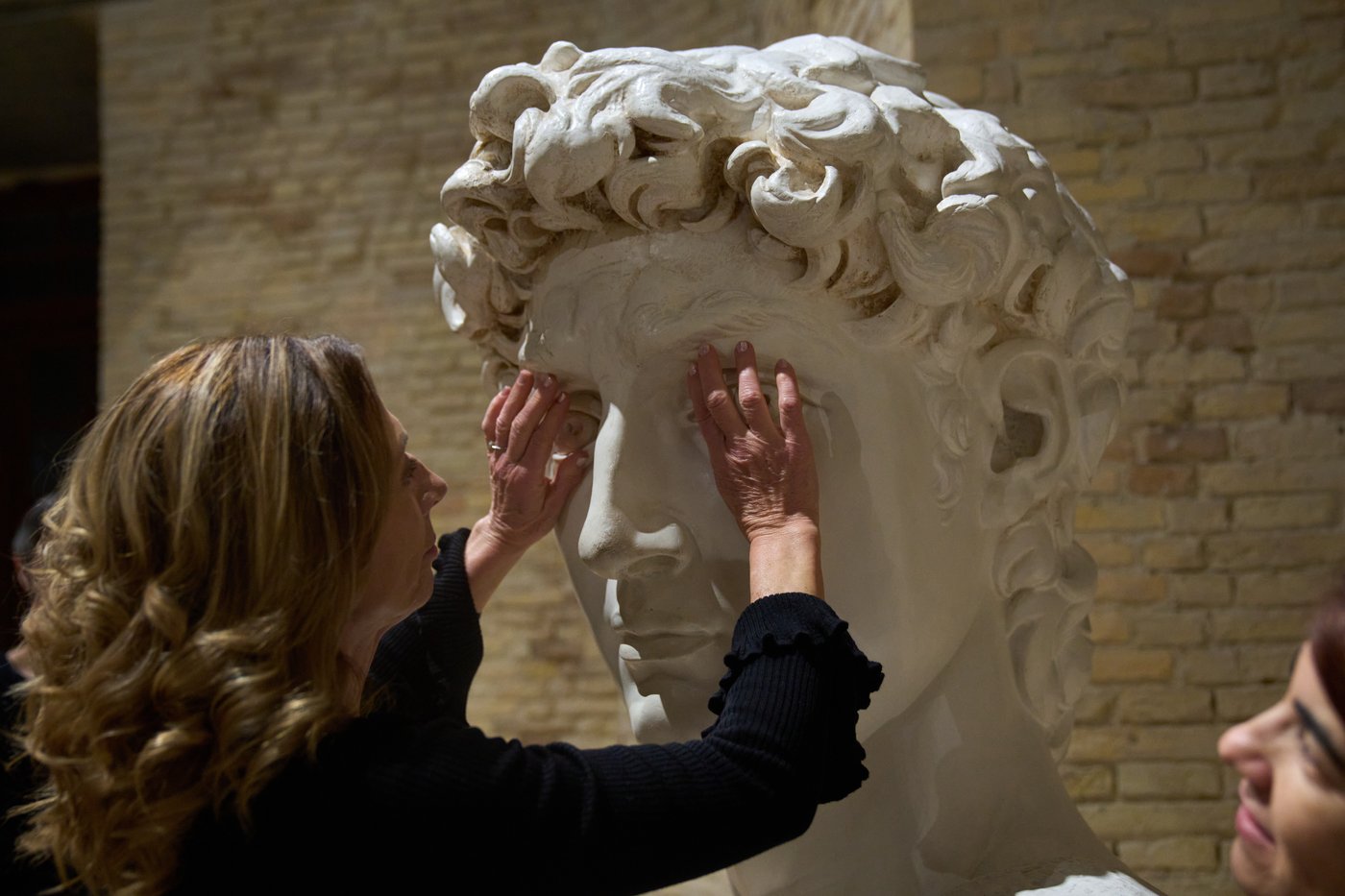
Stefania Terre, who is blind, uses a small light on her fingers while touching a life-size reproduction of the head of Michelangelo's David as she poses for a long-exposure photograph at the Omero Tactile Museum in Ancona, Italy, Thursday, Jan. 15, 2026. (AP Photo/Alessandra Tarantino)
ROME (AP) — Italy’s art-filled cities have no shortage of tourists, but they haven’t always been welcoming to visitors with visual impairments or other disabilities.
Art that is millennia old doesn’t always lend itself to being touched. People who use wheelchairs often find elevators and doorways that are too narrow, stairs without ramps and uneven pavements.
In 2021, as a condition of receiving European Union pandemic recovery funds, Italy accelerated its accessibility initiatives, dedicating more attention and resources to removing architectural barriers and making its tourist sites and sporting venues more accessible.
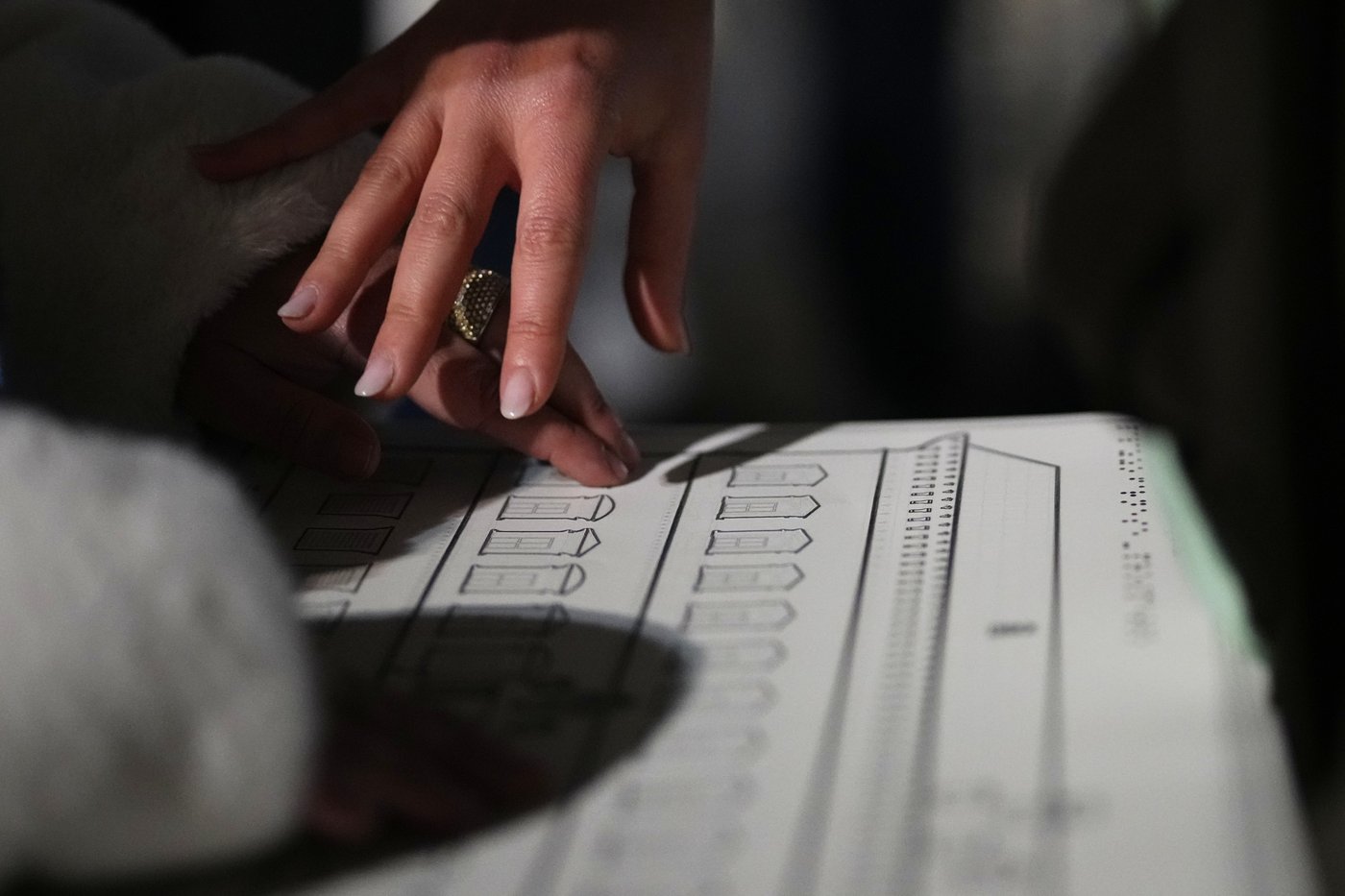
The huge archaeological site at Pompeii, for example, has installed a whole new system of signage to make it more accessible to blind and disabled people. The project uses braille signs, QR-coded audio guides, tactile models and bas-relief replicas of artifacts that have been excavated over the years.
The city of Florence, meanwhile, has produced a guide on the accessibility options at the Uffizi Gallery and its other museums, with detailed information on routes and requirements — including the presence of companions — for sites such as the Boboli Gardens, which because of their historic structures are not fully accessible.
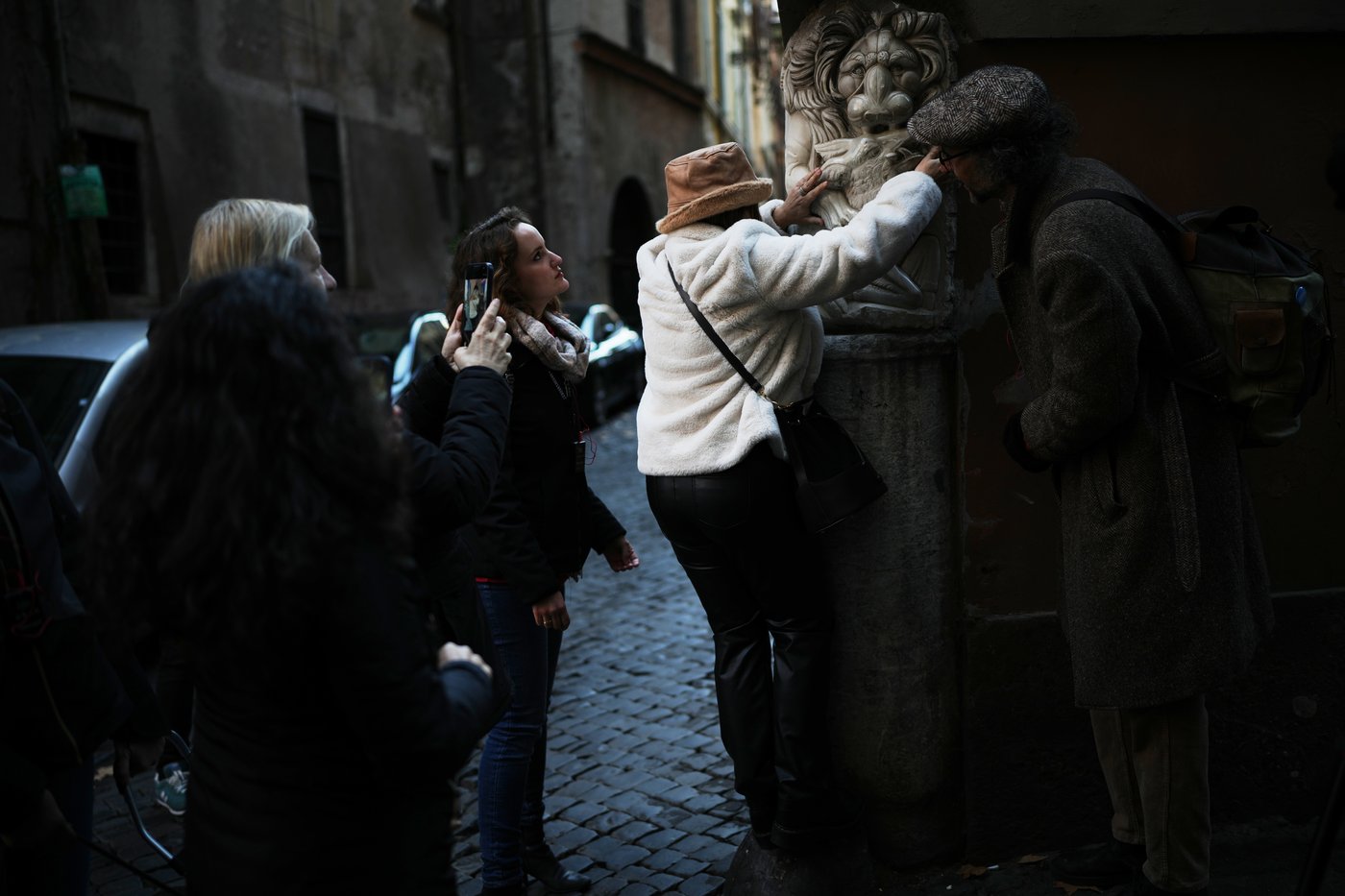
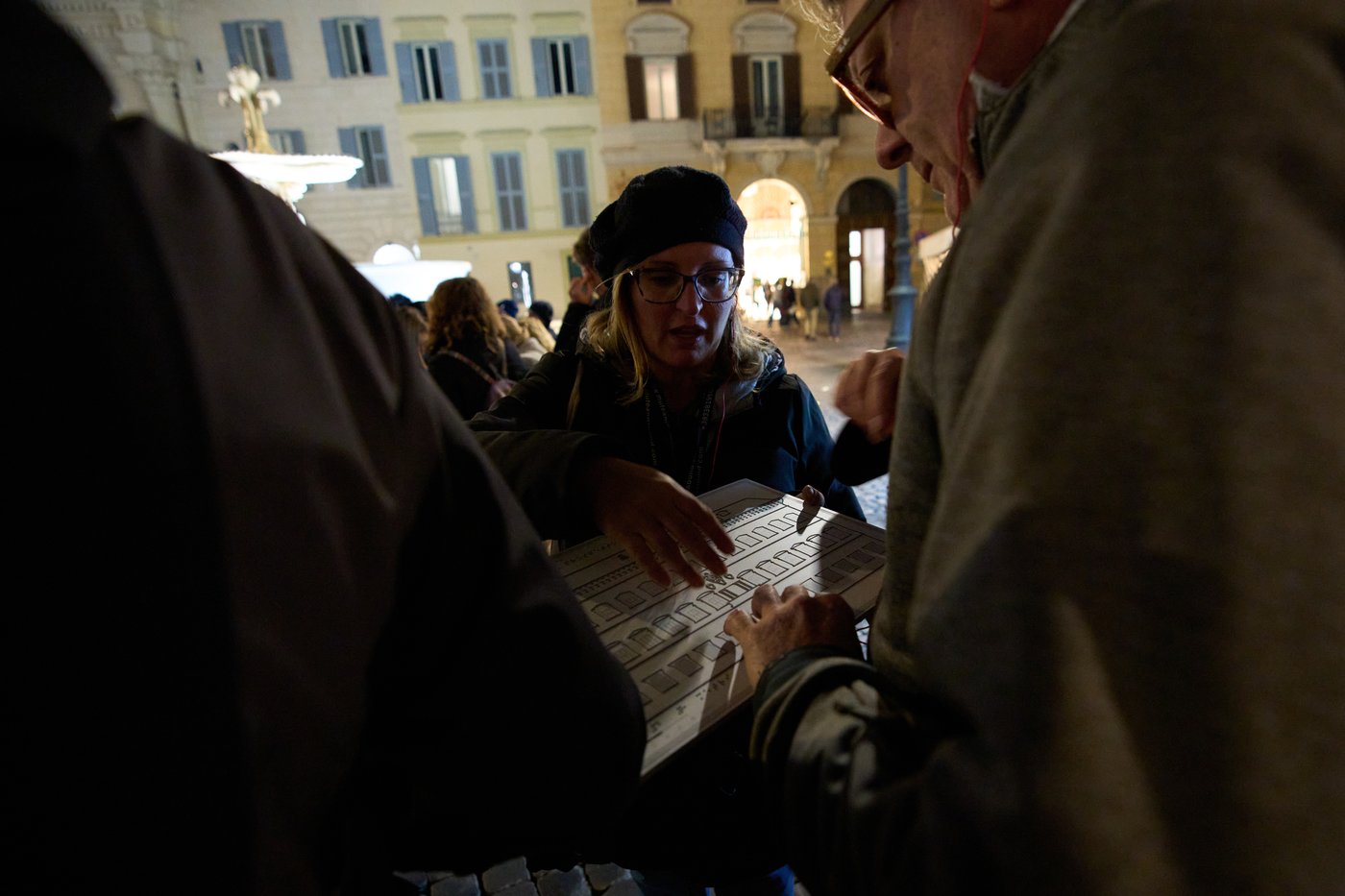
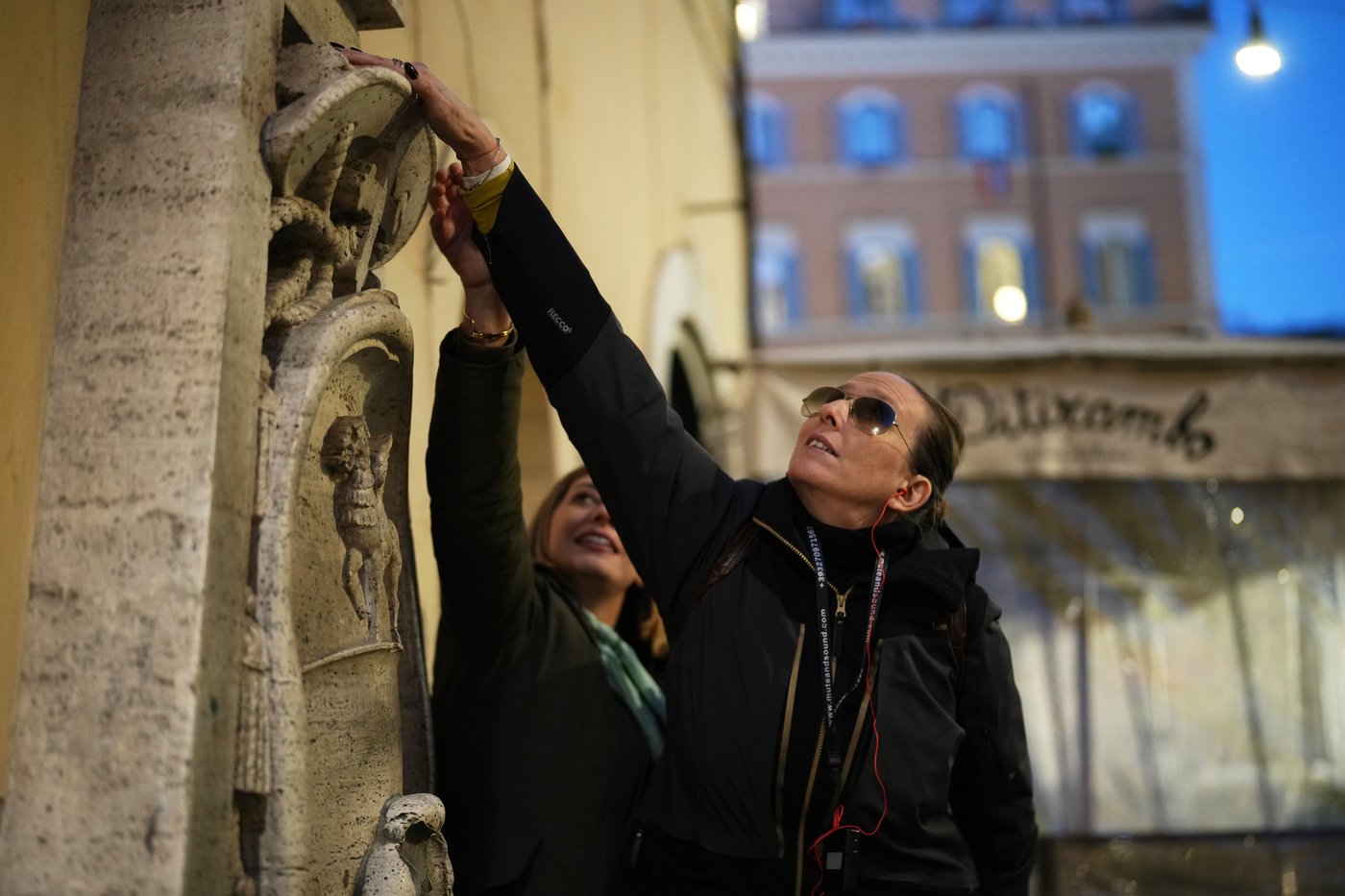
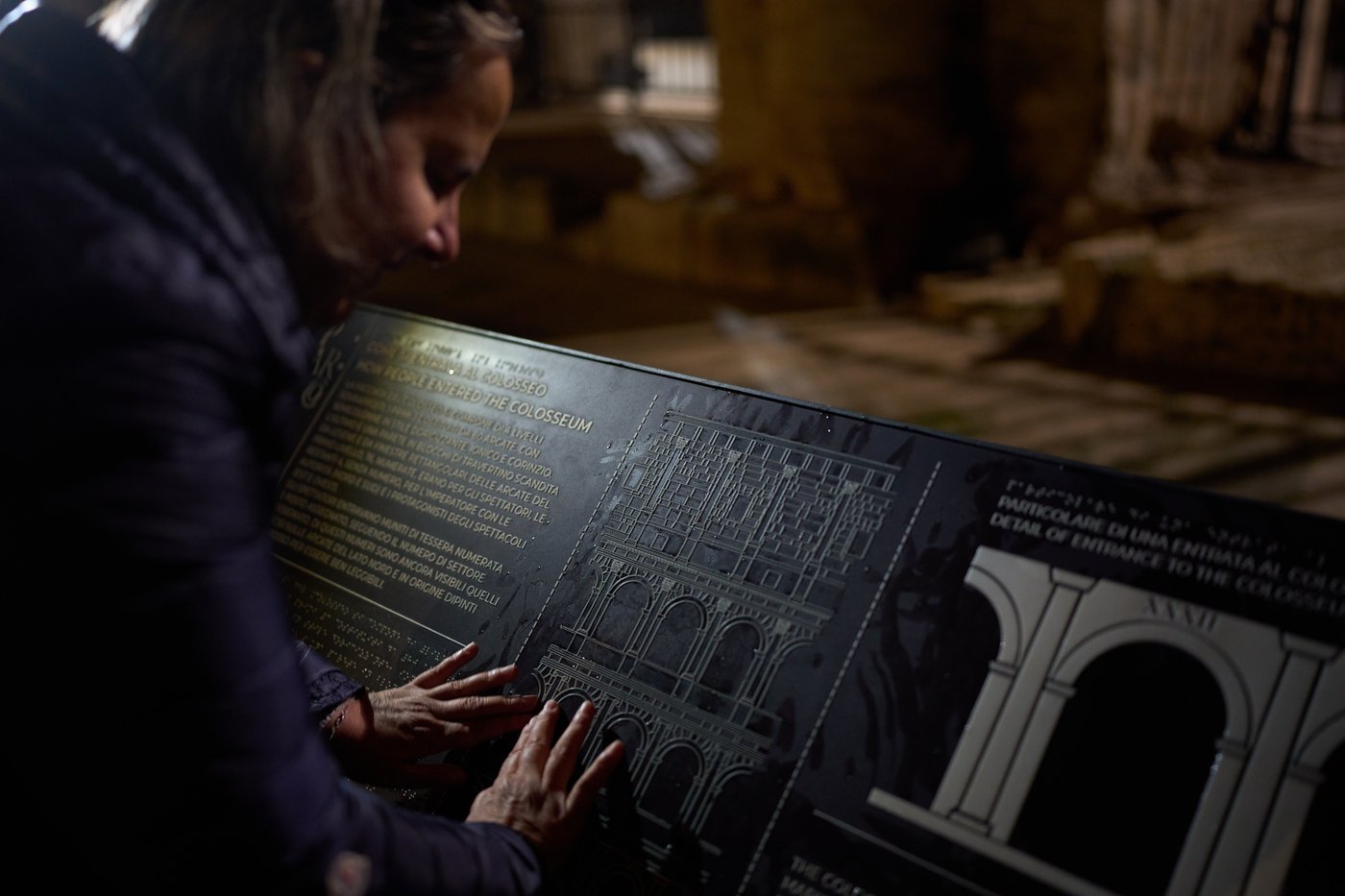
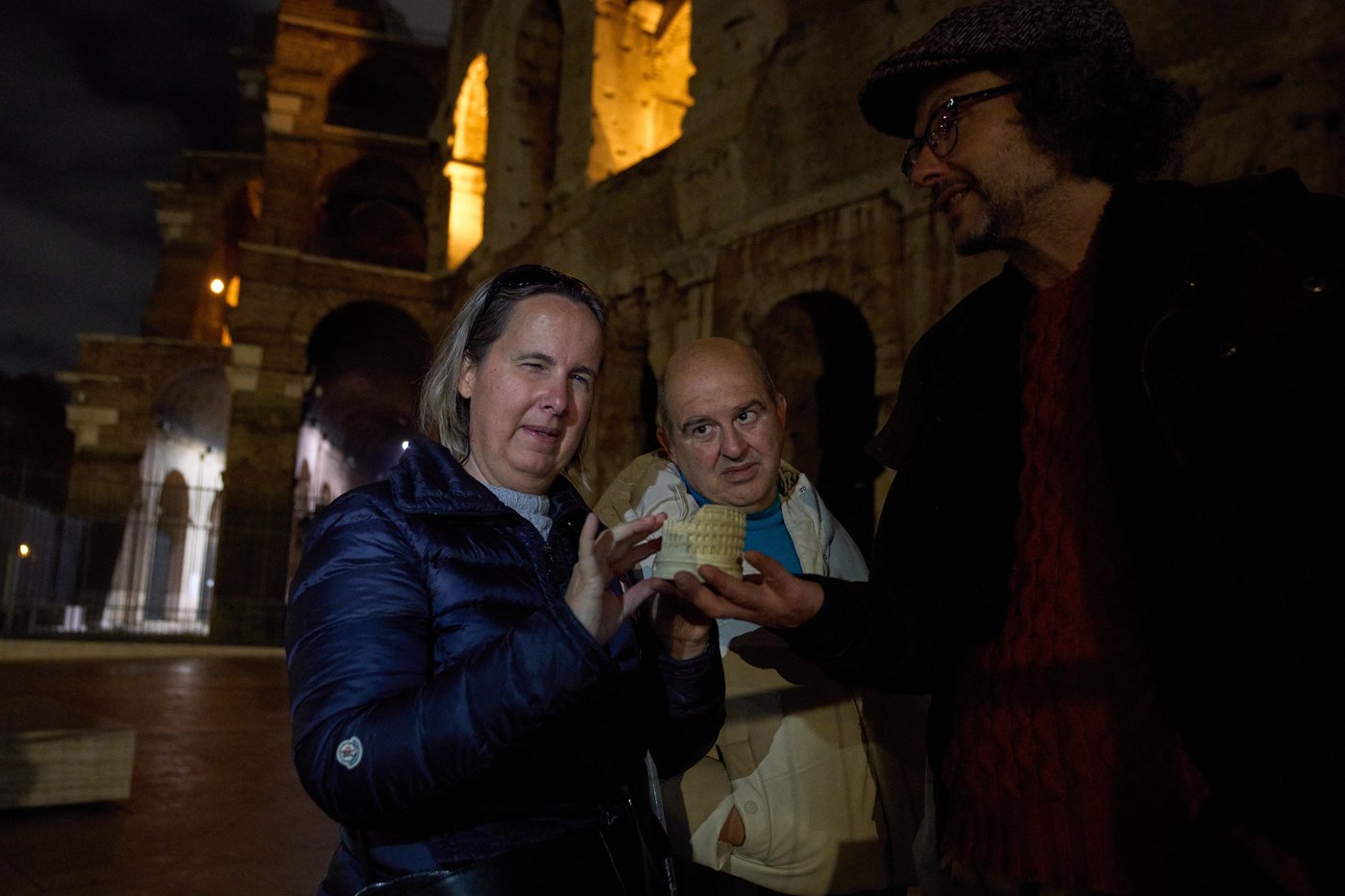
In Rome and elsewhere, projects are offering tactile visits to ancient monuments, allowing blind people to touch exhibits that would normally only be looked at.
An inclusive tourism model doesn’t just recognize the human rights of people with disabilities, it also makes economic sense. Nearly half of the world’s population aged over 60 has a disability, and disabled travelers tend to bring two or more companions, according to the World Tourism Organization.
This is a documentary photo story curated by AP photo editors.
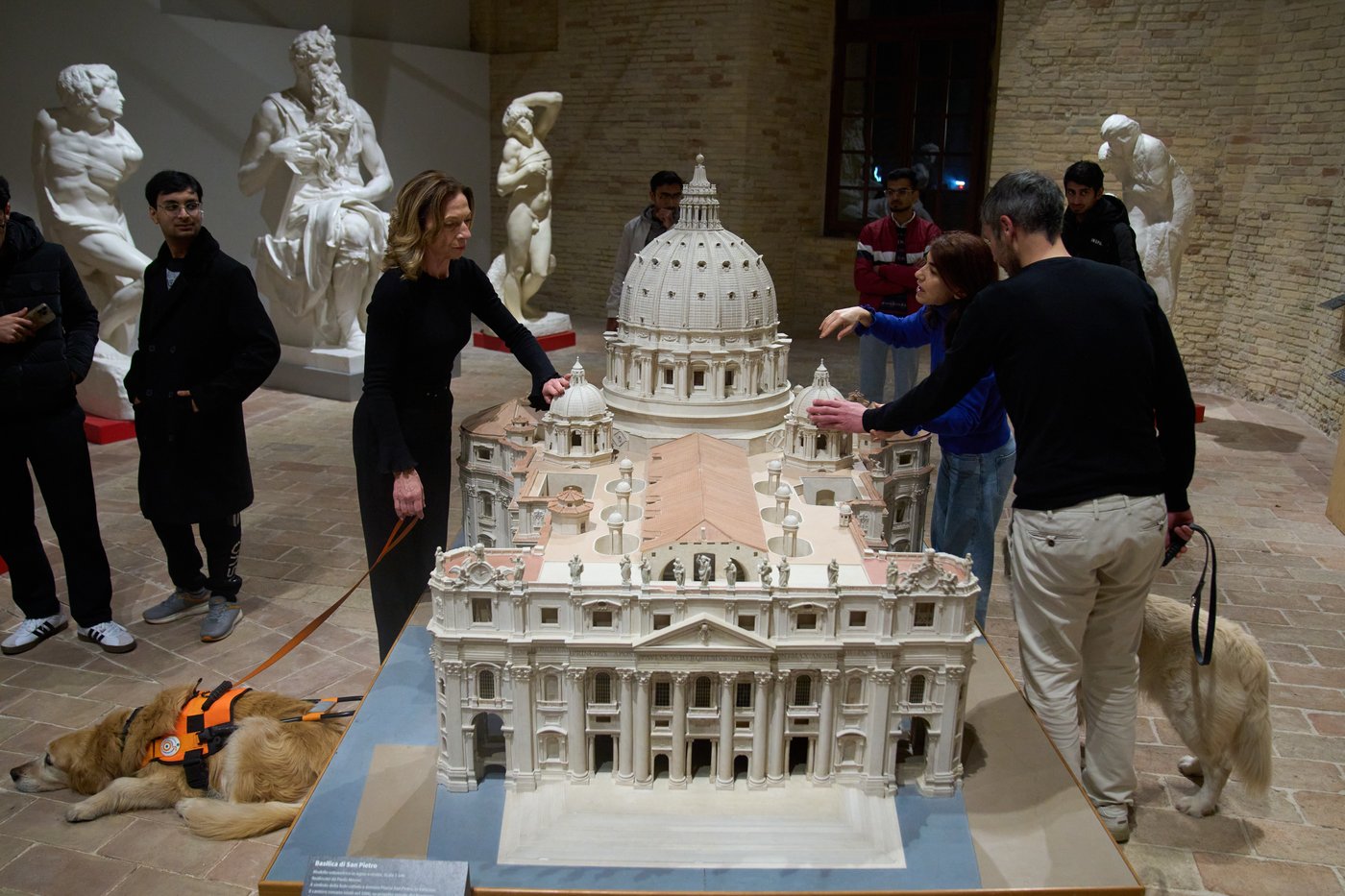
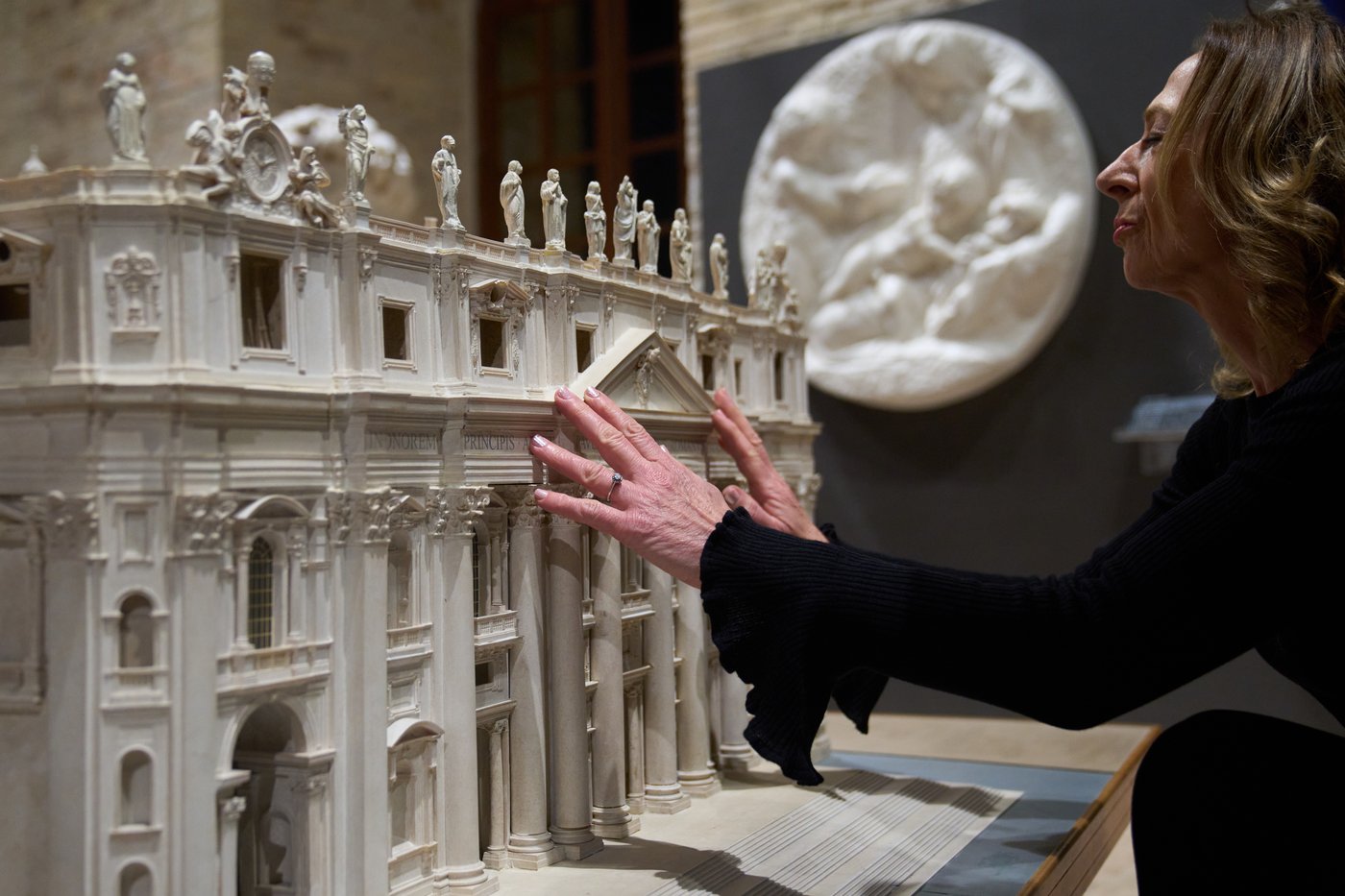
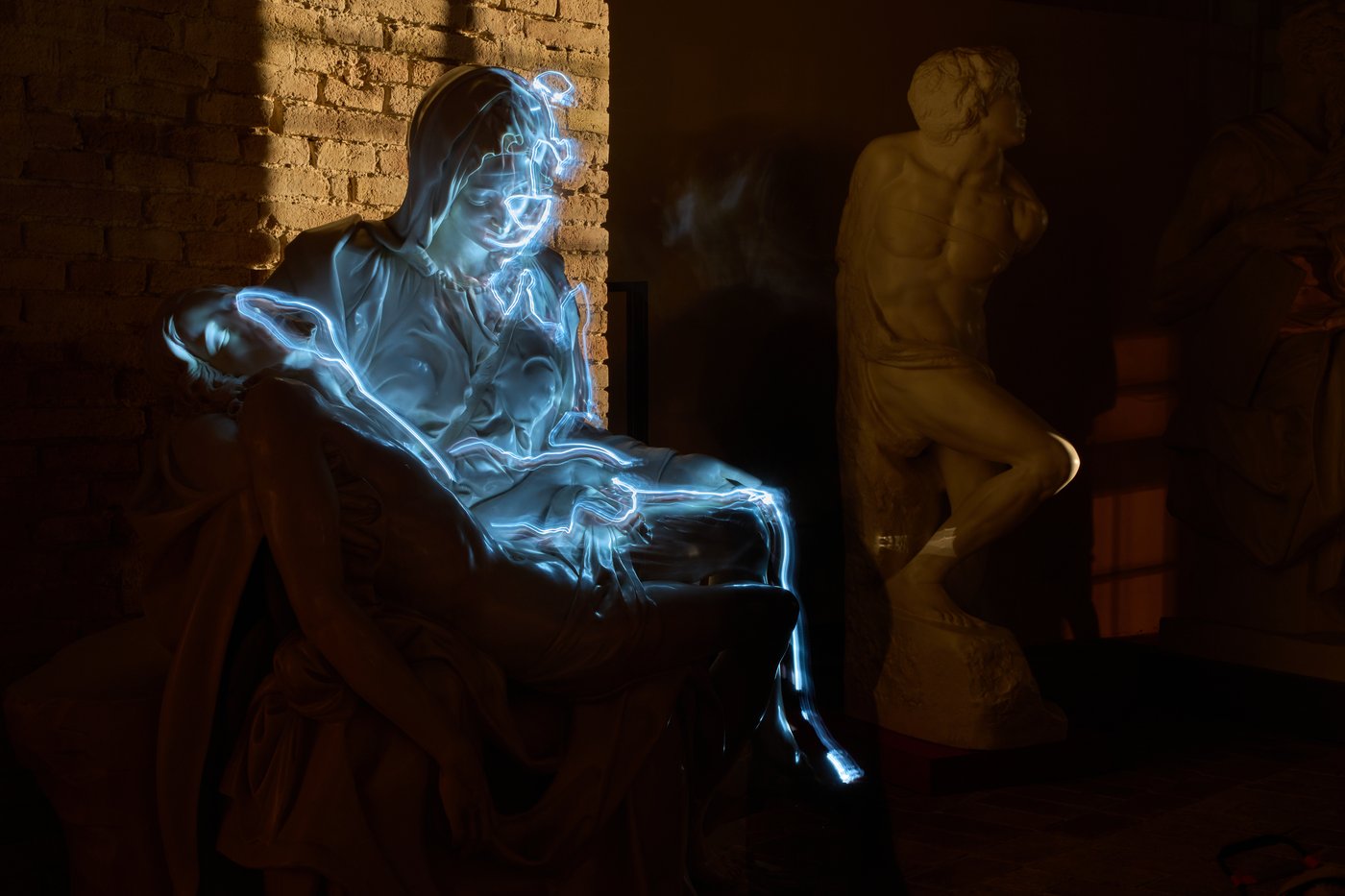
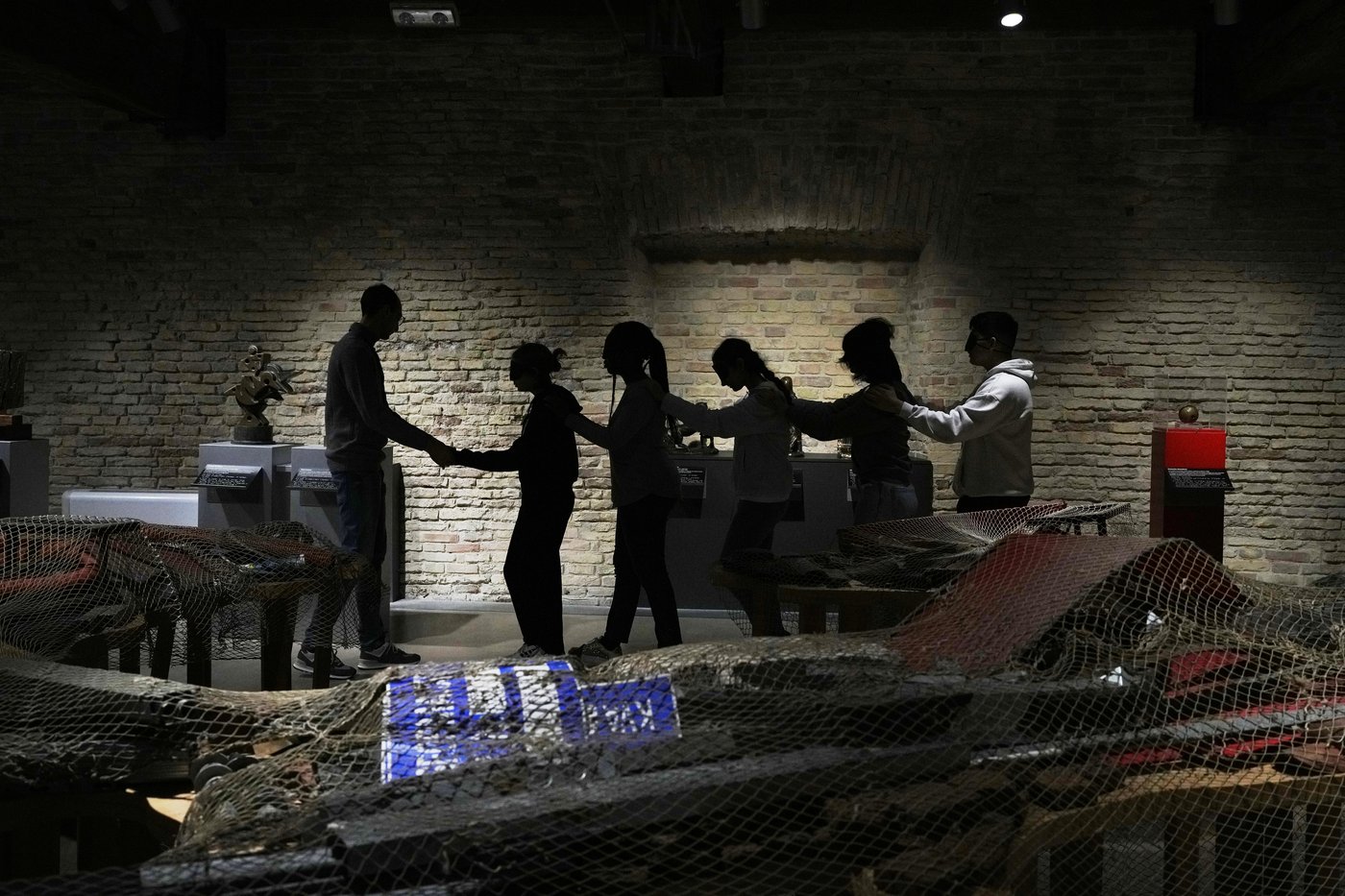
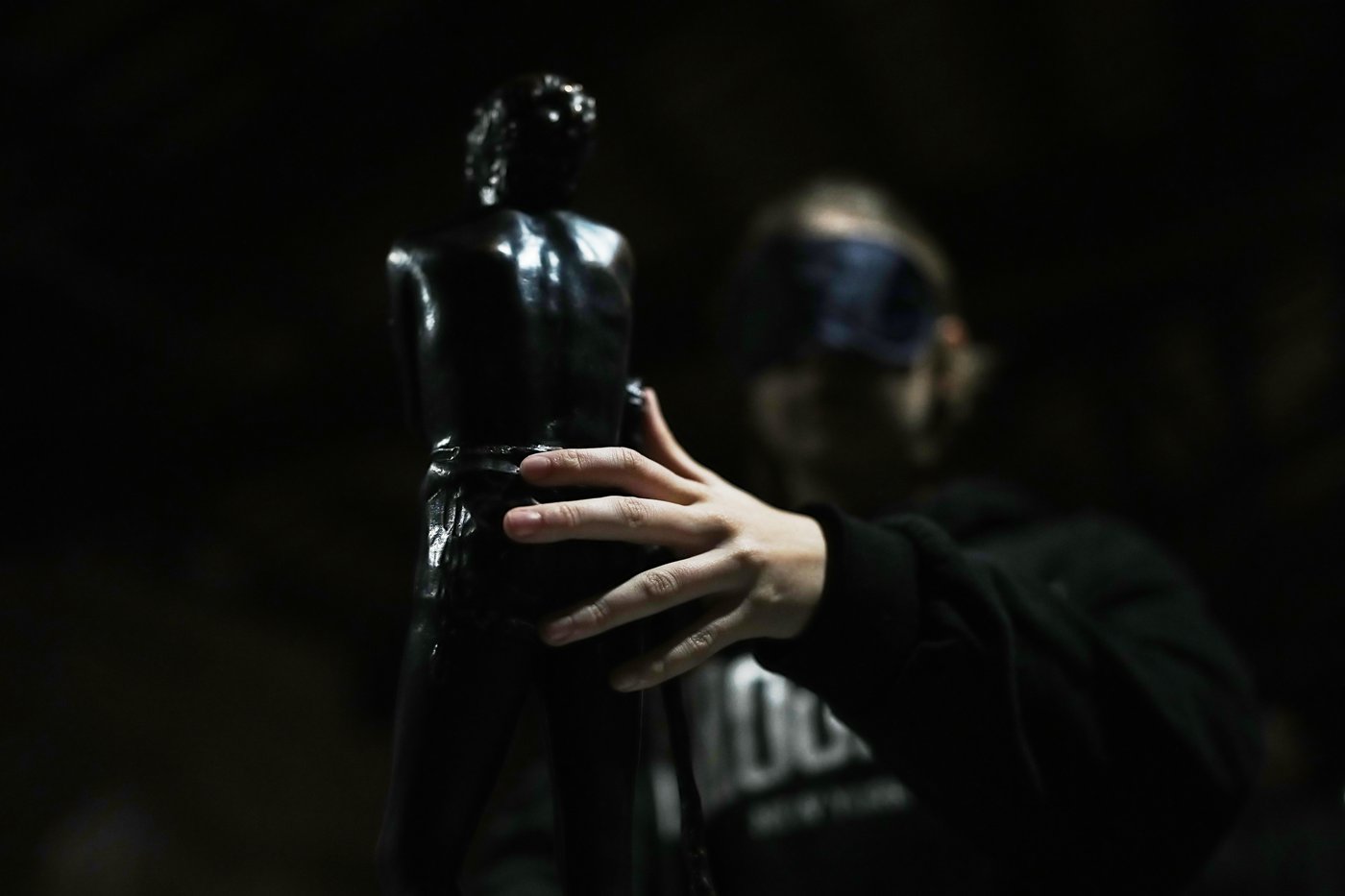
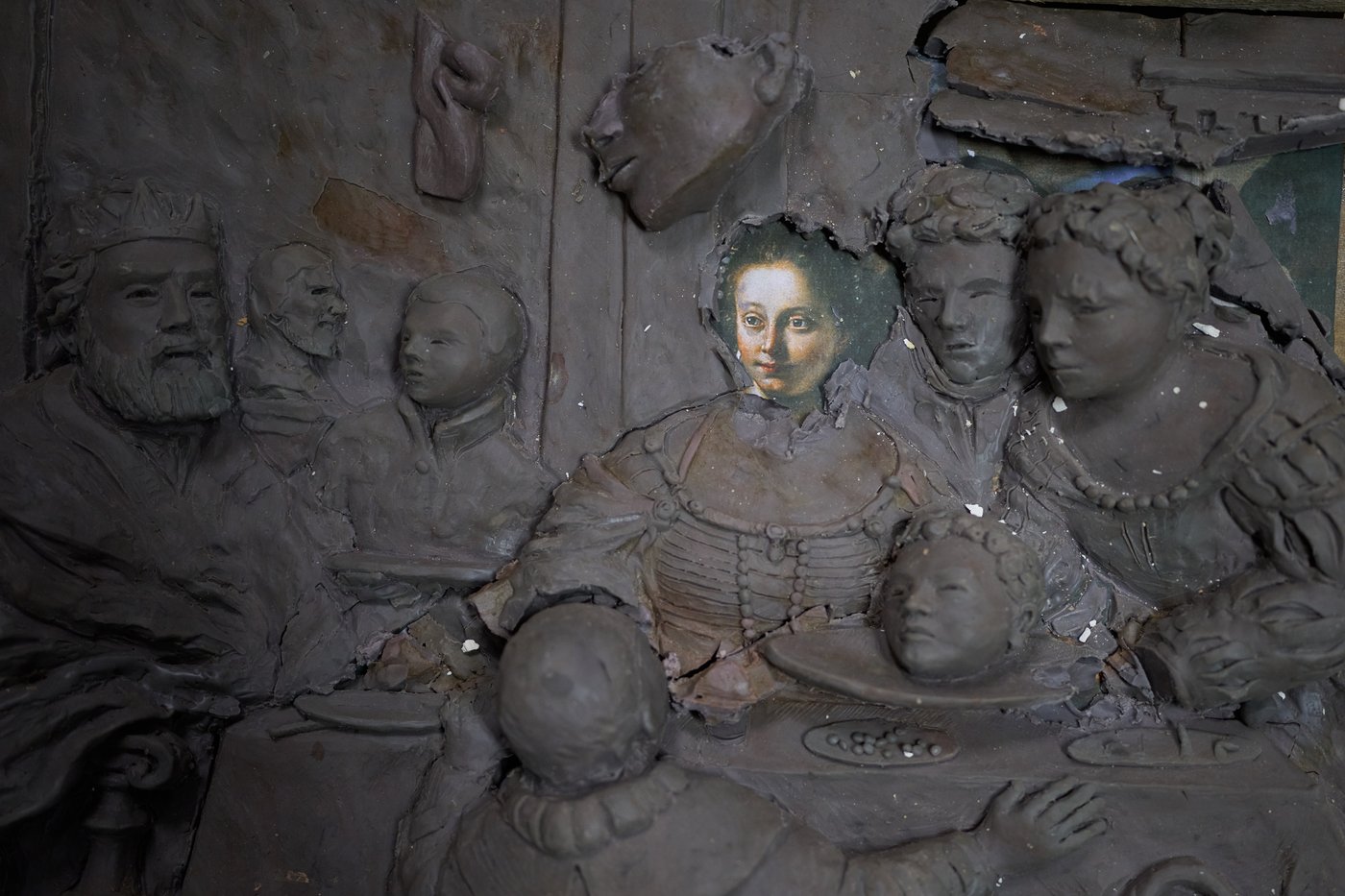
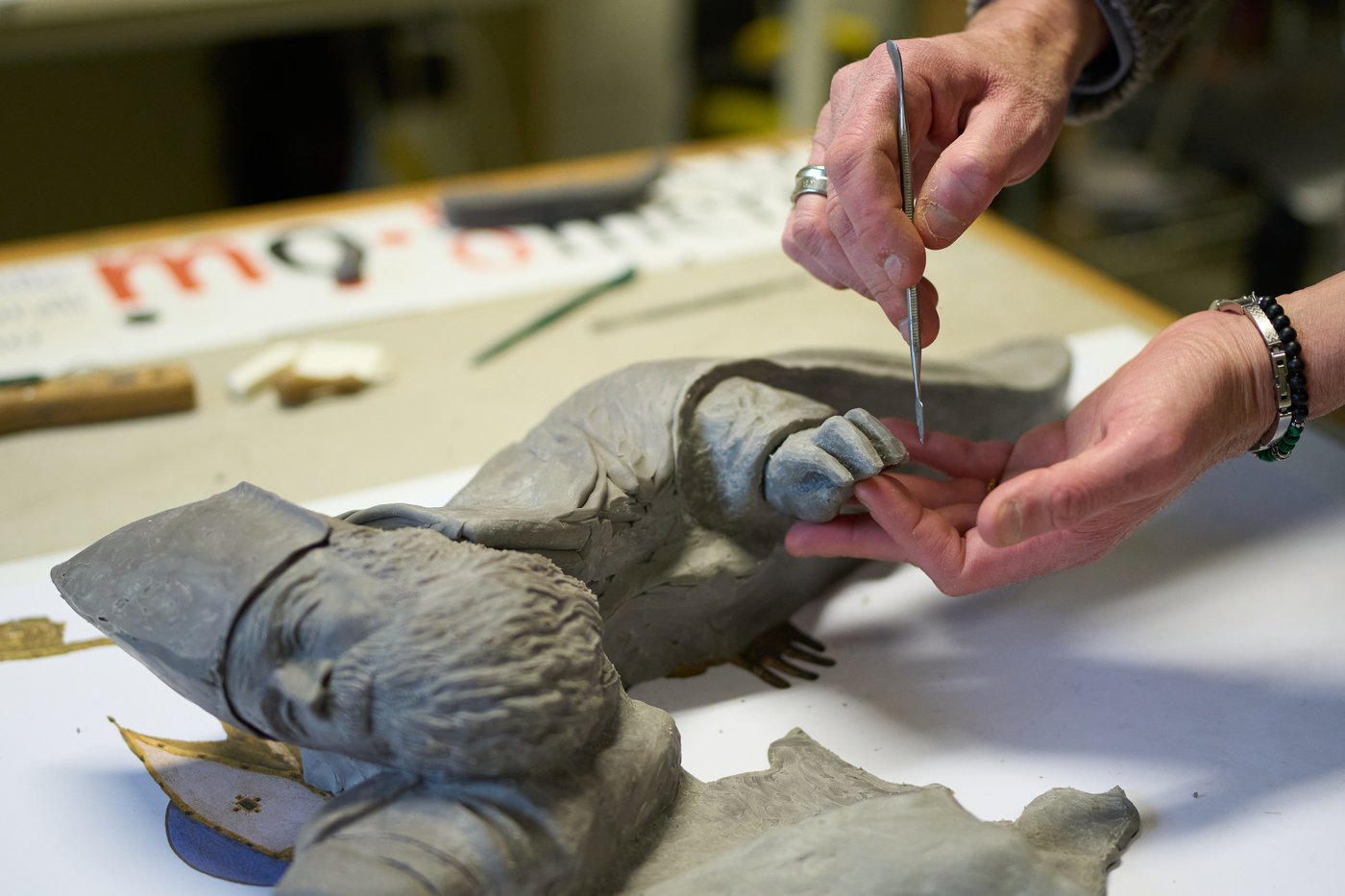
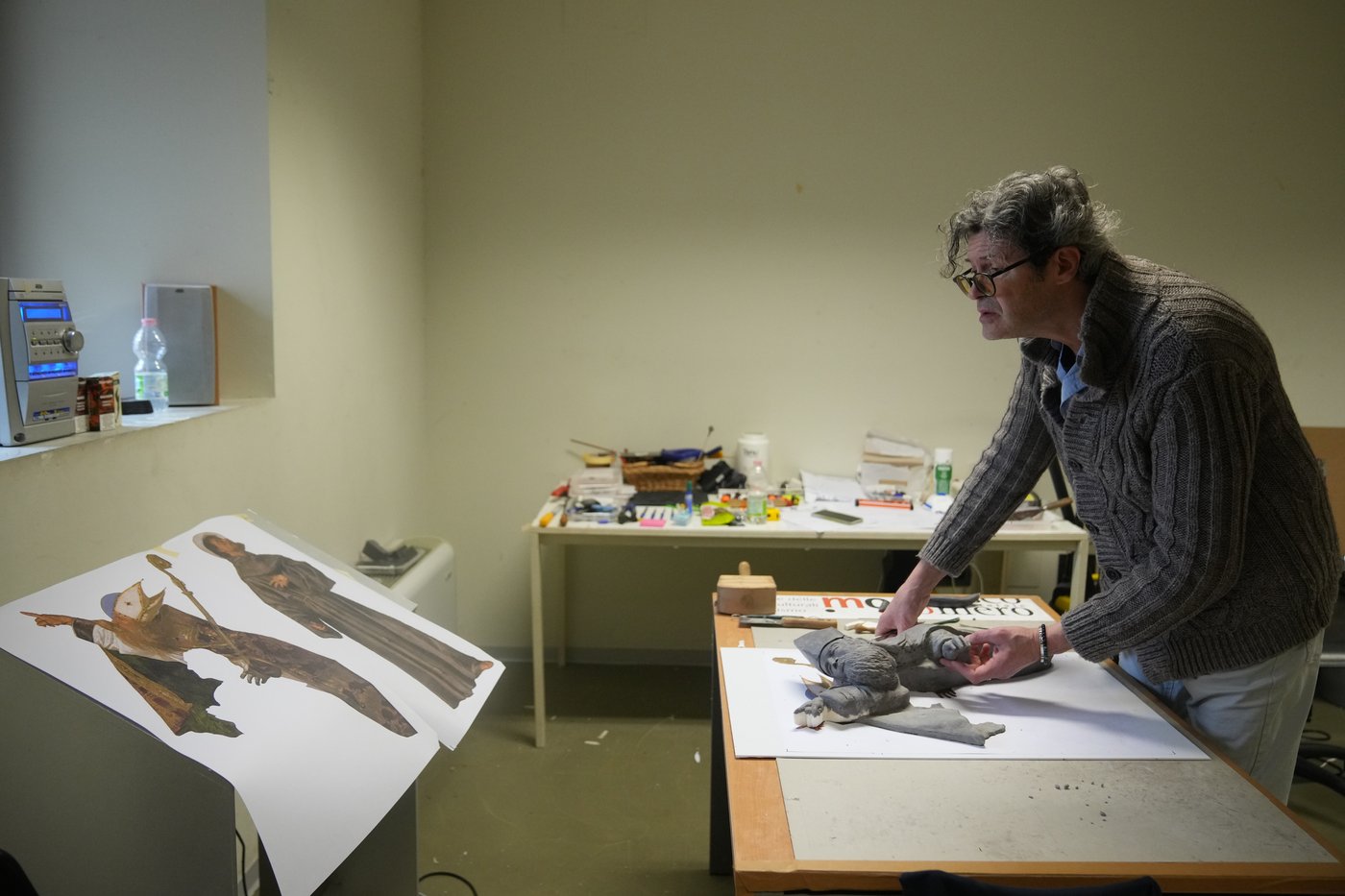
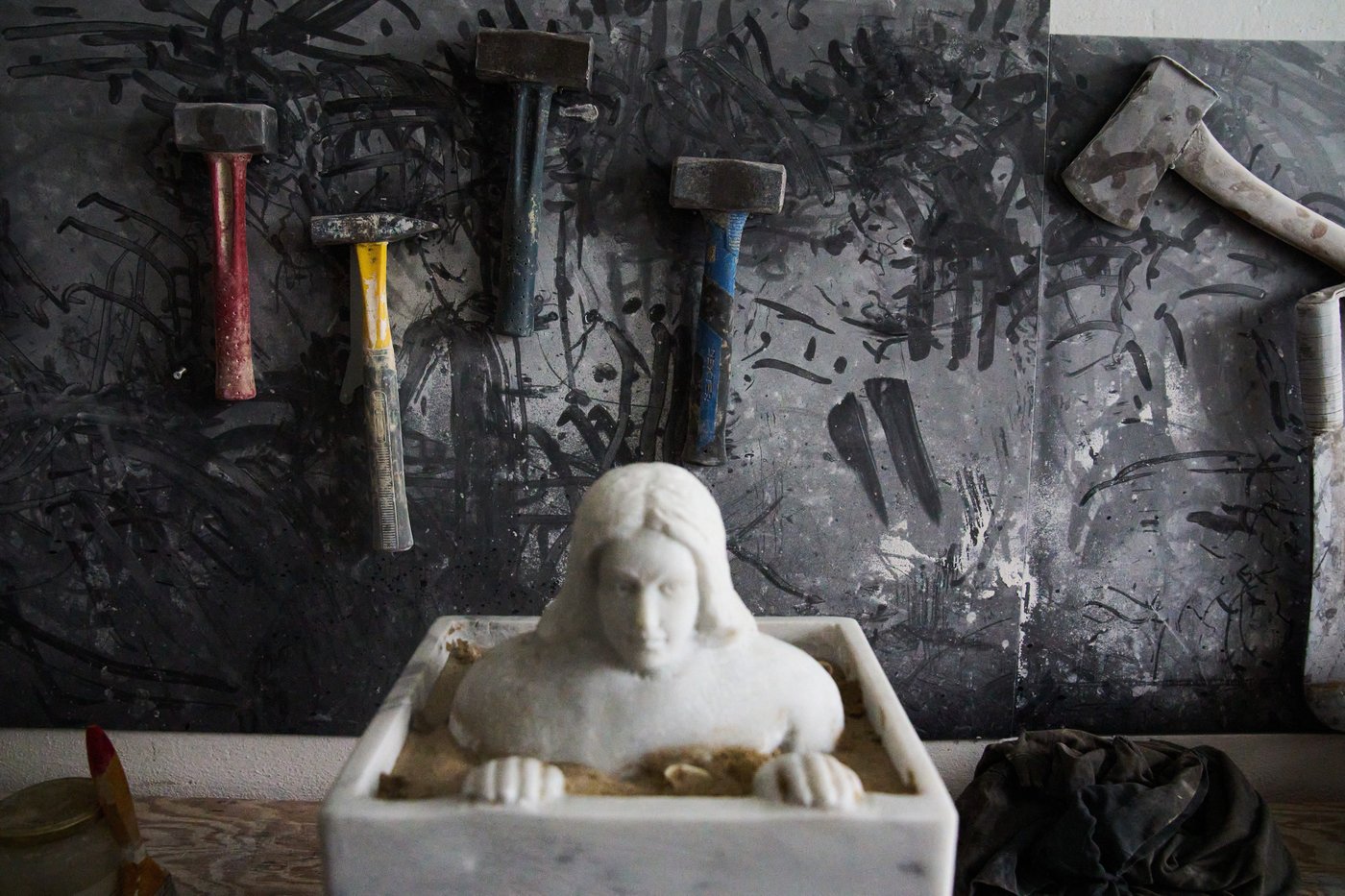
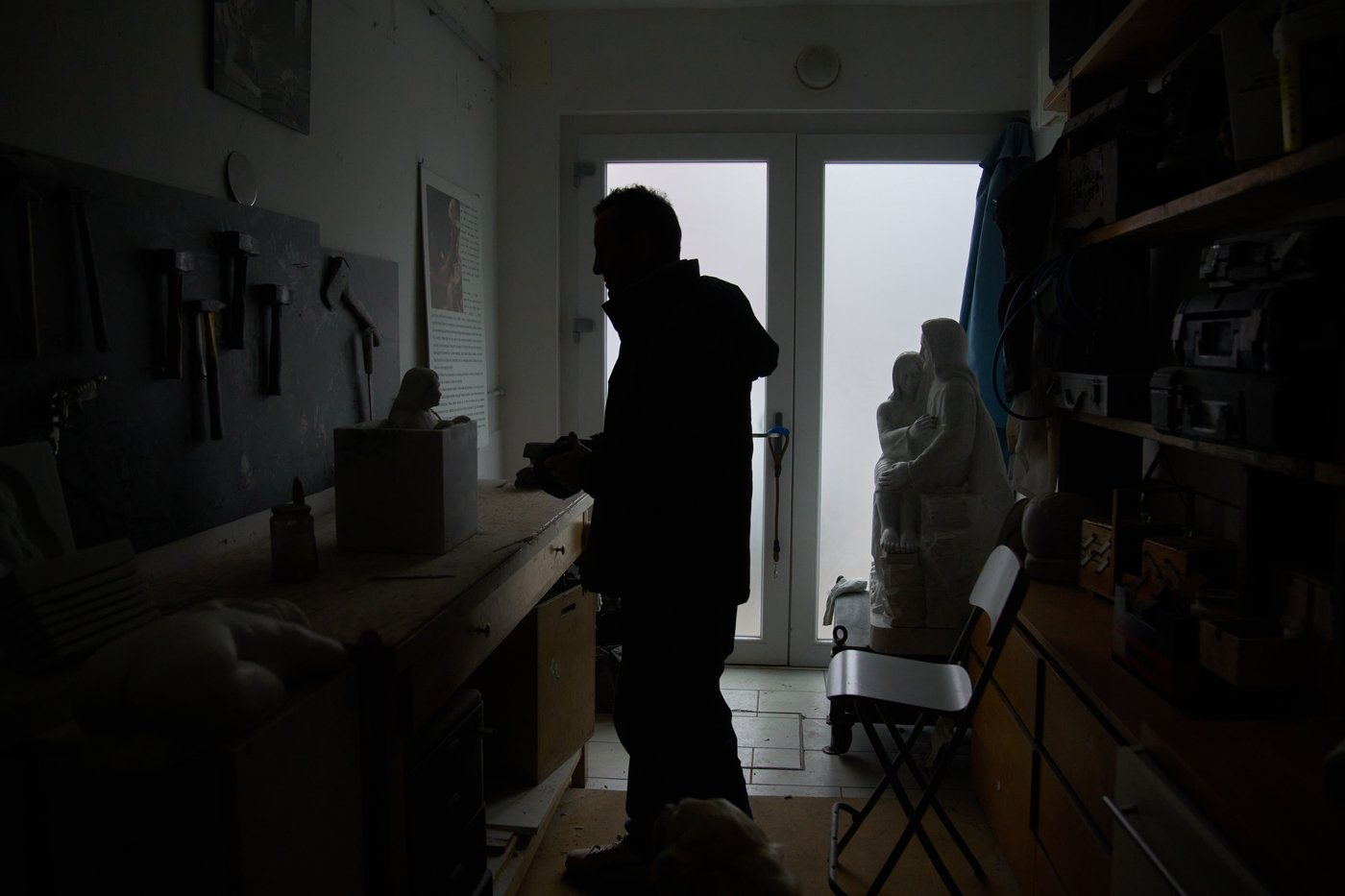
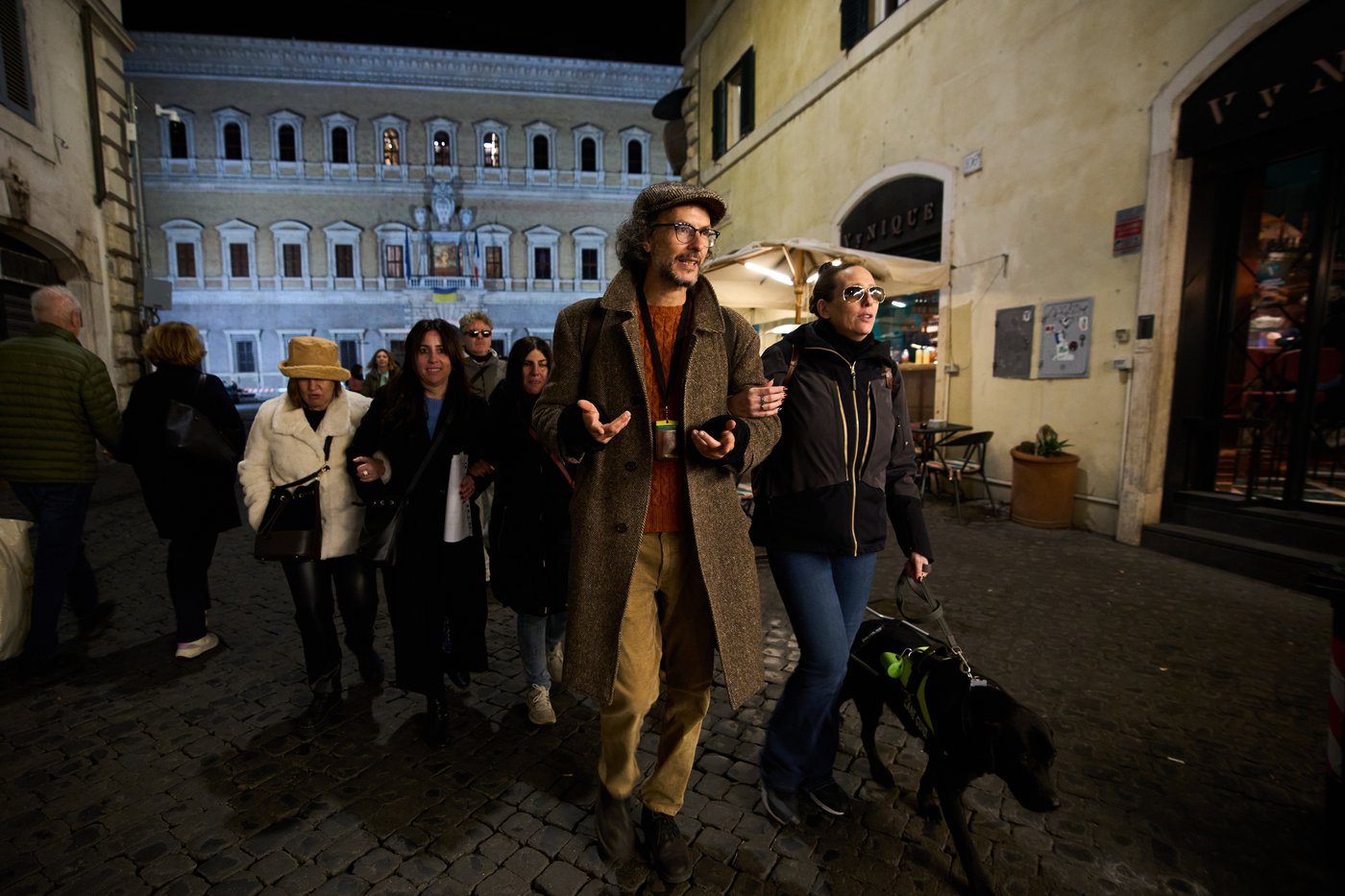
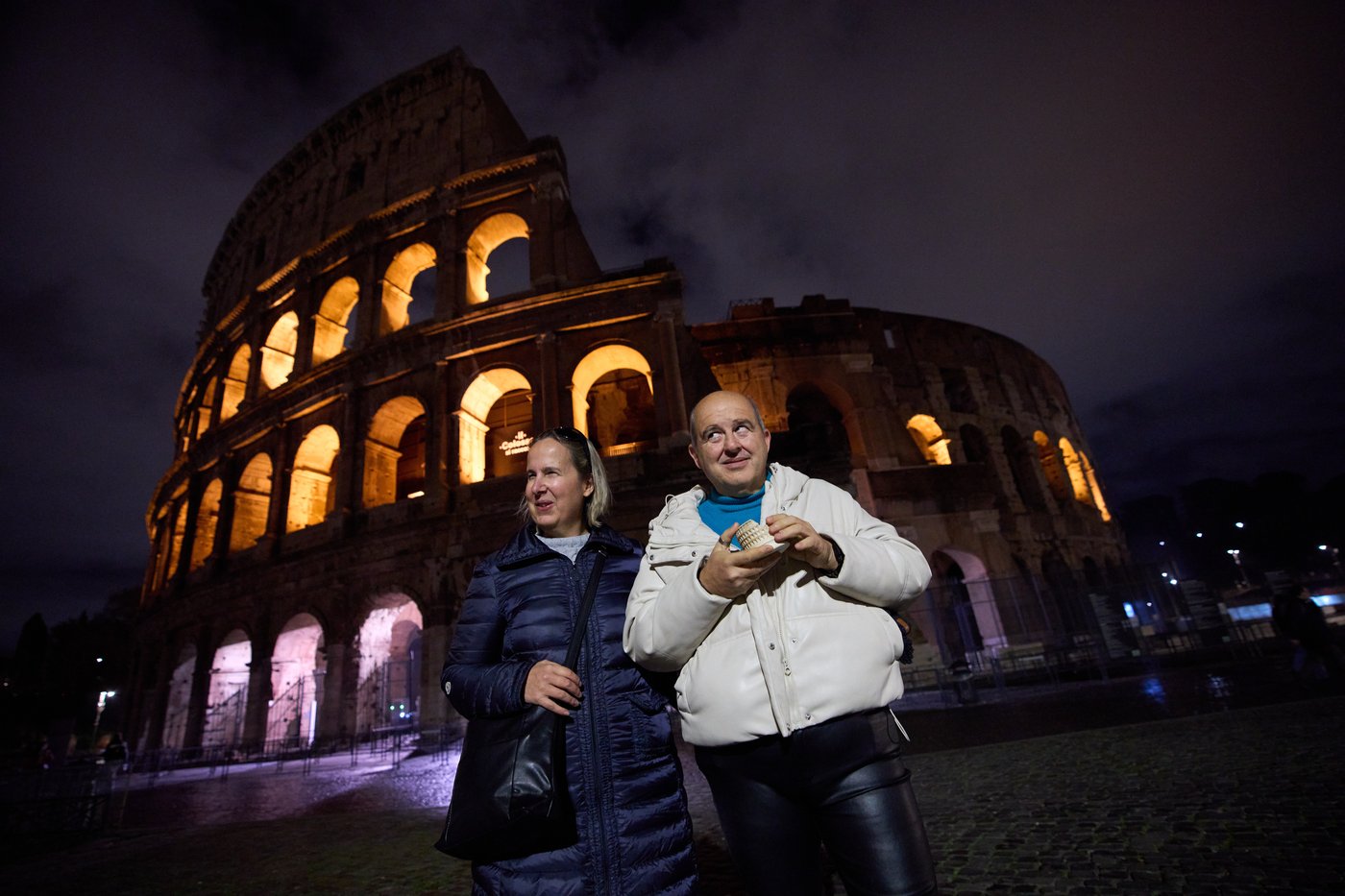
Stefania Terre, who is blind, touches a life-size reproduction of the head of Michelangelo’s David during a visit to the Omero Tactile Museum in Ancona, Italy, Thursday, Jan. 15, 2026. (AP Photo/Alessandra Tarantino)Stefania Terre, left, and Carmine Laezza, far right, both blind, touch a reproduction of St. Peter’s Basilica at the Omero Tactile Museum in Ancona, Italy, Thursday, Jan. 15, 2026. (AP Photo/Alessandra Tarantino)Stefania Terre, who is blind, touches a reproduction of St. Peter’s Basilica at the Omero Tactile Museum in Ancona, Italy, Thursday, Jan. 15, 2026. (AP Photo/Alessandra Tarantino)A light worn on the hands of Stefania Terre, who is blind, streaks across a life-size reproduction of Michelangelo’s La Pieta as she touches the sculpture while posing for a long-exposure photograph at the Omero Tactile Museum in Ancona, Italy, Thursday, Jan. 15, 2026. (AP Photo/Alessandra Tarantino)Blindfolded students of an art high school enter the pavilion of contemporary art for a project on tactile experience at the Omero Tactile Museum in Ancona, Italy, Friday, Jan. 16, 2026. (AP Photo/Alessandra Tarantino)A blindfolded student of an art high school touches a piece in the pavilion of contemporary art during a project on tactile experience at the Omero Tactile Museum in Ancona, Italy, Friday, Jan. 16, 2026. (AP Photo/Alessandra Tarantino)A painting transformed into bas-relief is on display at the laboratory of tactile education at the Omero Tactile Museum in Ancona, Italy, Friday, Jan. 16, 2026. (AP Photo/Alessandra Tarantino)Massimiliano Trubbiani, an expert in tactile education for blind and visually impaired people, works to transform Titian’s Pala Gozzi into bas-relief in a laboratory at the Omero Tactile Museum in Ancona, Italy, Friday, Jan. 16, 2026. (AP Photo/Alessandra Tarantino)Massimiliano Trubbiani, an expert in tactile education for blind and visually impaired people, works to transform Titian’s Pala Gozzi into bas-relief in a laboratory at the Omero Tactile Museum in Ancona, Italy, Friday, Jan. 16, 2026. (AP Photo/Alessandra Tarantino)Powder covers the hammers of Felice Tagliaferri, a blind sculptor, in his studio in Cesena, Italy, Friday, Jan. 16, 2026. (AP Photo/Alessandra Tarantino)Felice Tagliaferri, a blind sculptor, stands in his studio in Cesena, Italy, Friday, Jan. 16, 2026. (AP Photo/Alessandra Tarantino)Giorgio Guardi, center, a guide from the Radici Association, walks with participants during one of their inclusive art tours in central Rome, Nov. 29, 2025. (AP Photo/Alessandra Tarantino)Francesca Inglese, who is blind, touches a marble relief on the corner of a building during an inclusive art tour in downtown Rome, Nov. 29, 2025. (AP Photo/Alessandra Tarantino)Daria Portale, a guide with the Radici Association, uses a tactile panel so Enrico Sulli, right, who is blind, can experience the architecture of Palazzo Farnese during an inclusive art tour in downtown Rome, Nov. 29, 2025. (AP Photo/Alessandra Tarantino)Francesca Inglese, who is blind, uses a tactile panel to experience the architecture of Palazzo Farnese during an inclusive art tour in downtown Rome, Nov. 29, 2025. (AP Photo/Alessandra Tarantino)Elena Dominici, who is blind, touches the Cancelleria fountain during an inclusive art tour in downtown Rome, Nov. 29, 2025. (AP Photo/Alessandra Tarantino)Michela Marcato, who is blind, runs her fingers over a tactile panel during a visit to the Colosseum in Rome, Dec. 17, 2025. (AP Photo/Alessandra Tarantino)Michela Marcato, left, who is blind, and her partially sighted partner Massimiliano Naccarato examine a scale model of the Colosseum with Giorgio Guardi, right, a guide in inclusive tourism, in Rome, Dec. 17, 2025. (AP Photo/Alessandra Tarantino)Michela Marcato, left, who is blind, and her partially sighted partner Massimiliano Naccarato pose for a photo during a visit to the Colosseum in Rome, Wednesday, Dec. 17, 2025. (AP Photo/Alessandra Tarantino)
The Associated Press is an independent global news organization dedicated to factual reporting. Founded in 1846, AP today remains the most trusted source of fast, accurate, unbiased news in all formats and the essential provider of the technology and services vital to the news business. More than half the world’s population sees AP journalism every day.