Elevate your local knowledge
Sign up for the iNFOnews newsletter today!
Sign up for the iNFOnews newsletter today!
Selecting your primary region ensures you get the stories that matter to you first.
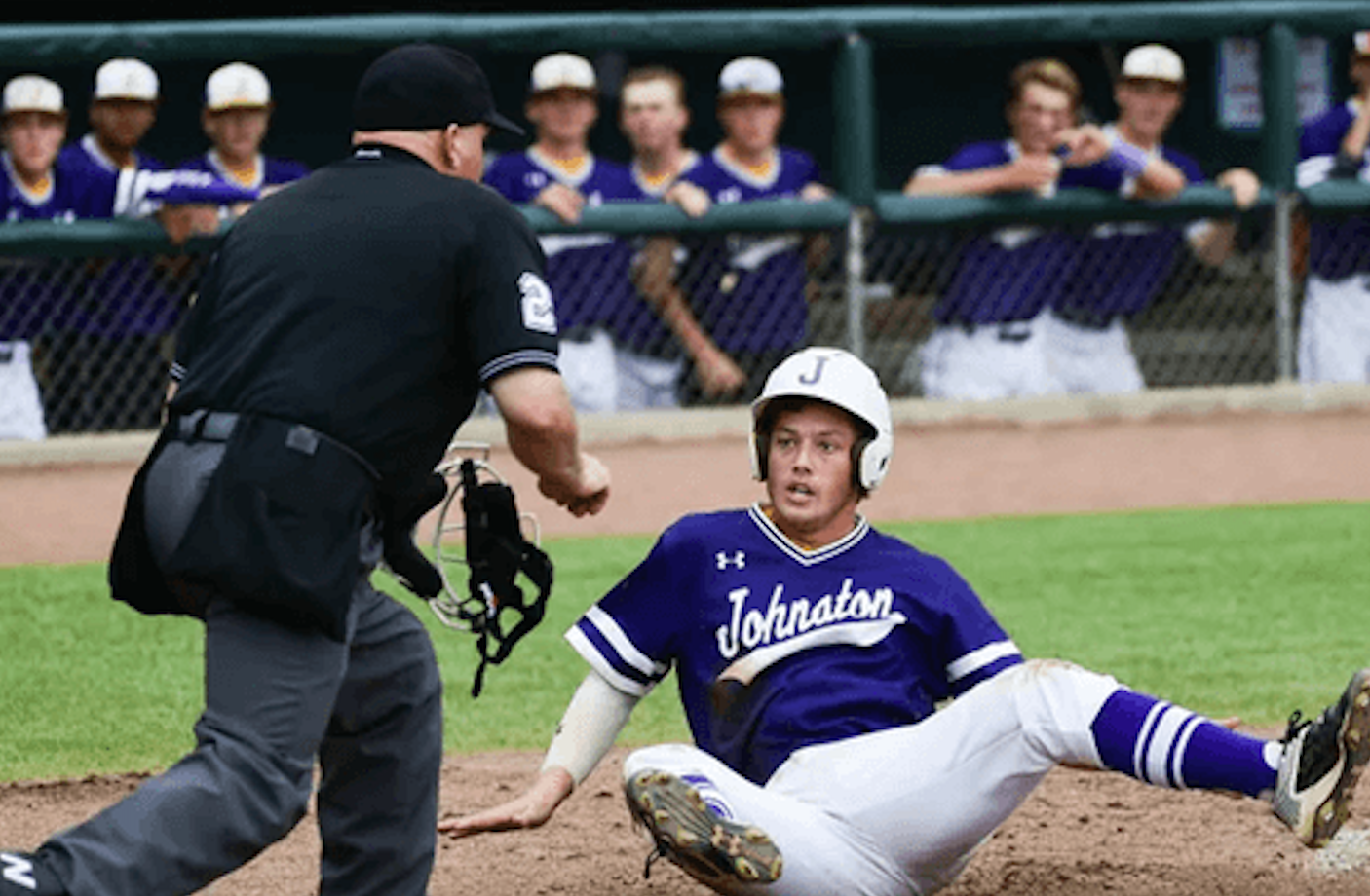
It’s baseball season again…at least in Florida. I umpire more than 100 baseball games in the United States and Canada…mostly high school and college. I umpired my first game 48 years ago…and I’ve seen a lot of changes over the years.
I’m not talking just changes in rules…though there certainly have been those. There are usually two or three new rules each year…mostly geared toward player safety and speeding up the game.
The changes I’m talking about are amorphous…and deal with the ways players, coaches and spectators play, manage and watch the game. Not everyone likes or even cares about baseball…at any level. That said, hundreds of millions worldwide love the game.
Going back decades, a lot of folks just didn’t like the way the game dragged on…it was boring and losing fans every year. Crowds going to Major League Baseball (MLB) games started declining about 15 years ago, but each of the past three years have brought out more fans to ballparks. More than 70 million fans went to MLB games last year…with even more fans watching games on television and streaming devices.
I asked a few high school and college baseball coaches whose careers spanned 25 years or longer, “What’s the difference between today’s players and those from 25 years ago?”
They all said that generally players today don’t know the game as well as two or three decades ago. Knowledge of rules and playing situations have declined. Players once knew not only their positions and its subtleties…but those of their teammates. I played high school baseball 60 years ago…and I believe that’s accurate.
Coaches said there’s more competition for players’ time today and most don’t have that almost intuitive feel for the game that once existed. It used to be that players who made high school teams had several years of experience…playing in Little League and Babe Ruth, for example. Coaches said their teams today have some players who are athletes, but who never played on a baseball team before.
Also, coaches said their teams’ fans – mostly parents and grandparents – have changed dramatically over the years. Parents don’t just support their kids and their teams, they have become critics and “unofficial coaches”. The problem is that they often don’t know the rules…and they tend to be “very involved” in their children’s “careers”, mirroring the “helicopter parenting” trend.
Parents sometimes go to extremes…entering dugouts to “check” on their son or constantly advising them on how they should play…in high school. And while heckling has long been a part of baseball, today it’s more abusive…to players, coaches and umpires.
Last season in Florida, I had to warn game administrators – usually a coach, athletic director or principal – in three separate games that a parent must leave the area for abusive behaviour…or the team would forfeit the game.
Coaches said the growth of “travel ball” teams in the last 20 years has undermined high school baseball. The rules are different…not just a little…but a lot. As an umpire, I often hear players and spectators, even some coaches say, “We can do that in travel ball.”
One of the biggest problems facing high school baseball – not just in Florida but across America – is finding enough experienced umpires for all the games. Last season, I umpired 63 games in 60 days.
Recruiting new, young umpires is a challenge. The pay for a game in Florida is $99. But unless you travel more than 50 miles one-way to a game…you don’t get the $10 mileage allowance.
But the threats of not just verbal abuse, but physical assault, have seen more than 50,000 umpires “retire” in the last seven years across America. While Florida is one of only four states that doesn’t allow “open carry” of firearms…concealed handguns are a reality…especially in rural areas.
I know umpires who have been hit and kicked, harassed trying to leave the field, and even chased out of town by spectators in vehicles. So, I understand the reluctance of new umpires to undertake the time, effort and expense to become an umpire.
So, why – after all this – am I umpiring baseball after 48 years…at nearly 76 years old? Well, with all its faults and changes, stepping behind the plate to umpire my first game of the 2026 baseball season in Florida last week proved irresistible…once again.
I committed long ago to be the best umpire I could be…know the rules so well you can quote them. Then, make the best calls possible…every ball, every strike, every safe or out, every fair or foul ball, every interference or obstruction, every catch or no-catch, every balk. I’m human and make mistakes…but I’m right more than wrong.
Of course, there’s more to being a good umpire. A good umpire isn’t a robot. You’re dealing with other folks…lots of other folks…with lots of personalities and temperaments. You need to know how to de-escalate a situation. You need the confidence in your knowledge and experience…but not so much that your ego gets in the way of the game.
It’s the game – with all its faults – that matters most. It was here long before I called my first game…and it will be here long after my final game. I tried to learn from the best of those who came before me, and I hope to leave the game in good hands for those who follow me.
Meanwhile, as you read this I’m probably umpiring…I have eight games this week.
News from © iNFOnews.ca, . All rights reserved.
This material may not be published, broadcast, rewritten or redistributed.

This site is protected by reCAPTCHA and the Google Privacy Policy and Terms of Service apply.
Want to share your thoughts, add context, or connect with others in your community?
You must be logged in to post a comment.













One response
Yup, as I read this he’s umping a game. 😆