Elevate your local knowledge
Sign up for the iNFOnews newsletter today!
Elevate your local knowledge
Sign up for the iNFOnews newsletter today!
Select Region
Selecting your primary region ensures you get the stories that matter to you first.
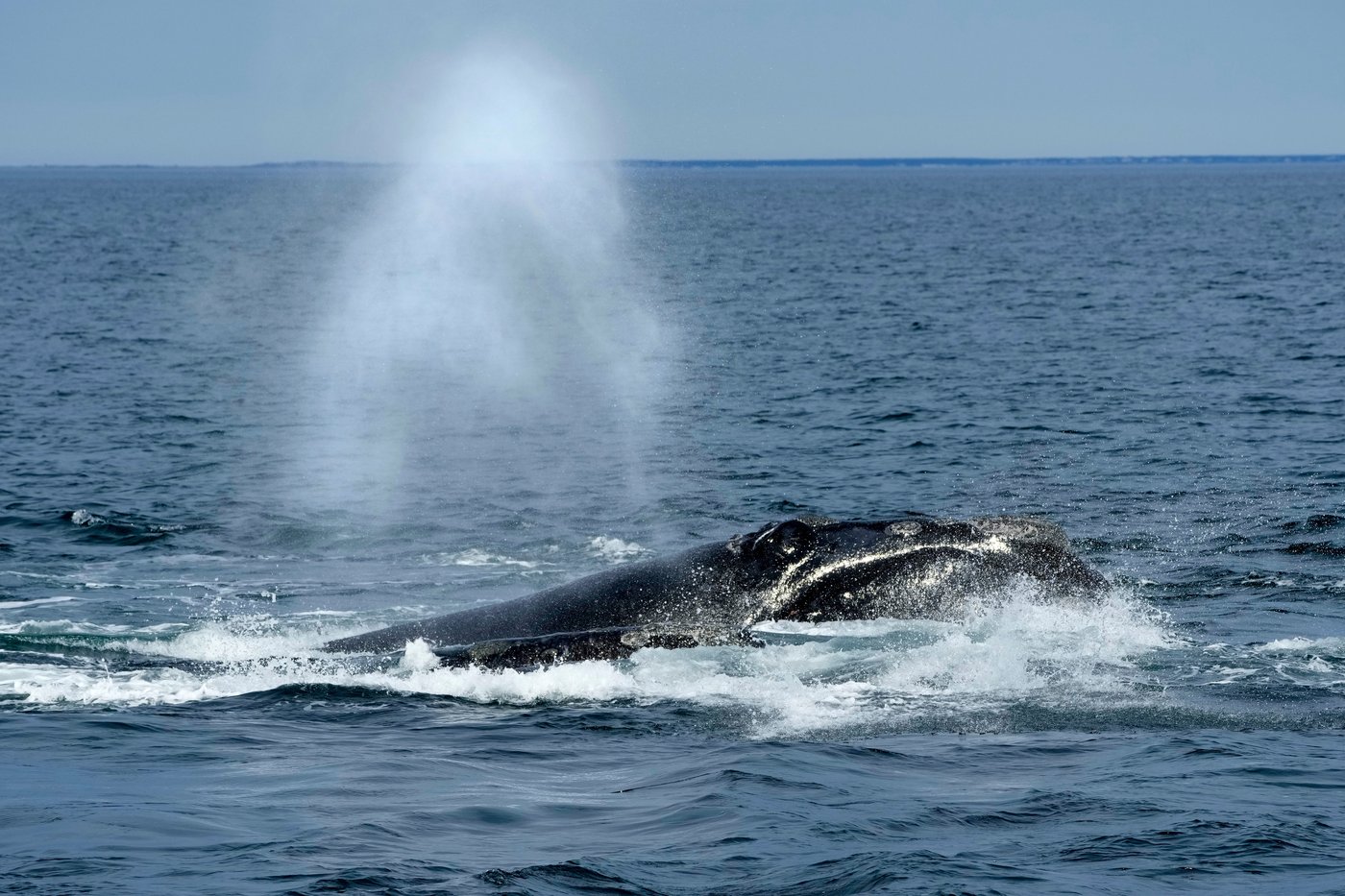
PORTLAND, Maine (AP) — The U.S.’s ocean regulator plans to make industry-friendly changes to a longstanding rule designed to protect vanishing whales, prompting criticism from environmental groups who cite the recent death of an endangered whale.
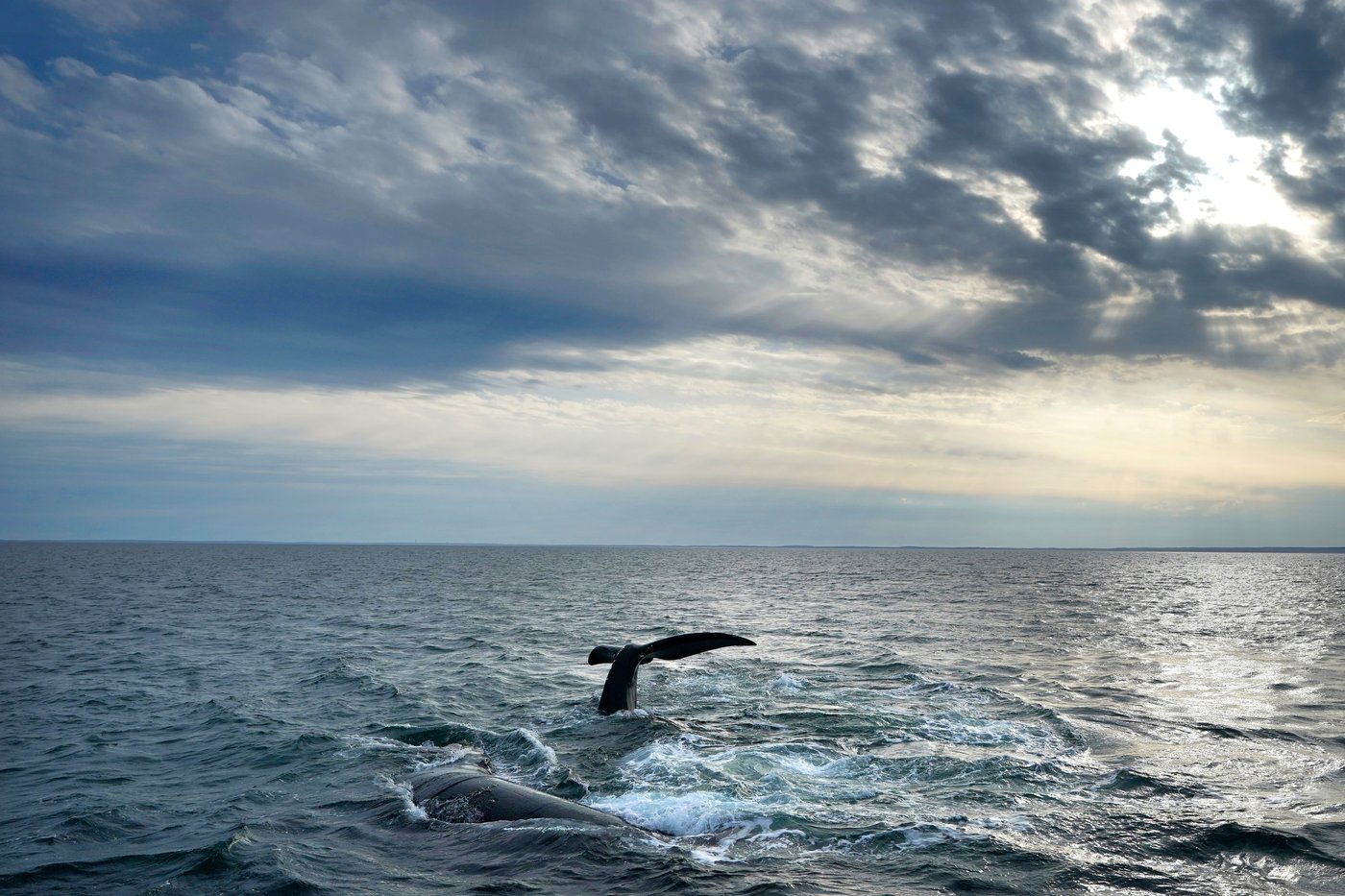
The rules protect the North Atlantic right whale, which numbers less than 400 and lives off the East Coast. The giant animals are protected by a vessel speed rule that requires large ships to slow down at certain times to avoid collisions, which is a leading cause of death for the whales.
The National Oceanic and Atmospheric Administration said in a Thursday statement to The Associated Press that it plans to soon announce proposed new rules designed to “modernize” the whale protections. The proposal will be a “deregulatory-focused action” that will seek to “reduce unnecessary regulatory and economic burdens while ensuring responsible conservation practices for endangered North Atlantic right whales,” the statement said.
A notice of rulemaking about the right whale rules is listed on the U.S. Office of Information and Regulatory Affairs website, but it does not include any details about the proposal. NOAA said in its statement that more information about the rules was forthcoming and that the agency was focused on “implementing new technologies, engineering approaches, and other advanced tools” to protect the whales.
Several environmental groups criticized the move away from vessel speed rules. Some cited the Feb. 10 confirmation of the death of a 3-year-old female whale off Virginia. The cause of the animal’s death was not yet determined, but it died at a far younger age than typical.
“Another female right whale — the future of this species — has lost her life. We urgently need more right whale protections, not fewer. The Trump administration’s apparent determination to weaken the vessel speed rule could not come at a worse time,” said Jane Davenport, senior attorney at conservation group Defenders of Wildlife.
Right whales migrate every year from calving grounds off Florida and Georgia to feeding grounds off New England and Canada. Along the way, they are vulnerable to collisions with ships and entanglement in commercial fishing gear. They were once numerous off the East Coast but were decimated during the commercial whaling era and have been federally protected for decades.
The Biden administration planned to expand slow zones off the East Coast to protect the whales. It also planned to expand the classes of boats required to slow down. However, the federal government withdrew the proposal in the final days of the administration, with officials saying it didn’t have time to finalize the regulations due to the scope and volume of public comments.
Some shipping businesses and other marine industries have long pushed back at vessel speed rules. The National Marine Manufacturers Association has described speed restrictions as “archaic” and advocated for solutions that rely on technology.
News from © The Associated Press, . All rights reserved.
This material may not be published, broadcast, rewritten or redistributed.

This site is protected by reCAPTCHA and the Google Privacy Policy and Terms of Service apply.
Want to share your thoughts, add context, or connect with others in your community?
You must be logged in to post a comment.