Elevate your local knowledge
Sign up for the iNFOnews newsletter today!
Sign up for the iNFOnews newsletter today!
Selecting your primary region ensures you get the stories that matter to you first.
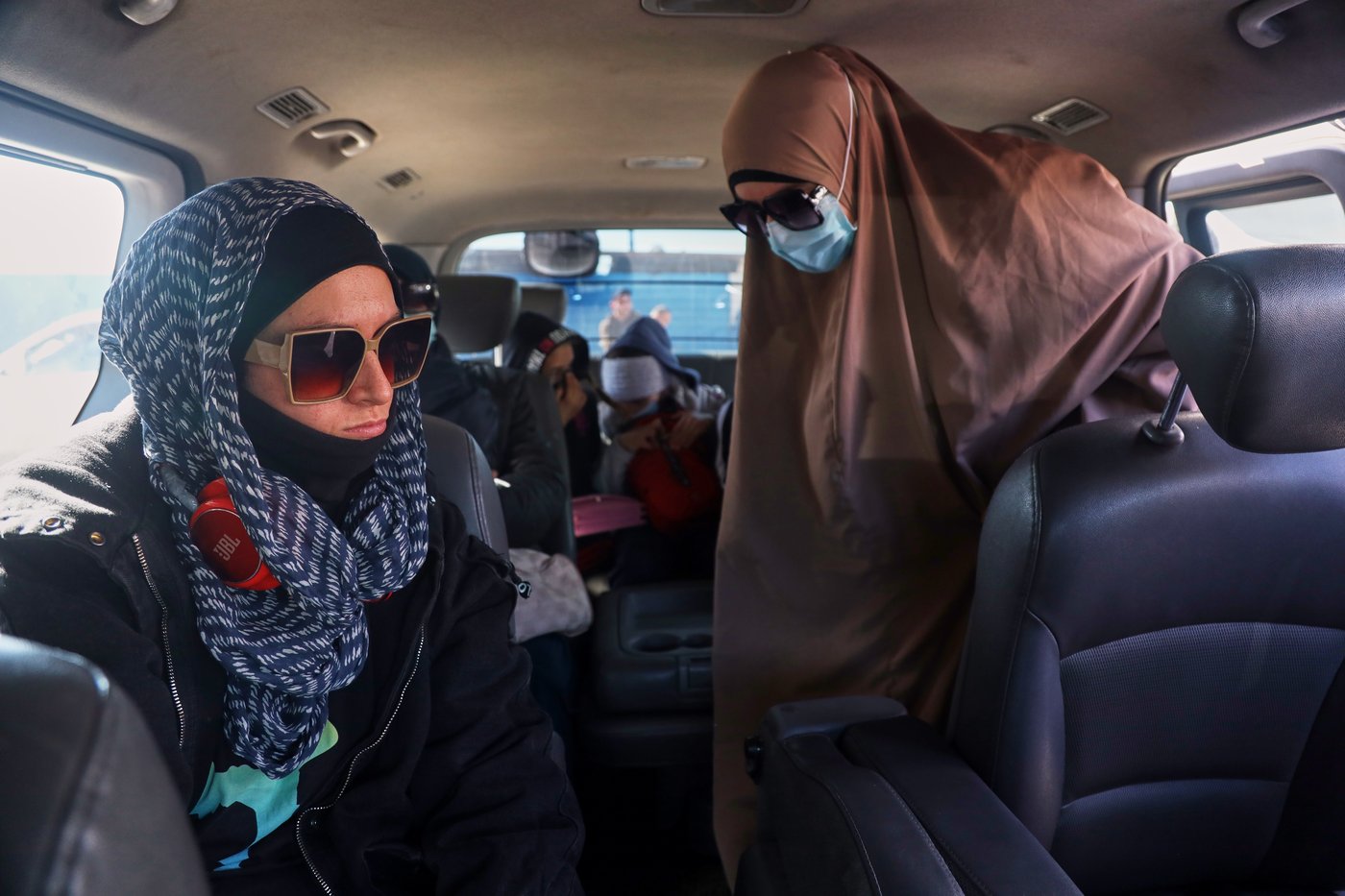
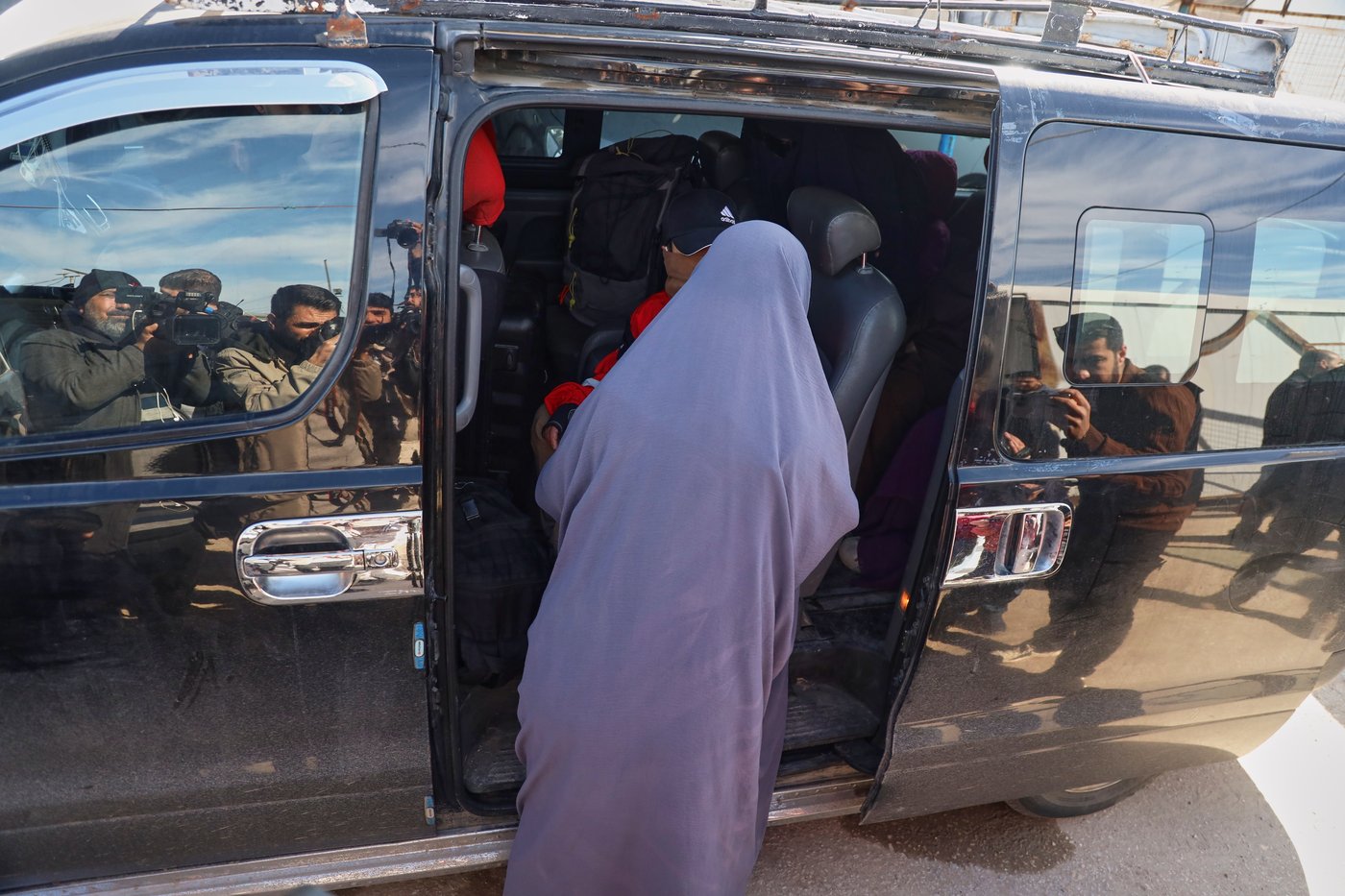
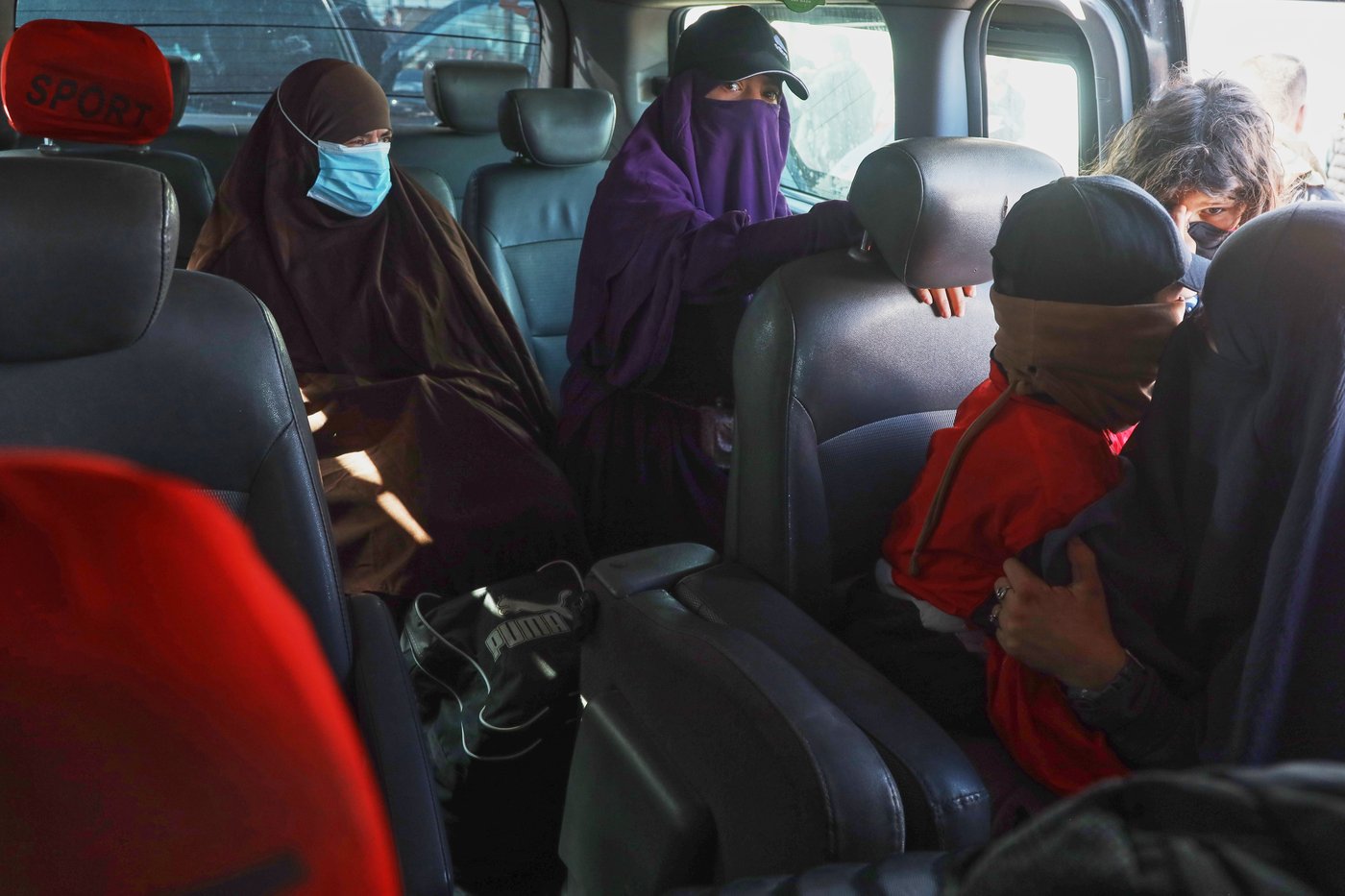
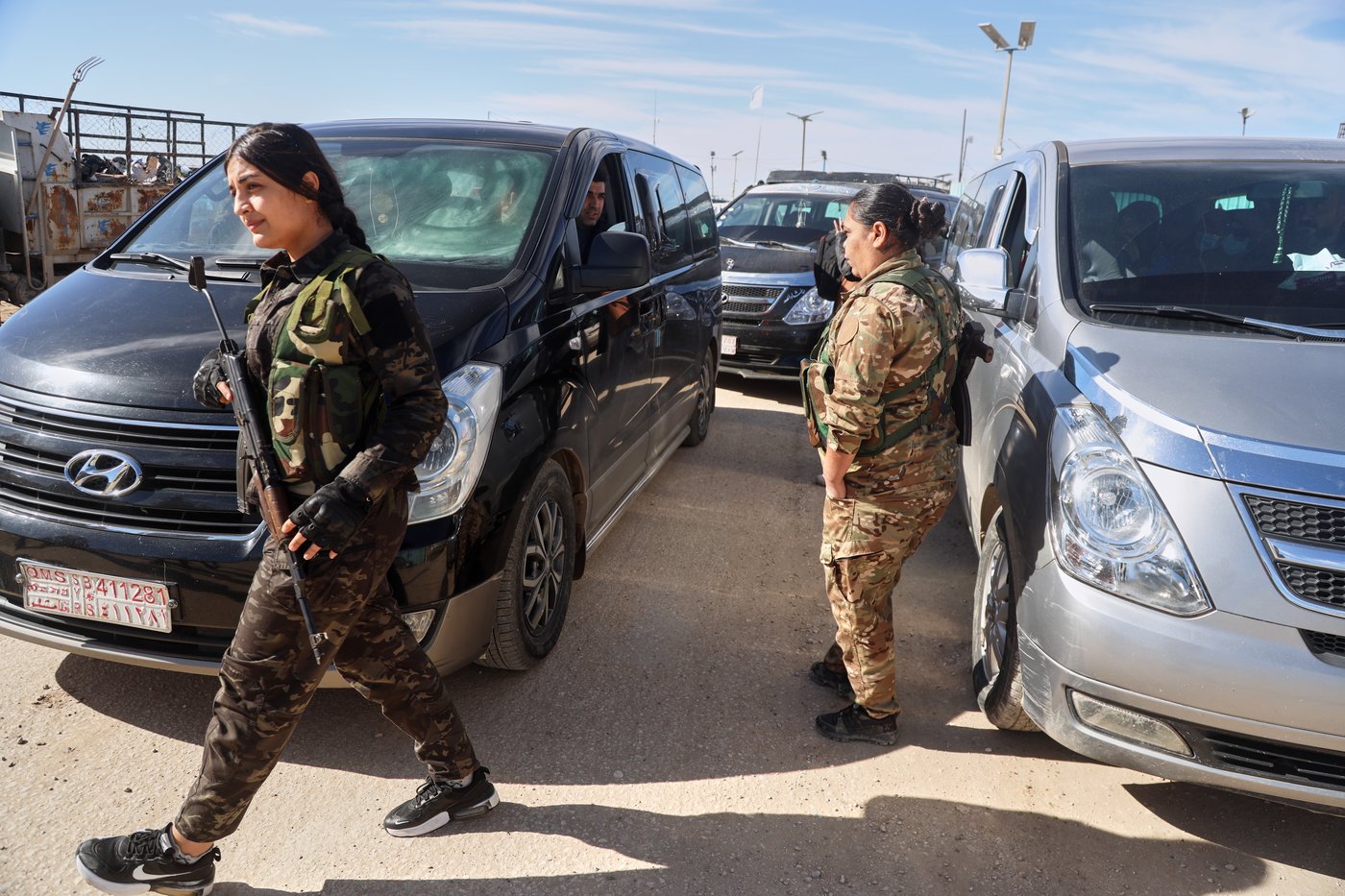
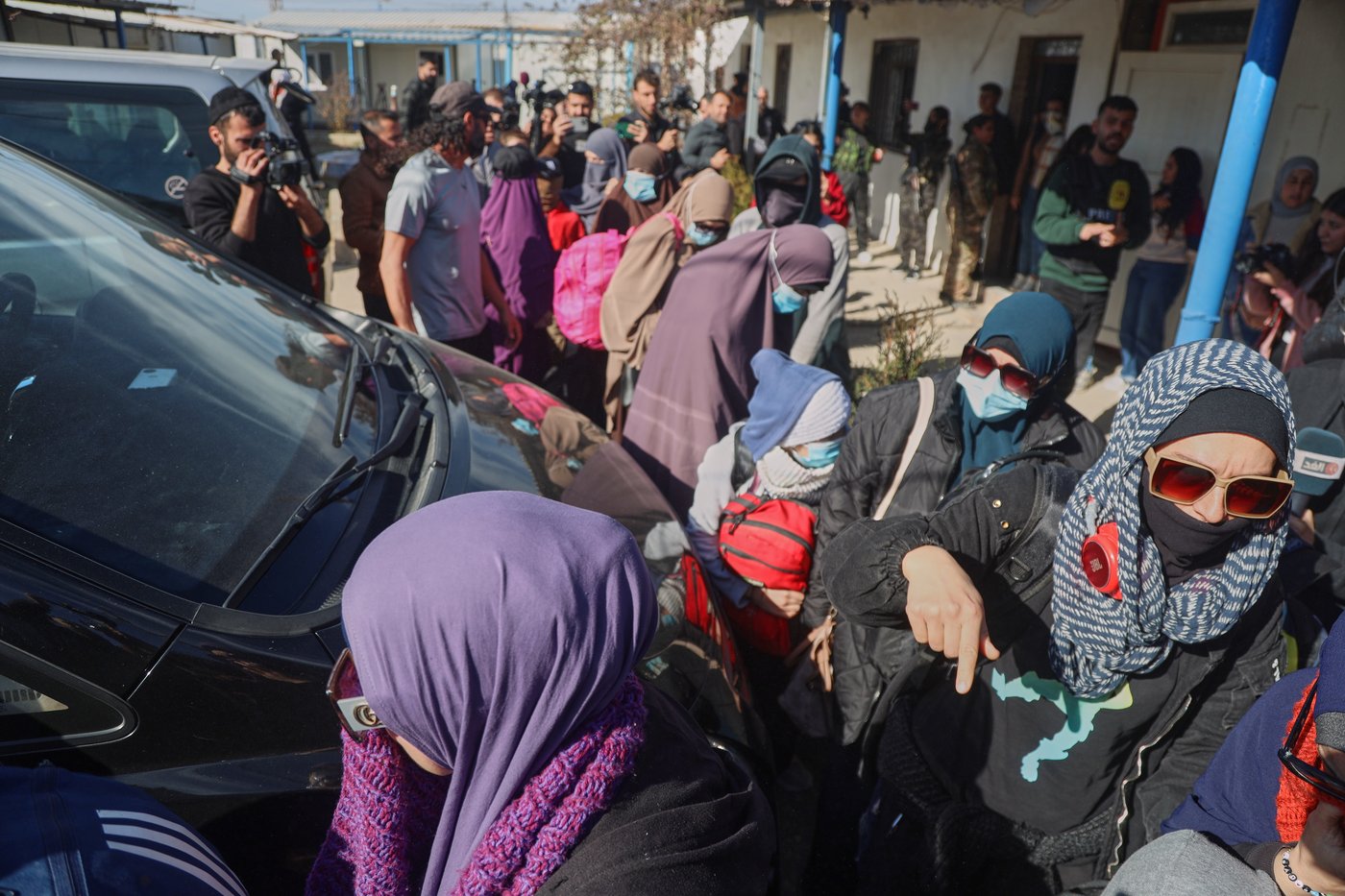
ROJ CAMP, Syria (AP) — Syrian authorities turned back a group of Australian women and children on Monday after they left a camp in Syria housing people with alleged ties to Islamic State militants in an attempt to head back to their home country.
It was not clear if or when they would be able to complete their journey.
The 34 women and children from 11 families were supposed to make their way from Roj camp to the Syrian capital, Damascus, and then fly to Australia. Relatives of the returnees had been coordinating with Syrian authorities and had traveled from Australia to accompany them, camp officials said.
Rashid Omar, an administrator at the camp, said about an hour after departing the remote camp near the border with Iraq, the families were contacted by officials in Damascus who told them that the procedures for their departure were not complete and that they would not be able to travel. The families then returned to the camp.
Hakmiyeh Ibrahim, the camp’s director, said the planned repatriations were organized by family members of the returnees rather than directly by Australian authorities.
Australian officials could not be immediately reached for comment.
Roj camp houses about 2,200 people from around 50 nationalities, mostly women and children, who have supposed links to the extremist group. Most in the camp are not technically prisoners and have not been accused of a crime, but they have, in effect, been detained in the heavily guarded camp, controlled by the Kurdish-led Syrian Democratic Forces.
The most well-known resident of the Roj camp, Shamima Begum, was 15 when she and two other girls fled from London in 2015 to marry IS fighters in Syria. Begum married a Dutch man fighting for IS and had three children, who all died. She recently lost an appeal against the British government’s decision to revoke her U.K. citizenship.
The fate of the Roj camp and the similar but larger al-Hol camp has been a matter of debate for years. Human rights groups have cited poor living conditions and pervasive violence in the camps, but many countries have been reluctant to take back their citizens who are detained there.
Monday’s repatriation, if completed, would have been the first this year. Ibrahim, the camp director, said 16 families were repatriated last year, including German, British and French nationals. In 2022, three Australian families were repatriated.
Government forces took control of al-Hol camp last month amid fighting with the SDF that led to state forces seizing most of the territory in northeast Syria previously controlled by the Kurdish forces.
The U.N. refugee agency said Sunday that a large number of residents of al-Hol camp have left and that the Syrian government plans to relocate those who remain.
Separately, thousands of accused IS militants who were held in detention centers in northeastern Syria have been transferred to Iraq by the U.S. military to stand trial there.
News from © The Associated Press, . All rights reserved.
This material may not be published, broadcast, rewritten or redistributed.

This site is protected by reCAPTCHA and the Google Privacy Policy and Terms of Service apply.
Want to share your thoughts, add context, or connect with others in your community?
You must be logged in to post a comment.