Elevate your local knowledge
Sign up for the iNFOnews newsletter today!
Sign up for the iNFOnews newsletter today!
Selecting your primary region ensures you get the stories that matter to you first.
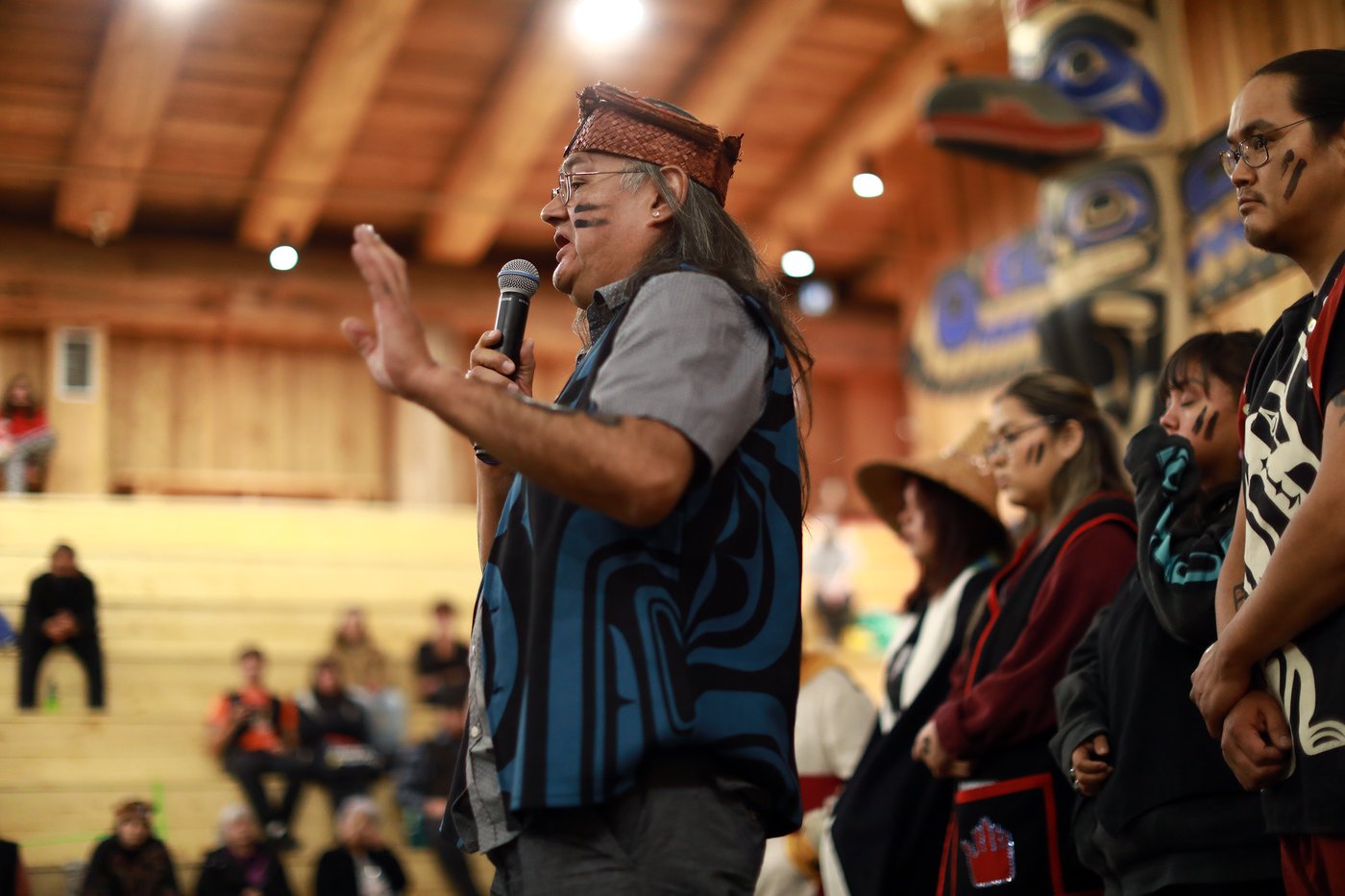
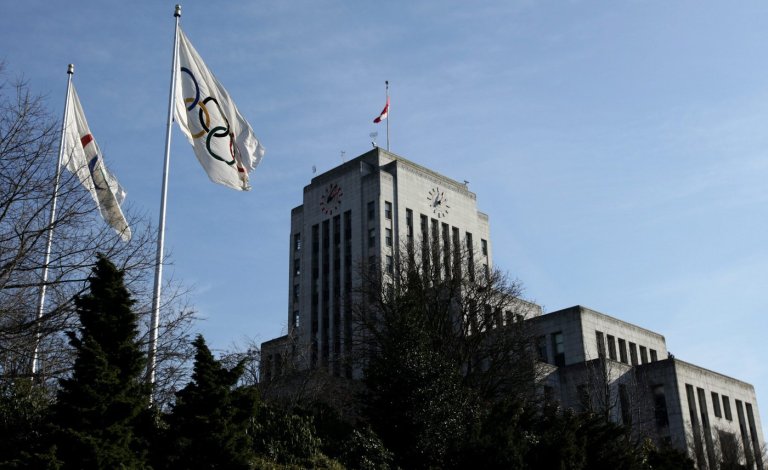
VANCOUVER — A man who was handcuffed by police along with his 12-year-old granddaughter after being falsely accused of trying to use a fake status card to open a bank account in 2019 says the Vancouver Police Board and the officers involved have shown they don’t respect his First Nation’s culture.
Maxwell Johnson said in statement Tuesday that he’s “deeply saddened” that the police board and the constables involved haven’t made their “best efforts” to attend a ceremony to offer an in-person apology for their wrongful detention.
British Columbia’s human rights commissioner released a final review Tuesday, outlining details of a settlement agreement between the board, Johnson and the Heiltsuk Nation.
The commissioner’s report said a lack of collaboration between the Vancouver Police Board, the Heiltsuk Tribal Council and the Union of British Columbia Indian Chiefs is hampering progress to end anti-Indigenous racism in policing.
The settlement was reached years after the handcuffing of Johnson and his granddaughter after a manager at a Vancouver Bank of Montreal reported them to police for trying to open an account with a fraudulent status card.
Johnson and his granddaughter were arrested, handcuffed and detained in December 2019 by Vancouver police constables Canon Wong and Mitchel Tong, who spoke to the bank manager for “approximately one minute” before they took Johnson and the child outside the bank and detained them, the report said.
Johnson and his granddaughter launched a human rights complaint against the Vancouver Police Board, which was settled in 2022.
But the B.C. Office of the Human Rights Commissioner said the settlement included requirements for “collaborative action” between the board, the Heiltsuk Tribal Council and the Union of British Columbia Indian Chiefs to fix systemic issues of anti-Indigenous racism in policing.
The officers involved were invited but didn’t attended an in-person “washing ceremony,” and the chief of the Heiltsuk Nation and Johnson said Tuesday that the police board has not made its “best efforts” to ensure they attend.
“The settlement was supposed to be a way forward for me and my family, but instead the board and the constables have shown they don’t respect our culture,” Johnson said in the statement. “I’ve been trying for years to get the constables to come to a washing ceremony. I’m deeply saddened the board hasn’t shown their efforts, even though that’s one of their obligations under the settlement agreement.”
Heiltsuk Nation Chief Marilyn Slett said the commissioner’s report confirms that the nation’s relationship with the police board “has broken down, stalling critical anti-racist policing reform work.”
“As noted in today’s report, anti-racist processes are just as important as anti-racist outcomes to systems change, and until Heiltsuk law, including the requirement that the constables participate in a washing ceremony, is respected, we cannot in good faith, move forward on the other areas of the agreement,” she said on Tuesday.
The report said the ceremony is part of the Heiltsuk’s legal and cultural traditions, and the officers’ participation was a “crucial precondition” to the collaborative work detailed in the settlement agreement that was reached in 2022.
The settlement was reached on the basis of so-called “legal pluralism,” balancing Heiltsuk law with B.C. law, but the officers failing to attend the ceremony “derailed” the parties from co-operating as agreed, the commissioner’s report said.
It says the parties are at an “impasse,” and while the board appears to have worked to improve police training on anti-Indigenous racism and cultural competency, it has not improved training on status cards or “anti-racist responses” to such calls.
The handcuffing incident is also the subject of ongoing proceedings ordered by B.C.’s police complaint commissioner, who appointed retired judge Wally Oppal to review evidence in the case last month.
The commissioner appointed Oppal to determine if Wong and Tong should be required to provide an oral apology “consistent with Indigenous law,” after they were found to have committed misconduct and were ordered by a retired judge in March 2022 to provide oral apologies. Instead, they wrote their apologies.
Slett said in an earlier statement that the officers backed out of a ceremony in Bella Bella, B.C., in 2022, but the president of the Vancouver Police Union at the time said the constables were not able to attend for personal reasons.
The Vancouver Police Board did not immediately respond to a request for comment on the human rights commissioner’s final review.
This report by The Canadian Press was first published Feb. 24, 2026.
News from © The Canadian Press, . All rights reserved.
This material may not be published, broadcast, rewritten or redistributed.

This site is protected by reCAPTCHA and the Google Privacy Policy and Terms of Service apply.
Want to share your thoughts, add context, or connect with others in your community?
You must be logged in to post a comment.